
Listening beside a sleeping roommate
You mainly want to stop the other person hearing both quiet and loud orchestral passages. Sound leakage and a good seal matter more here than an open-back design.


If your roommate is sitting nearby or asleep, closed-back headphones are usually a more sensible starting point than an open-back pair, as open-back headphones let more sound escape. Choose ANC if noise in the room drowns out quieter passages, but assess sound leakage separately: noise cancellation for you doesn’t automatically mean your roommate won’t hear the music. Fit, connection and any need for a battery are all important considerations.
You mainly want to stop the other person hearing both quiet and loud orchestral passages. Sound leakage and a good seal matter more here than an open-back design.
You want to follow quieter passages while someone else in the house is talking or making other noise, without constantly turning up the volume. Passive isolation and ANC are both worth considering.
You listen to whole works and care about sound, comfort and compatibility with your audio source. In a shared room, you should also consider potential sound leakage.
Choose this if: you mainly want to keep your music to yourself and usually listen in one place.
Bear in mind: the fit affects how well the seal works; also check that the plug fits your playback device.
Choose this if: conversations or other changing noises in the room distract you during quieter passages.
Bear in mind: ANC requires battery management and doesn’t, by itself, tell you how much music your roommate will hear.
Choose this if: the room is quiet and your roommate won’t be disturbed by hearing your music.
Bear in mind: open-back headphones generally let more sound out and more noise in than closed-back models, according to RTINGS.
| What to consider | What to look for when buying | Who is this important for? |
|---|---|---|
| Sound leakage | Compare how much sound different models leak and check the seal around the ear cushions; results can vary between models and depending on fit. | If I’m listening beside someone who’s asleep, I want to stop them hearing my music. Around 36% of consumers prioritise limiting sound leakage. |
| Noise in the room | Compare passive isolation and ANC; for wireless models, also check the battery life with ANC switched on. | When conversations drown out quieter passages, I want fewer distractions without constantly turning up the volume. Around 29% of consumers prioritise blocking out noise in the room. |
| Orchestral sound | If possible, listen to familiar recordings on your own device; don’t treat a claim about spatial sound as an independent comparison. | If the instruments and sense of space matter to me, I want to assess the sound for myself, while taking the limitations of a shared room into account. Around 21% of consumers prioritise orchestral sound. |
| Comfort and connection | Check the fit, cable and plug; if you listen wirelessly, check the battery life for the mode you plan to use. | For long listening sessions, I want headphones that feel comfortable and connect to my playback device. Around 14% of consumers prioritise comfort and connectivity. |
ANC targets the noise you hear; your roommate may still hear the music.
Assess sound leakage and isolation separately, and look for reviews of the specific model where possible.
Open-back ear cups generally let more music out and more outside noise in than closed-back ear cups.
Save open-back headphones for times when the other person won’t be disturbed; otherwise, look at closed-back models first.
A frequency range alone won’t tell you how an orchestral recording will sound, and connections vary between models and versions.
Check the full model name and connection. If possible, listen to familiar recordings using your own audio source.
Offers both closed-back, wired models such as the HD 620S and the open-back, wired HD 560S.
The closed-back WH-1000XM5 combines wireless listening and ANC for anyone looking to reduce noise in the room.
The 80-ohm version of the DT 770 PRO is an example of a closed-back, wired studio headphone.
The closed-back, wired ATH-M50x is an option for listening without relying on a battery.
The closed-back, wired FT1 is a model to include when comparing passive isolation.
This selection focuses on closed-back over-ear headphones with noise cancellation, for anyone looking to reduce noise in the room while listening. Assess sound leakage to your roommate separately.
 No image available
An option for anyone who wants to listen wirelessly and is looking for active noise cancellation; ANC won’t automatically stop music leaking to your roommate.
The product information lists Bluetooth, a 3.5mm cable and up to 60 hours of playback.
 No image available
A good fit for anyone looking for closed-back headphones with active noise cancellation to reduce noise in the room; check sound leakage separately too.
The product information lists Bluetooth and an audio cable for use without a battery.
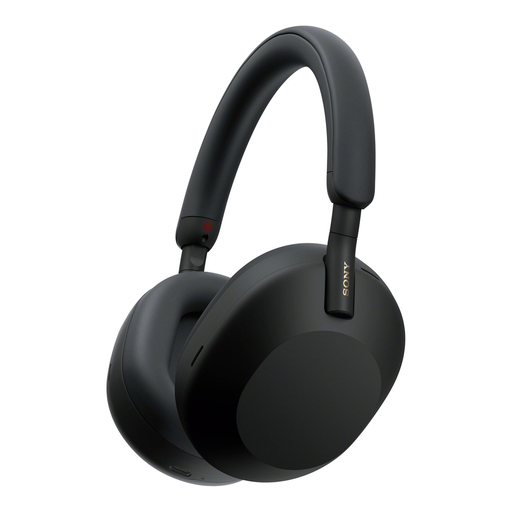 No image available
A closed-back wireless model with active noise cancellation to help reduce distractions from noise in the room; this doesn’t tell you how much sound your roommate will hear.
Sony lists up to 30 hours of music playback with ANC on and a passive cable mode.
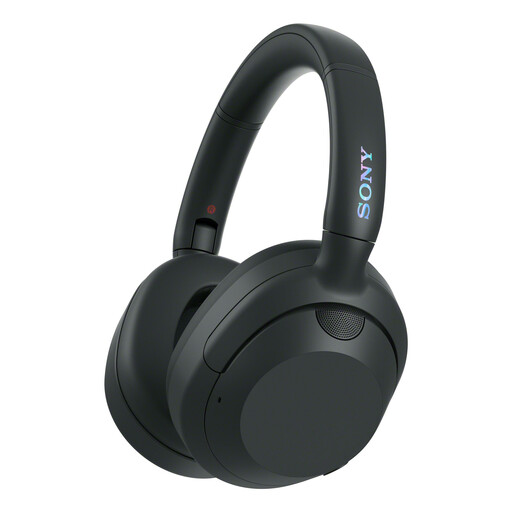 No image available
Worth considering if you’re looking for closed-back over-ear headphones with active noise cancellation; assess leakage to your roommate separately.
The product information lists Bluetooth and a detachable cable.
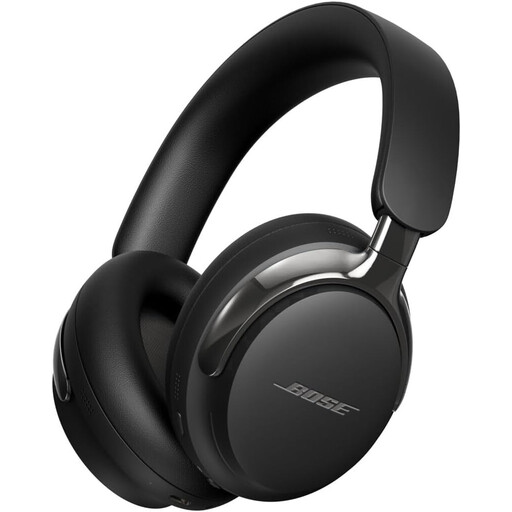 No image available
A good fit for anyone looking to combine active noise cancellation with wireless and wired listening; ANC doesn’t guarantee that your roommate won’t hear the music.
The product information lists Bluetooth 5.4 and a detachable cable with USB-C and 3.5mm connections. No charger is included; the description specifies a 1.8 W to 2.5 W charger and states that PD fast charging isn’t supported.
No. Also assess how much music leaks out. Closed-back headphones generally leak less than open-back models, but it varies from one model to another.
First check the output on your playback device and the plug or adapter included. Audio-Technica lists cables and a 6.3mm adapter with the ATH-M50x; beyerdynamic lists a 3.5mm plug with a 6.35mm adapter for the DT 770 PRO 80 ohm. Don’t assume every phone has a compatible connection.
Keep the volume low and take breaks. The World Health Organization gives an average of 80 dB for up to 40 hours per week as an example, and recommends well-fitting or noise-cancelling headphones to reduce the temptation to listen at higher volumes in noisy environments. This isn’t a guaranteed safe setting for every user.
No. According to ACM ConsuWijzer, your statutory guarantee is separate from any manufacturer’s guarantee: when used normally, a product must meet what you could reasonably expect. There’s no fixed statutory guarantee period of exactly two years in the Netherlands; if something is faulty, contact the retailer.
For many online purchases from a business, the Dutch government says you have a 14-day cooling-off period. Check the applicable returns terms and any exceptions; the statutory cooling-off period and any more generous store policy are not the same thing.