
Listening around other library users
You want to avoid anyone sitting nearby hearing your music. Well-fitting, closed-back headphones are a sensible place to start; check for sound leakage at your own listening volume.


In a quiet library, start with well-fitting, closed-back headphones. At your normal, moderate volume, check whether anyone sitting next to you can hear your music. Wired listening means you don't have to charge a battery; wireless noise cancelling can help reduce the noise you hear, but it won't tell you whether your music is leaking out.
You want to avoid anyone sitting nearby hearing your music. Well-fitting, closed-back headphones are a sensible place to start; check for sound leakage at your own listening volume.
You want to follow quiet passages and individual instruments at a modest volume. Compare familiar recordings yourself, rather than treating manufacturers' descriptions of the sound as independent listening test results.
You wear your headphones for extended periods, so pay particular attention to pressure around your ears and from the headband, compatibility with your playback device and, if you choose wireless, charging.
Choose these if: you want to disturb other library users as little as possible, have a compatible audio output and don't want to manage a battery.
Bear in mind: the connection, impedance and fit; a closed-back design doesn't guarantee that no sound will leak out.
Choose these if: you also want to reduce background noise or prefer listening without a cable.
Bear in mind: ANC is designed to reduce the noise you hear, not to assess sound leakage for other people; wireless listening means you need to charge the headphones.
Choose these if: you don't mind sound being audible to others where you listen.
Bear in mind: check in advance whether sound leaking out is acceptable in a shared, quiet space.
First decide which need matters most to you. Then check the fit, listening experience and connection in your own circumstances.
| Consideration | What to look for | Who is this important for? |
|---|---|---|
| Sound leakage | Check the closed-back design, how the headphones fit around your ears and whether your music can be heard from nearby at your usual volume. | When I listen in a quiet reading room, I want to avoid other visitors hearing my music. Around 36% of consumers put low sound leakage first. |
| Orchestral sound | Compare the same familiar recording at a similar, moderate volume, paying attention to quiet passages and busier orchestral sections. | When I listen to an orchestral recording, I want to be able to follow quiet passages and individual instruments. Around 29% of consumers give orchestral sound their highest priority. |
| Comfort | If possible, wear the headphones for an extended period; also check for pressure when wearing glasses and whether the ear cushions can be replaced. | When I listen for a long time, I don't want uncomfortable pressure around my ears or head. Around 21% of consumers put long-lasting comfort first. |
| Connection and use | Check the output on your phone or laptop, the cable and the exact model version; if you choose wireless, remember that it needs charging. | If I want to listen without connection problems or interruptions, the headphones need to suit my device and how I use them. Around 14% of consumers give connection and ease of use their highest priority. |
Noise cancelling reduces the background noise you hear; it doesn't tell you whether people sitting nearby can hear your music.
Check the fit and, if possible, ask someone sitting a short distance away to listen while you play music at your normal volume.
Sound that carries outside the headphones can disturb other visitors in a quiet reading room.
Save open-back headphones for somewhere that sound leakage won't be a problem, and check out closed-back options first for library use.
The beyerdynamic DT 770 PRO is available in 32, 80 and 250 ohm versions. Check which version you're choosing and whether it suits your device's output.
Make a note of the full version name and check the plug and achievable volume with your own audio source before buying.
You may need a compatible connection or another suitable audio source.
The wired, closed-back HD 620S is worth considering if you're looking for an expansive orchestral sound in a shared space.
The closed-back, wired DT 770 PRO is an option if replaceable ear cushions and a choice of impedance versions matter to you.
The closed-back WH-1000XM6 is a wireless ANC option if you also want to reduce background noise.
The Tour One M3 is a wireless over-ear option with ANC and several playback connections listed by JBL.
This selection consists mainly of wireless headphones with ANC, alongside a wired USB headset. Check each model to make sure its connection and fit are suitable for listening in a quiet library.
 No image available
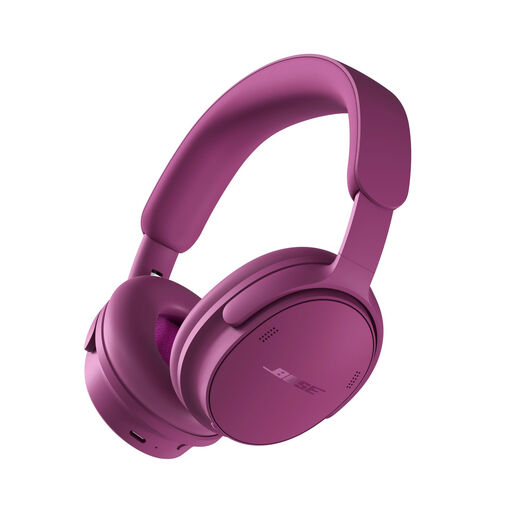
May suit you if you want to listen wirelessly and reduce background noise too; ANC doesn't prove that other people can't hear your music.
Bluetooth, active noise cancelling and a 42 mm transducer system. Up to 60 hours of playback time, with a 3.5 mm audio cable included.
 No image available
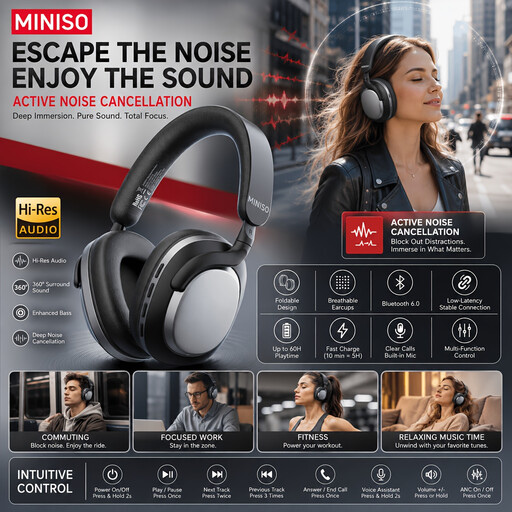
A wireless noise-cancelling option if you want to reduce background noise as well as listen to music; check sound leakage separately.
Bluetooth, active noise cancelling and several listening modes. The product description mentions an app with EQ and sound modes; a charger is not included.
 No image available
May suit you if you're looking for wireless over-ear headphones with noise cancelling; check for yourself that they fit comfortably and that your music can't be heard outside them.
The product title specifies 24 hours of battery life. Wireless use means you'll need to charge them.
 No image available
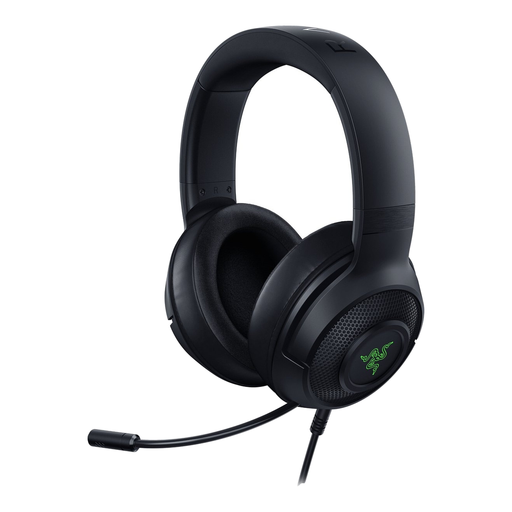
May suit you if your device supports USB audio; also consider whether a headset is practical where you plan to listen.
Wired USB connection and stereo sound. The product description specifies 40 mm drivers, 7.1 surround sound for Windows and a weight of 285 grams.
 No image available
The closed-back over-ear design may be suitable for listening in a shared space, but it doesn't guarantee that no sound will leak out.
Bluetooth 5.3, active noise cancelling and up to 24 hours of battery life. An audio cable is listed for wired listening.
No, noise cancelling doesn't prove that other people can't hear your music. It reduces background noise for the wearer, so check for sound leakage separately at your normal listening volume. The Consumers' Association notes that ANC can mainly tackle low rumbles, such as those made by vehicles with large engines.
First check which audio output your device has and which plug the exact model version uses. Sennheiser specifies a 1.8 m cable and an impedance of 150 ohms for the HD 620S; check that your audio source can play it comfortably at a moderate volume.
Keep the volume modest and take breaks instead of continually turning it up. The World Health Organization emphasises that both sound level and listening time matter; its example of a maximum of 40 hours per week at 80 dB is health advice, not a legal product limit in the Netherlands.
If a product is faulty, contact the seller, who is responsible for supplying goods that work as they should. According to the Dutch government, distance purchases generally come with a 14-day cooling-off period, although exceptions depend on the purchase. Faults and statutory conformity are covered by different rules from changing your mind. The Netherlands has no fixed statutory guarantee period that applies to all products.