Who is this relevant for?

Listening amid household noise

You want to keep following the dialogue without turning up the volume when things get noisy around you. VeiligheidNL recommends well-fitting, closed-back headphones to help prevent background noise from prompting you to listen at a higher volume.

Listening through a TV

You want a personal listening set-up for your TV and need to know whether its audio output is compatible with the base station. Philips says the SHD6000BK/12 connects to a TV using the supplied 3.5mm or optical cable.

Long-session listener

You listen to longer episodes and want to consider fit, controls and battery life as well as noise isolation. Connections and usage requirements vary by model, whether you choose headphones with a base station or a wireless model.

What should you look for when choosing?

Closed-back wireless headphones with ANC

When to choose them: if you play audio dramas on a device that can connect to the headphones, and household noise makes it difficult to listen at a comfortable volume.

Trade-off: compare speech clarity and noise cancellation separately. ANC does not guarantee that conversations or other household noise will disappear.

TV headphones with a base station

When to choose them: if you listen through a TV with a compatible audio output. Philips says the SHD6000BK/12 comes with a 3.5mm cable and an optical cable.

Trade-off: check your TV’s output and consider where to place the base station. Don’t assume it will work directly with every radio or Bluetooth source.

Wired headphones

When to choose them: if your playback device has a compatible headphone output and you want to listen without pairing via Bluetooth.

Trade-off: a cable limits your freedom of movement. An open-back model such as the Sennheiser HD 560S is a different design choice from closed-back headphones.

What to consider What to look for Who is this important for?
Blocking out household noise Look at the fit and seal of the ear cups. Assess ANC separately; the Consumentenbond describes both listening assessments and technical measurements of noise cancellation. If I miss dialogue as soon as the house gets noisy, I want noise isolation without turning up the volume. Around 36% of consumers rank noise isolation as their top buying priority.
Hearing dialogue clearly Compare how voices sound with the level of noise isolation and, if possible, listen to spoken audio. I want to follow the words in the story, not just rely on general claims about sound quality. Around 29% of consumers rank speech clarity as their top priority.
Connecting to your device First check the output on your radio, TV, phone or computer, then compare it with the connection on the exact model you’re considering. I want to know whether my playback device can connect before choosing a set-up. Around 21% of consumers put device compatibility first.
Comfort during long listening sessions Assess the fit and controls; compare battery life only when the settings and usage are the same. For a long episode, I want headphones that feel comfortable and are easy to use. Around 14% of consumers give comfort and ease of use top priority.

How to avoid common buying mistakes

  • Assuming ANC guarantees clear dialogue

    Noise cancellation and voice reproduction are different features. Household noise can also differ from the sounds used in a test environment.

    Compare both features and, if possible, listen to spoken audio in a setting similar to your room.

  • Buying TV headphones with a base station without checking the source

    Philips says the SHD6000BK/12 connects via a 3.5mm or optical TV output; that doesn’t mean the base station connects directly to every radio.

    Make a note of what you use to play your audio drama and check the available audio output before choosing how to connect.

  • Choosing open-back headphones when noise isolation is your priority

    According to Sennheiser, the HD 560S has an open-back design. If you want to block out household noise, that’s a different choice from closed-back headphones.

    In a noisy home, prioritise a good fit and seal unless you specifically want an open-back design.

  • Confusing the manufacturer’s warranty with your statutory rights

    ACM ConsuWijzer distinguishes between statutory rights and a warranty offered by the seller or manufacturer.

    Keep your proof of purchase, and if a product develops a fault during normal use, consider your statutory rights too.

Brands to consider as a reference

Sony

The WH-CH720N is an over-ear model with ANC for listening via a compatible Bluetooth source or cable.

  • Sony specifies a stereo mini jack and passive wired operation; check that it’s compatible with your playback device’s output.
  • These connection details don’t tell you how clearly voices will come through in your noisy room.

Philips

The SHD6000BK/12 is a pair of TV headphones with a separate base station.

  • Philips lists supplied 3.5mm and optical cables, controls on the ear cup and a replaceable battery.
  • Check your TV’s output; this set-up won’t necessarily work with a standalone radio.

JBL

The Tune 770NC is a wireless over-ear model with adaptive noise cancellation for compatible Bluetooth sources.

  • JBL says it can connect to two Bluetooth devices and offers up to 70 hours of battery life.
  • These are manufacturer specifications; they don’t prove how clearly dialogue will come through at home.

soundcore

The Space One is an over-ear model with ANC and adjustable transparency for anyone who wants to let in ambient sound.

  • soundcore lists 40 hours of battery life with ANC on and 55 hours with ANC off.
  • soundcore’s claims about voice and noise reduction are brand claims, not an independent comparison with other models.

Sennheiser

The wired HD 560S shows why headphone design matters in a noisy home.

  • Sennheiser describes this model as open-back; also check that the cable fits your source’s output.
  • If noise isolation is your priority, an open-back design is a different choice from closed-back headphones.

Joybuy products for different listening set-ups

This selection includes wired and wireless headphones for a range of compatible audio sources. Check the connection for each model and consider whether its design and controls suit your listening habits.
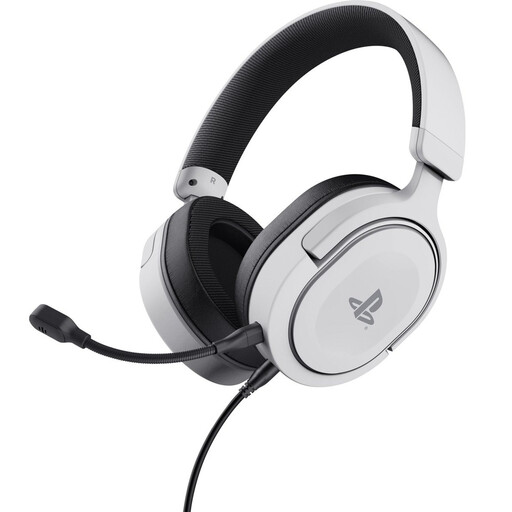
Trust GXT 498W Forta gaming headset, wired, licensed for PS5, 50 mm, white

Trust GXT 498W Forta Gaming Headset, wired, licensed for PS5, 50 mm, white

A wired over-ear headset for a source with a compatible 3.5mm connection; choose this option if a cable works for you.

The product description lists a 3.5mm cable, volume controls on the ear cup and passive noise cancellation. A noise cancellation claim alone doesn’t confirm how clearly dialogue will come through.

View at Joybuy
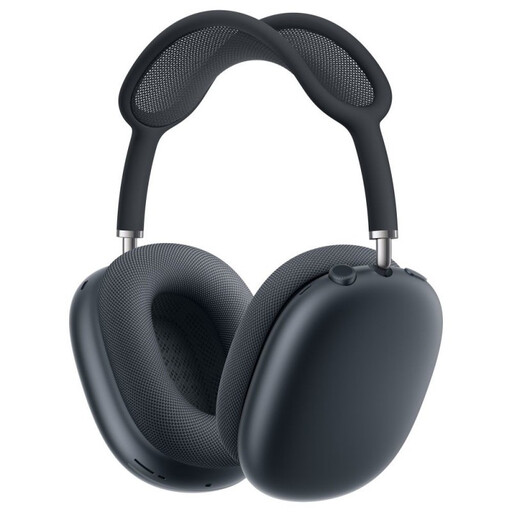
AirPods Max 2, Midnight

AirPods Max 2, Midnight

An over-ear option for anyone looking for a wireless listening set-up who wants to check compatibility with their playback device first.

The product description lists active noise cancellation, Adaptive Audio and a mesh headband with memory foam ear cushions. Those features alone don’t confirm how clearly a particular audio drama will come through.

View at Joybuy
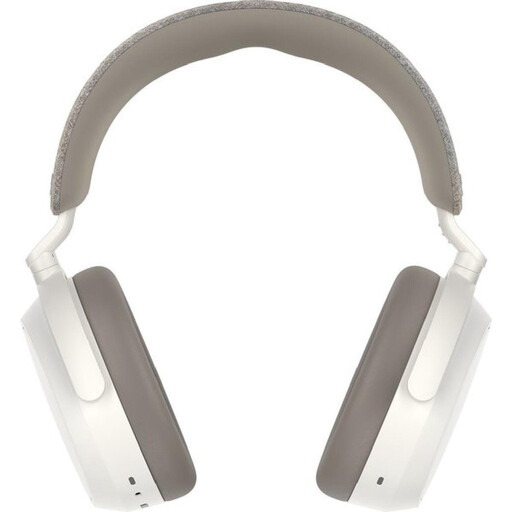
Sennheiser MOMENTUM 4 Wireless, white

Sennheiser MOMENTUM 4 Wireless, white

A wireless over-ear model for a compatible Bluetooth source; the supplied audio cable also offers a wired connection if your device has a suitable output.

The product information lists adaptive noise cancellation and up to 60 hours of playback. The Joybuy product listing also mentions a padded headband and soft ear cushions; battery life and comfort depend on usage and fit.

View at Joybuy
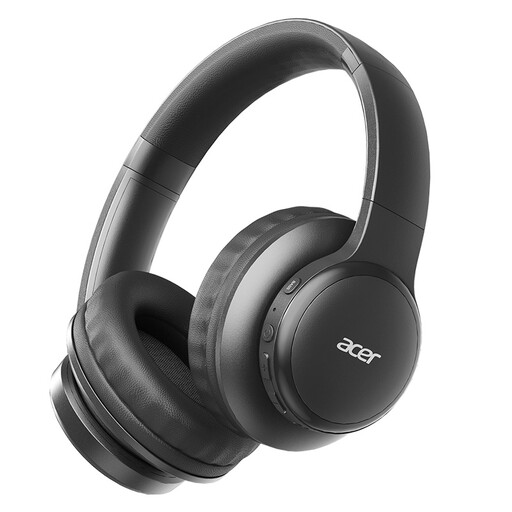
Acer OHR559 OWS wireless headphones, Bluetooth 5.3, foldable

Acer OHR559 OWS wireless headphones, Bluetooth 5.3

This wireless option suits a playback device that supports Bluetooth; check that it connects to your specific device.

The product name lists Bluetooth 5.3 and a foldable design. It doesn’t specify ANC in the product name.

View at Joybuy

Samsung Galaxy Buds4 Pro True Wireless, in-ear, black

Samsung Galaxy Buds4 Pro True Wireless, in-ear, black

A wireless in-ear option for a Bluetooth-compatible source; consider whether you’d prefer earbuds to over-ear headphones.

The product description lists active noise cancellation. Joybuy’s product information states up to 6 hours of playback per charge with ANC on; that maximum applies to the stated setting.

View at Joybuy

Frequently asked questions

Will Bluetooth headphones connect directly to my radio?

Only if your radio supports Bluetooth as a transmitter and can connect to the headphones. A headphone socket isn’t a Bluetooth transmitter by itself, so check your radio’s manual and the connection options for the exact headphone model. If your TV has a compatible audio output, headphones with a base station, such as the Philips SHD6000BK/12, offer another option.

How do I connect TV headphones with a base station?

For the Philips SHD6000BK/12, Philips describes connecting the headphones to your TV using the supplied 3.5mm or optical cable; according to Philips, the headphones are already paired with the base station. Check which outputs your TV has first, and consult the relevant manual for other models.

Should I turn up the volume to hear every word?

Don’t let background noise become a reason to keep turning up the volume for long periods. VeiligheidNL recommends well-fitting, closed-back headphones so you don’t need to raise the volume; the World Health Organization emphasises that both sound level and listening duration matter. If voices remain difficult to understand at a comfortable volume, check the playback quality or seek appropriate hearing advice.

What are my rights if I’m unhappy with the headphones or they break too soon?

For online purchases, ACM ConsuWijzer says you generally have a statutory cooling-off period of up to 14 days after delivery, with some exceptions. Separately, Dutch law provides statutory rights if a product doesn’t perform as you could reasonably expect under normal use; there isn’t automatically a fixed two-year period.

What should I look for in the CE marking on wireless headphones?

The Rijksinspectie Digitale Infrastructuur describes European requirements for wireless equipment covering areas such as health, electrical safety and susceptibility to interference. Equipment that meets the applicable requirements receives a CE marking. This marking doesn’t tell you whether the headphones are comfortable or make voices easy to understand in your home.
