What should you look for?
Start with how you listen to news lessons: streaming, managing downloads or using transferable files. Then choose headphones to suit your listening environment, comfort and connection.
| Consideration |
What should you look for? |
Who is this most relevant to? |
| Storage and playback |
First, check whether your lesson service allows streaming, download management or file transfers. Spotify describes these options for its own app; don’t assume another lesson service offers the same features. |
If my phone has little free space, I want to know whether I can stream or transfer lessons as individual files. Around 33% of consumers prioritise storage and playback. |
| Speech amid background noise |
Compare the fit and listening environment. Check whether a model has an ambient mode, and make sure you can hear your surroundings in traffic. |
In a noisy place, I want to follow spoken lessons without losing awareness of traffic or other important sounds. Around 27% of consumers prioritise speech clarity amid background noise. |
| Comfort |
Check the fit and the sizes included with in-ear earbuds, or compare them with an over-ear model. Comfort is personal. |
When listening to several lessons in a row, I want a fit that stays comfortable for me. Around 20% of consumers say comfort during longer sessions is their main concern. |
| Connection and charging |
Check that your phone or computer supports audio through your chosen connection. For wireless earbuds, compare their listening time without the charging case with the case’s capacity. |
If I don’t want to keep charging or would rather use a cable, the connection needs to work with my playback device. Around 20% of consumers prioritise connectivity and avoiding charging interruptions. |
Products at Joybuy
This selection includes headphones for lessons played from a phone or computer, as well as models with built-in storage for compatible, transferable audio files.
 No image available
Sennheiser MOMENTUM 4 Wireless, black
An over-ear option for lessons played from a Bluetooth source or via cable, if this style suits you.
The product description lists Bluetooth, a 3.5mm cable connection and up to 60 hours of playback.
Stay aware of your surroundings when walking, cycling or driving.
View at Joybuy
 No image available
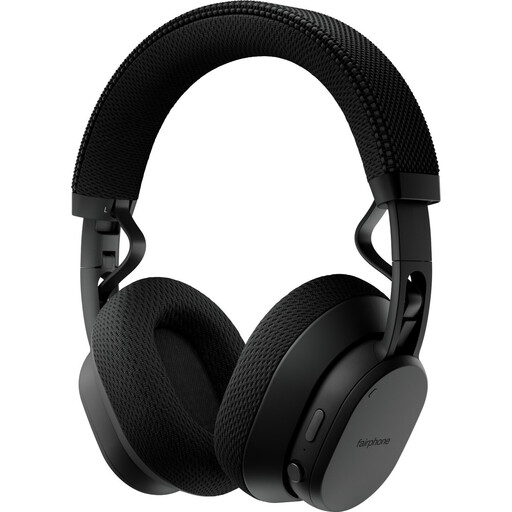
Fairphone Fairbuds XL 2025, black
Bluetooth headphones for playing lessons from your phone or computer, with noise cancellation and an ambient mode.
The product description lists up to 30 hours of use without ANC and 26 hours with ANC, plus a replaceable battery.
View at Joybuy
 No image available
Sony WH-CH720N
Bluetooth over-ear headphones for lessons played from a phone or computer, with adjustable active noise cancellation.
The product description lists up to 50 hours of use without noise cancellation and 35 hours with it; the setting has 20 levels.
The product information advises against using them while cycling or in traffic.
View at Joybuy
 No image available
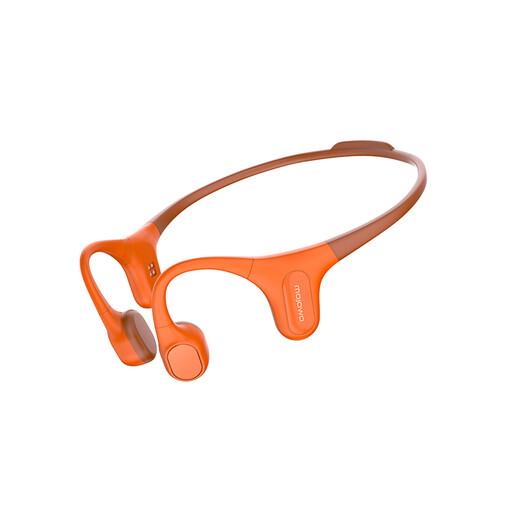
Mojawa Run Plus, 32 GB
An open-ear model with built-in storage for listening to lessons without using your phone as the playback source.
The product name and description list 32 GB of built-in storage and MP3 playback, as well as Bluetooth.
The storage is intended for compatible, transferable files; downloads kept within a streaming app can’t automatically be transferred.
View at Joybuy
 No image available
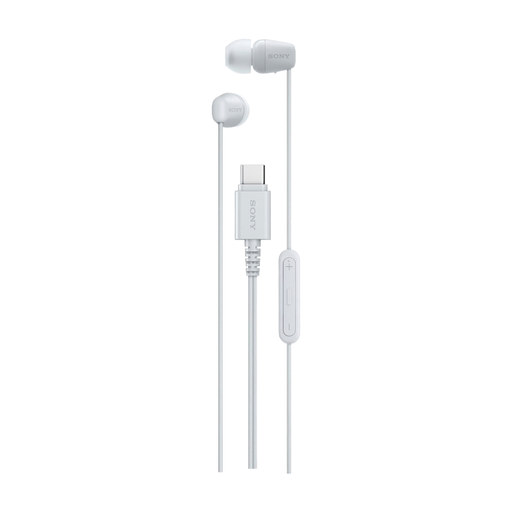
Sony IER-EX15C, USB-C, white
A wired in-ear option for a playback device that supports audio over USB-C; Sony says the earbuds themselves don’t need charging.
The product description lists a microphone and controls for music and calls.
A compatible plug alone doesn’t guarantee audio compatibility.
View at Joybuy
Frequently asked questions
Do Bluetooth headphones free up space for downloaded lessons?
No. Bluetooth doesn’t move your downloads’ storage to your headphones. Manage downloads and cache in the lesson app; built-in headphone storage is only an alternative if you can transfer the lesson as a compatible file.
What can you do if your phone has little space for offline lessons?
First, check whether your lesson service allows streaming and delete downloads you no longer need. If you use Spotify, Spotify explains how to manage cache and downloads; on compatible Android devices, the app can use an accessible SD card for downloads. Streaming over mobile data may use up your data allowance.
Can you put lessons from a streaming app on headphones with MP3 storage?
Only if you can get the lesson as a compatible, transferable audio file. Downloads kept within a streaming app aren’t automatically files you can copy to your headphones.
What should you bear in mind when listening to lessons on the move?
Make sure you can hear your surroundings, and don’t rely on noise cancellation alone. The Government of the Netherlands allows you to listen to music hands-free while driving, but you must not hold an electronic device. That doesn’t automatically make a particular headphone model suitable for every traffic situation.
How can you manage volume and long listening sessions?
Keep an eye on both the volume and how long you listen. The World Health Organization points out that both matter when you’re exposed to loud sounds, so don’t automatically turn the volume up to drown out background noise.


