
Visitors who want to stay approachable
You’re listening on your own phone and want to be able to hear your guide or other visitors. Sony and Shokz describe their open models as designs that let you hear the sounds around you.


Open earbuds are a good choice if you want to hear your guide and your surroundings during a museum tour. If gallery noise drowns out the commentary, a well-fitting, more noise-isolating pair of headphones or earbuds may be a better option. Wired headphones can save you from charging and Bluetooth pairing, provided they’re compatible with your device. Offline playback depends on the specific tour or app, so check first and test the audio without an internet connection before you set off.
You’re listening on your own phone and want to be able to hear your guide or other visitors. Sony and Shokz describe their open models as designs that let you hear the sounds around you.
You want to follow spoken audio even when the sounds around you are distracting. VeiligheidNL points out that a good fit lets less sound leak in, which may make it possible to listen at a lower volume.
You want to test the recording and connection beforehand, and spend as little time as possible pairing or charging during your visit. Wired listening may suit you if your device and connection are compatible; Apple lists specific device and software versions for EarPods (USB-C).
First, check whether the specific tour works offline. Then choose based on the balance you want between hearing your surroundings, understanding the commentary, comfort and a connection that works with your phone.
| What to consider | What should you check? | Who is this important for? |
|---|---|---|
| Awareness of your surroundings | Check that the design is open and that you can hear the commentary clearly at a comfortable volume. | If I want to be able to hear my guide or other visitors, staying aware of my surroundings comes first. Around 33% of consumers give this top priority. |
| Clarity of speech | Check the fit and try some spoken audio; don’t turn up the volume to drown out background noise. | If gallery noise makes the tour hard to follow, understanding the commentary matters most to me. Around 27% of consumers prioritise speech clarity. |
| Comfort | If possible, try on the earbuds or headband and see whether they stay comfortable throughout your visit. | If I’m walking around the museum for a while, I want a fit that feels comfortable to me. Around 20% of consumers prioritise comfort. |
| Easy set-up | Test the recording offline and, if you’re choosing a wired model, check that your device is explicitly listed as compatible. | Saved audio is only useful if the tour plays without an internet connection and my headphones work with my phone. Around 20% of consumers prioritise an easy set-up. |
Museums don’t all offer tours in the same way. For example, Wereldmuseum Amsterdam describes a tour that you start at the exhibition by scanning a QR code.
Check how your tour works and test beforehand whether the saved audio plays without an internet connection.
An open design lets in the sounds around you. In a noisy space, that can make the commentary harder to understand.
Try listening at a comfortable volume. If you can’t hear clearly enough, find a quieter spot or choose a better-fitting, more noise-isolating option.
The JBL Tune 520BT2 is a foldable, wireless on-ear model. JBL’s product information does not confirm active noise cancelling for this model.
If active noise reduction matters to you, check the specifications for the exact model.
Apple lists specific supported devices and minimum software versions for EarPods (USB-C).
Compare your device and software version with Apple’s compatibility information, and test playback before you set off.
Sony describes LinkBuds Open as open earbuds with a ring design for people who want to stay aware of the sounds around them.
Shokz describes OpenFit Air as an open-ear model with an ear hook.
JBL describes the Tune 520BT2 as a wireless, foldable on-ear pair of headphones.
EarPods (USB-C) are a wired listening option for devices that Apple lists as compatible.
These Joybuy products are designed for wireless listening to museum audio, with both open models and more noise-isolating options.
 No image available
Suited to anyone who wants to follow spoken audio with over-ear headphones and noise cancelling; choose these only if you’re happy to be less aware of your surroundings.
Wireless over-ear headphones with noise cancelling; White colour variant.
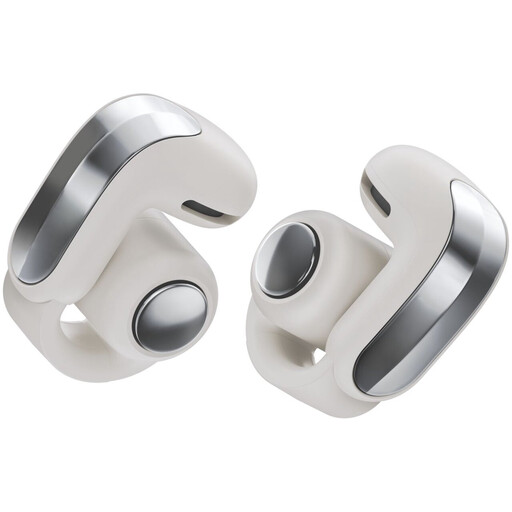 No image available
Suited to anyone who wants to stay aware of their surroundings while listening. In a noisy gallery, the open design may make the commentary harder to follow.
Open-ear model; White colour variant.
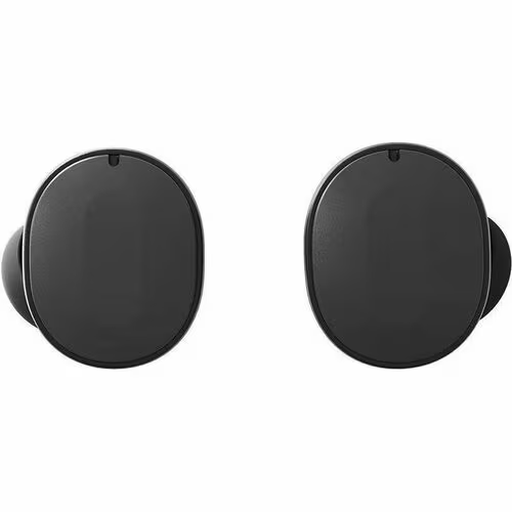 No image available
Suited to anyone who prefers to listen to spoken audio with a more noise-isolating in-ear fit. Noise cancelling can reduce background noise, but it also limits your awareness of the museum around you.
In-ear model; Black colour variant.
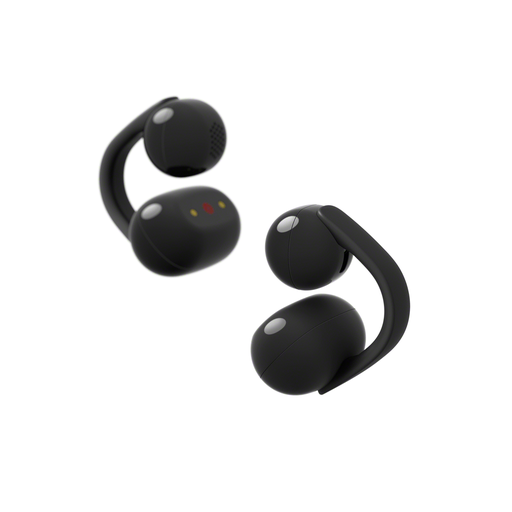 No image available
Suited to anyone who wants to stay aware of their surroundings with open-ear earbuds. Sony mentions a Voice Focus mode; check whether the fit feels comfortable for you.
Wireless open-ear earbuds; Black colour variant.
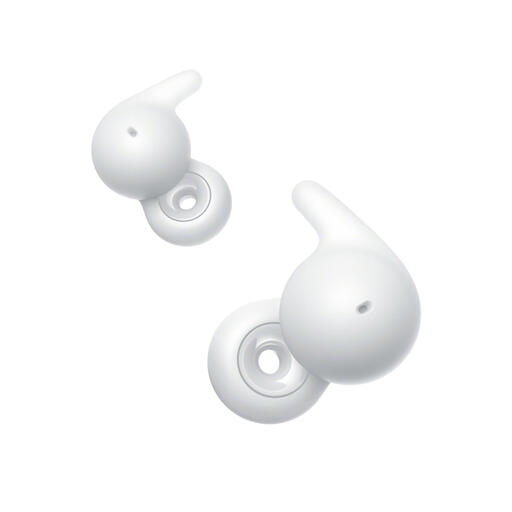 No image available
Suited to anyone who wants to stay approachable during the tour. Sony describes the open ring design as a way to stay aware of the sounds around you; in a busy gallery, this can make spoken audio harder to understand.
Truly wireless Bluetooth earbuds with an open ring design; White colour variant.
No, it depends on the tour. The Rijksmuseum describes tours in its app, while Wereldmuseum Amsterdam mentions a QR code at the exhibition for one of its tours. Check whether your specific tour can be saved locally in advance, and test playback without an internet connection.
First, try finding a quieter spot or using well-fitting, more noise-isolating headphones or earbuds. VeiligheidNL explains that a good fit lets less sound leak in, which may mean you need less volume.
No, the Rijksmuseum recommends that visitors bring their own headphones or buy a pair at the museum. Do check how your chosen tour is provided and whether your phone can play the audio.
When you buy as a consumer, you’re entitled to expect the product to be of satisfactory quality; contact the seller if something goes wrong. The Dutch government explains that the Netherlands has no fixed statutory two-year warranty period for every product: what you can expect depends, among other things, on the product and the information provided at the point of sale.
Online purchases generally come with a statutory 14-day cooling-off period from delivery, but there are exceptions. ACM ConsuWijzer explains how this cooling-off period works; check the applicable terms before unpacking or trying your earbuds.