
Listener of quiet audio
You want to understand spoken museum stories without constantly turning up the volume. The WHO recommends a good fit and notes that noise cancellation may help in noisy situations.


Start by considering the audio source: if you’re taking a tour on your phone, your headphones need to work with it; if you’re using museum equipment, check the connection and the museum’s rules. A well-fitting, closed-back pair can help you listen to quiet speech at a comfortable volume. If staying in touch with others matters more, consider an open design or an easy-to-use awareness mode. The WHO recommends a good fit and notes that noise cancellation may help you avoid turning the volume up as much in noisy surroundings. However, ANC can’t guarantee that every voice will be easy to understand.
You want to understand spoken museum stories without constantly turning up the volume. The WHO recommends a good fit and notes that noise cancellation may help in noisy situations.
You’re walking with others or want to keep hearing instructions. An open design or an easy-to-access awareness mode may suit your needs; Shokz describes the OpenFit 2 as an open-ear model.
You might be using a museum app and want to check in advance that your headphones work with your phone. The Rijksmuseum advises visitors taking tours through its app to bring their own headphones.
| What to consider | What to look for | Who this matters to |
|---|---|---|
| Understanding quiet speech | Fit for spoken audio; assess how clear it sounds at a comfortable volume. | If I need to understand quiet sections without turning up the volume, I’ll focus on fit and speech clarity. Around 36% of consumers prioritise intelligibility. |
| Hearing your surroundings | Check whether the model has an open design or an awareness mode, and how to use it. | If I want to keep hearing instructions or the people I’m with while walking, I’ll look for an open design or an easy-to-access awareness mode. Around 29% of consumers prioritise awareness of their surroundings. |
| Connecting to the audio tour | Check whether the tour plays on your phone or a museum device, which connection is available and whether you’re allowed to use your own headphones. | If I don’t yet know whether the tour plays through my phone or a museum player, I’ll first check the connection and which devices are permitted. Around 21% of consumers prioritise source compatibility. |
| Comfort and controls | Consider how the headphones feel during your visit and whether you can easily pause the audio and adjust the volume. | If I’m stopping and starting often during a visit, I’ll want comfortable headphones that make it easy to pause the audio. Around 14% of consumers prioritise comfort. |
Noise cancellation doesn’t work equally well for every type of background noise, and turning up the volume isn’t a reliable way to make unclear speech easier to understand.
Test spoken audio with a comfortable fit and at a pleasant volume. The Consumentenbond notes that noise cancellation can mainly tackle low-frequency hums.
The Rijksmuseum describes tours through its own app. This doesn’t tell you what connections or rules other museums have.
Ask the museum in advance about the audio source, the connection available and whether you can use your own headphones.
JBL gives a maximum battery life of 70 hours for the Tune 770NC with Bluetooth on and ANC off. This figure doesn’t necessarily apply when using the headphones with ANC enabled.
Only compare battery life figures when the settings and conditions of use are the same.
The WH-CH720N is a closed-back over-ear option to consider if you want to combine ANC with an awareness mode.
According to JBL, the Tune 770NC combines ANC with Ambient Aware and TalkThru.
The OpenFit 2 is an open-ear option for visitors who want to keep hearing their surroundings while listening.
The TAH2100WT/00 is a wired on-ear option if your audio source has a compatible connection.
According to Sennheiser, ACCENTUM Wireless offers ANC, a transparency mode and an adjustable podcast mode.
These products are options to compare for spoken museum audio, with quiet sections and staying aware of your surroundings in mind. For each wireless model, check that the item on offer carries the required CE marking; the Dutch Authority for Digital Infrastructure (RDI) describes CE marking as a requirement for equipment sold in Europe.
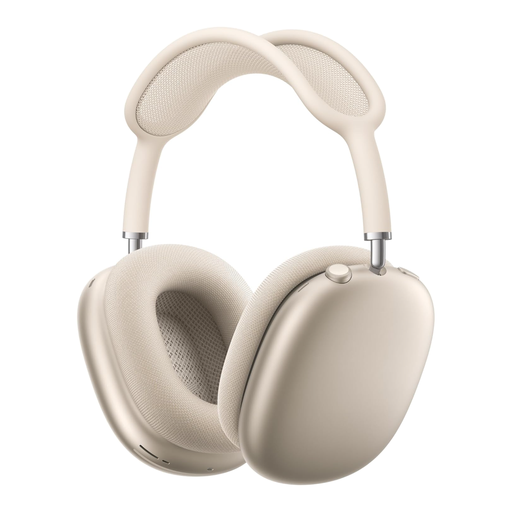 No image available
Try them with your own audio source to see whether quiet speech remains clear at a comfortable volume and whether the fit suits your visit.
Check which ambient sound features are available on this exact model and whether they meet your listening needs.
 No image available
If you’re considering an over-ear model, test it with spoken audio to see whether the fit and volume suit your museum tour.
The product title lists ANC, 60-hour battery life, fast charging and 4 microphones; only compare battery life figures when the settings are the same.
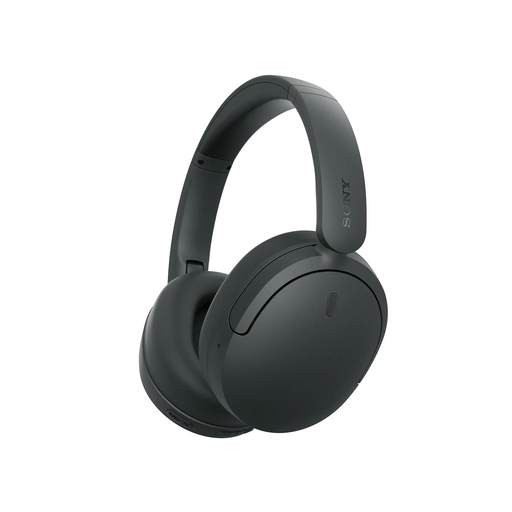 No image available
Compare this model for spoken audio by assessing the fit and controls with the audio source you’ll use during your visit.
Before buying, check which awareness feature is available on this exact model and whether the item on offer carries the required CE marking.
 No image available
If you’re considering this model for quiet sections, check whether the fit and available controls suit your tour.
The product title mentions Bluetooth; check which connection your audio source supports and whether the item on offer carries the required CE marking.
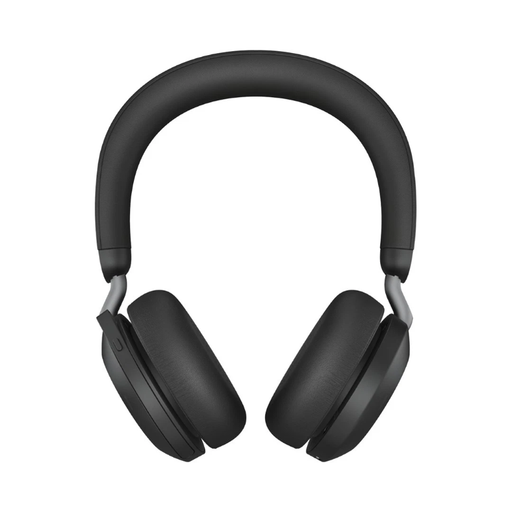 No image available
Before buying, check whether this model works with your audio tour’s connection and whether its controls are easy to reach while walking.
Assess the fit with spoken audio and check whether the item on offer carries the required CE marking.
No, don’t assume you can. The Rijksmuseum recommends bringing your own headphones for tours in its app; this doesn’t tell you what connections or rules other museums have. If the museum provides a player, ask which output it has and whether you’re allowed to use your own headphones.
Before the tour, check the connection or cable, set a comfortable volume and test the fit with spoken audio. The WHO recommends a good fit and notes that noise cancellation may help you avoid turning up the volume as much in noisy surroundings.
When you buy as a consumer in the Netherlands, you’re entitled to a product that works properly, but there’s no fixed legal guarantee period. According to the Dutch Government, a paid additional guarantee is only worthwhile if its terms give you more than your existing rights.
According to the Dutch Government, in many cases you have a 14-day cooling-off period when you buy from a business at a distance. Check which exceptions apply and what information the seller provides.
Wireless equipment sold in the Netherlands must carry the applicable CE marking. The RDI outlines the requirements for radio equipment; check the item on offer yourself, as a brand name or product listing doesn’t confirm that it carries the marking.