What should you consider when choosing?
Start by checking what equipment the tour plays on, then decide whether clear audio, awareness of your surroundings or comfort matters most to you.
Sealed in-ear earbuds
May suit you if: You want to block out background noise and find in-ear earbuds comfortable.
Trade-off: The seal also reduces your direct awareness of your surroundings; ANC can’t guarantee that voices will disappear.
Open-ear earbuds
May suit you if: You want to keep hearing conversations and sounds around you while listening.
Trade-off: You’ll still hear surrounding noise during the tour, which may make the commentary harder to understand.
Over-ear headphones
May suit you if: In-ear earbuds aren’t comfortable and you have room for headphones in your bag.
Trade-off: Over-ear headphones take up more space in your bag than earbuds, and comfort is a matter of personal preference.
Museum equipment
May suit you if: The tour doesn’t play on your phone or the museum provides its own device.
Trade-off: Arrangements vary by museum. The Rijksmuseum describes tours accessed via an app; the Van Gogh Museum explains that you can collect a booked audio tour from the Audio Desk.
The table summarises the main considerations for anyone looking for a listening device for Dutch-language museum audio between lectures.
| Priority |
What to look for |
Who is this most relevant to? |
| Hearing spoken commentary clearly |
Consider the fit and seal; don’t assume ANC will make voices disappear. |
If I want to follow the commentary without constantly turning up the volume, I’ll prioritise noise isolation; around 36% of consumers put clear audio first. |
| Hearing what’s around me |
Compare open-ear designs with a convenient transparency mode, and consider how easy speech is to hear when there’s surrounding noise. |
If I want to respond easily to others during the tour, staying aware of my surroundings matters more to me; around 28% of consumers say awareness of their surroundings is their top priority. |
| Comfort and portability |
Compare the pressure or fit around or in your ears, as well as how much space the headphones take up in your bag. |
If I take my listening device between campus and the museum, I want it to be comfortable and easy to pack away; around 22% of consumers prioritise comfort and portability. |
| Battery life and purchase terms |
Check the battery life per charge in the mode you want to use, and review the purchase and returns terms. |
If I want to know how long I can listen without recharging and what terms apply, these are the deciding factors for me; around 14% of consumers say battery life and purchase terms are their top priority. |
Products for museum audio
This selection of Joybuy products includes sealed in-ear earbuds, open-ear earbuds and over-ear headphones to suit different listening preferences.
 No image available
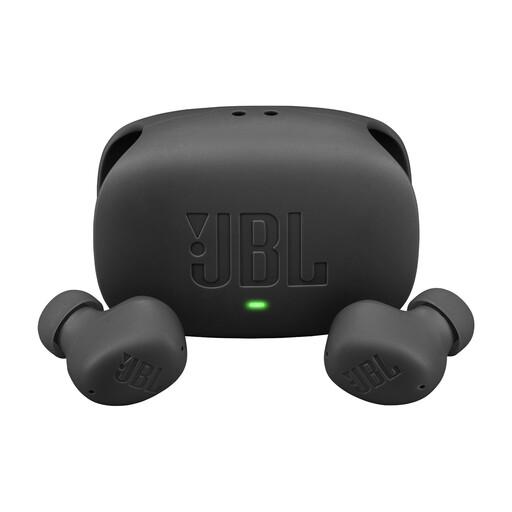
JBL Wave Buds 2 Black
These in-ear earbuds are an option if you’re looking for a compact design for a tour played on a compatible personal device.
View at Joybuy
 No image available
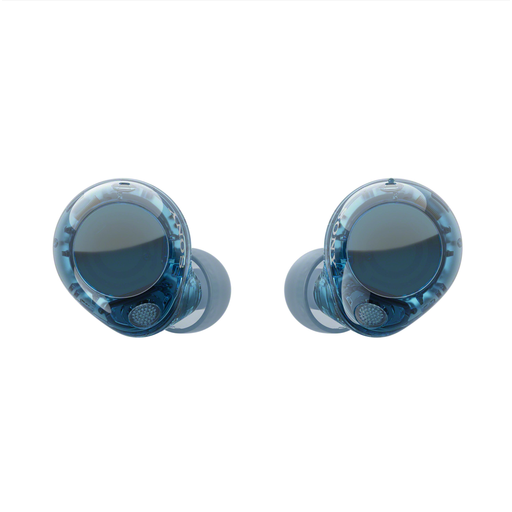
Sony WF-C710N Glass Blue
These in-ear earbuds are a good fit if you’re looking for a sealed design with noise cancelling and a transparency mode.
Sony quotes up to 8.5 hours of playback per charge with NC on.
View at Joybuy
 No image available
Sennheiser MOMENTUM 4 Wireless
These wireless over-ear headphones are an alternative if you’d rather not use in-ear earbuds.
The product name mentions noise cancelling and 60 hours of battery life. Over-ear headphones take up more room in your bag than earbuds.
View at Joybuy
 No image available
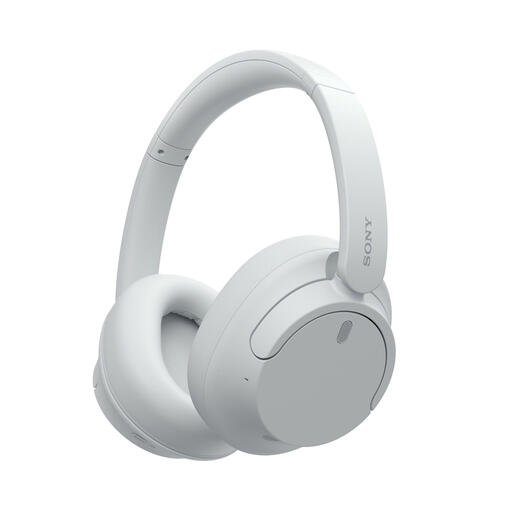
Sony WH-CH720N White
These over-ear headphones are a good fit if you’d rather not use in-ear earbuds and want a model with noise cancelling and a transparency mode.
Sony quotes up to 35 hours of use with noise cancelling switched on. Bear in mind that over-ear headphones need extra room in your bag.
View at Joybuy
 No image available
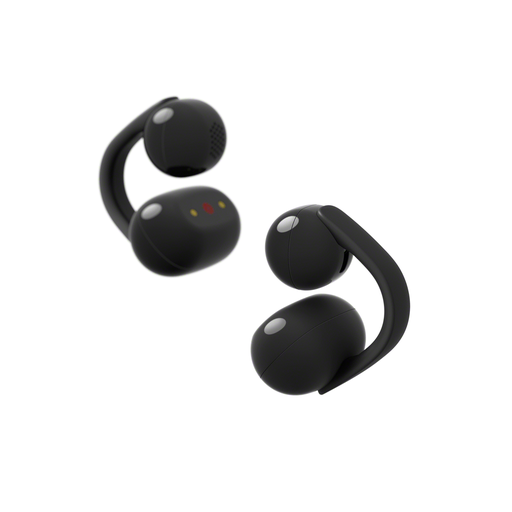
Sony LinkBuds Clip Black
The open-ear clip design is an option if you want to keep your ear canals clear and stay available to talk while listening.
You’ll still hear surrounding noise, which can make the commentary harder to follow in a noisy space.
View at Joybuy
Frequently asked questions
Can I use my own Bluetooth earbuds for every museum tour?
Don’t assume you can without checking: museums offer tours in different ways. The Rijksmuseum describes tours accessed via its own app and recommends bringing headphones; the Van Gogh Museum explains that you can collect a booked audio tour from the Audio Desk. Check with your museum whether the tour plays on your phone and what equipment or connection it uses.
Are ANC or open-ear headphones better for spoken museum audio?
It depends on what matters most to you. Sealed earbuds with ANC may be a better fit if you want to reduce surrounding noise, while open-ear headphones suit you if you want to keep hearing what’s around you. ANC can’t guarantee that voices will disappear, and open-ear designs let distracting sounds in.
Does a long quoted battery life mean I can listen continuously for that long?
Not always. For wireless earbuds, the total playback time may include extra charges from the case, and you can’t use the earbuds while they’re charging in it. Compare the battery life per charge in the mode you want to use.
How can I listen to a tour when it’s noisy around me?
A well-fitting, sealed pair of headphones may help reduce the impact of surrounding noise, but listen at a comfortable, moderate volume. Don’t treat ANC as a reason to listen louder or for longer.
What rules apply to online purchases in the Netherlands?
ACM ConsuWijzer says that online purchases usually come with a cooling-off period of up to 14 days after delivery, although exceptions may apply. A seller must also offer an appropriate solution at no extra cost if a product breaks sooner than you could reasonably expect under normal use. Check the specific returns terms before opening a sealed package if you want to assess the fit.


