Choose headphones based on the audio source and how often you need to be able to hear others at the table. A closed-back model with noise cancelling can help reduce some background noise, but it won’t make conversations disappear; an ambient mode or a less isolating fit may be more practical if people often speak to you. Wereldmuseum Amsterdam says its audio tour can be used with either your own smartphone or a loan device, so check which connection is available for each tour.
Who is this choice relevant for?
Listener at a shared study table
You’re listening to spoken museum audio while others are working, and weighing up clear speech against being able to hear the people at your table. The Consumentenbond highlights voice reproduction as something to consider when choosing headphones for studying or working.
Long-session listener
You listen to stories or study audio for extended periods and pay attention to fit and pressure on your ears. The Consumentenbond describes the differences between over-ear and on-ear fits; pressure and comfort can vary from person to person.
Museum visitor using their own device
You want to bring the same headphones with you, but need to check whether the audio tour works on your phone or uses a museum device. Wereldmuseum Amsterdam says its audio tour can be used with a compatible smartphone or a loan device.
What should you look for in headphones for museum audio?
First check how the museum tour plays its audio. Then weigh up speech clarity, comfort and how easily you can hear people at the table.
| What to consider |
What to look for when buying |
Who is this important for? |
| Speech clarity |
Compare how clearly the model reproduces speech and how its noise reduction works; don’t assume ANC will filter out conversations at the table. |
When I’m listening to museum stories at a shared table, I want to understand what’s being said without relying on conversations disappearing. Around 36% of consumers put speech clarity first. |
| Comfort over long periods |
Over-ear headphones take up more room in a bag; on-ear models are more compact, but may put more pressure on your ears. Fit is a personal matter. |
For longer listening or study sessions, I want the fit to stay comfortable. Around 29% of consumers prioritise long-wearing comfort. |
| Connection and portability |
Check whether the audio source supports Bluetooth or a suitable wired connection, and whether the headphones are easy to carry. |
When visiting a museum with my own phone or a loan device, I want to know in advance which connection will work. Around 21% of consumers prioritise connection and portability. |
| Keeping in touch at the table |
See how you can hear your surroundings or pause the audio, and check how to switch between listening modes. |
If people often speak to me at the table, I want to be able to hear them without constantly taking off my headphones. Around 14% of consumers prioritise staying in touch with others at the table. |
Common pitfalls
-
Assuming ANC will make conversations at the table disappear
Noise cancelling can reduce some background sounds, but that doesn’t prove it will filter out every conversation nearby. The Consumentenbond notes that ANC can work on sounds such as low-frequency humming.
Compare a specific model for how it reproduces voices and how easily you can hear your surroundings again.
-
Bringing wired headphones without checking the connection
Headphones with a 3.5 mm plug will only connect directly to a device with a matching socket. Wereldmuseum Amsterdam says its audio tour can be used with your own phone or a loan device, but that doesn’t tell you which connections other museums use.
Check your device’s connection and ask the museum in advance which player or connection the tour uses.
-
Comparing maximum battery life without considering the listening mode
Sony gives different maximum battery life figures for the WH-CH720N with noise cancelling on and off. JBL quotes up to 70 hours for the Tune 770NC with Bluetooth on and ANC off.
Compare battery life figures using the same ANC setting, and remember to factor in charging.
-
Assuming you need an extended warranty for legal protection
The Dutch government distinguishes between statutory protection and additional warranties. If a product is faulty, the retailer is your point of contact; an extra warranty is only worthwhile if its terms offer more than you already have.
Before choosing extra cover, check what it includes and read the terms and conditions.
Brands and models to compare
Sony
The WH-CH720N is a wireless over-ear model to compare if you want noise reduction but also need to hear your surroundings from time to time.
- Sony Netherlands lists an ambient sound mode, an included connection cable, a weight of around 192 g and up to 35 hours of playback with noise cancelling on.
- These specifications don’t confirm how comfortable the model will feel to you or how clearly you’ll hear voices at a study table.
JBL
The Tune 770NC is a foldable over-ear model to compare if you switch between devices and want an ambient mode.
- JBL lists multipoint, Ambient Aware and TalkThru.
- The quoted maximum of 70 hours applies with Bluetooth on and ANC off; don’t compare it directly with battery life when ANC is enabled.
Sennheiser
The HD 400S is a wired over-ear option if your audio source has a suitable 3.5 mm socket.
- Sennheiser Hearing lists a closed-back, foldable design and a detachable 1.4 m cable.
- You can’t connect this model directly by cable to a device without a suitable 3.5 mm socket.
Philips
The TAH4209BK/00 is an on-ear alternative if compact portability and wireless listening matter to you.
- Philips lists a foldable on-ear fit and up to 55 hours of playback.
- These specifications don’t show that this model will feel more comfortable to you or reproduce spoken audio more clearly.
Joybuy product picks
These picks are suited to wireless listening to museum audio and use at a shared study table. For museum use, check that the audio source supports the wireless connection you need.
 Image unavailable
Sennheiser MOMENTUM 4 Wireless, black
An option if you want to listen to museum and study audio wirelessly from a compatible Bluetooth source.
The product name lists noise cancelling, up to 60 hours of battery life, fast charging and 4 microphones.
View at Joybuy
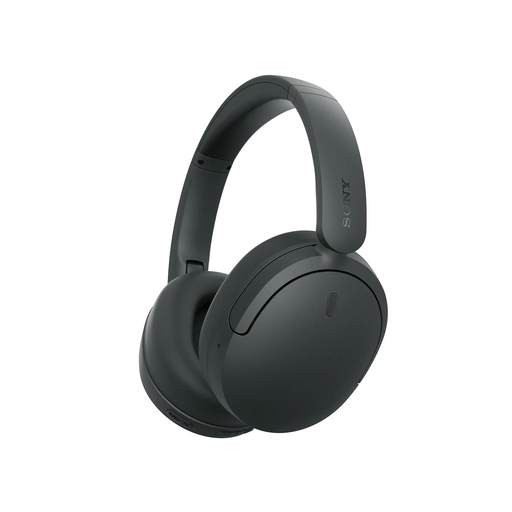 Image unavailable
WH-CH730 Wireless Headphones, black
An option if you’re looking for wireless headphones for museum or study audio; check that the audio source supports the connection.
View at Joybuy
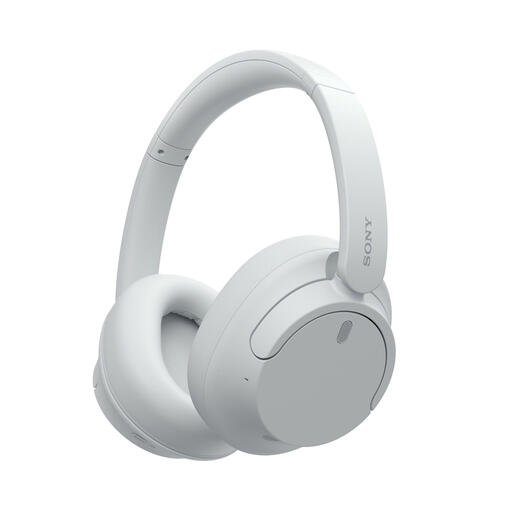 Image unavailable
Sony WH-CH720N, white
An option for wireless listening from a compatible Bluetooth source.
The product name lists Bluetooth and noise cancelling; this is the white version.
View at Joybuy
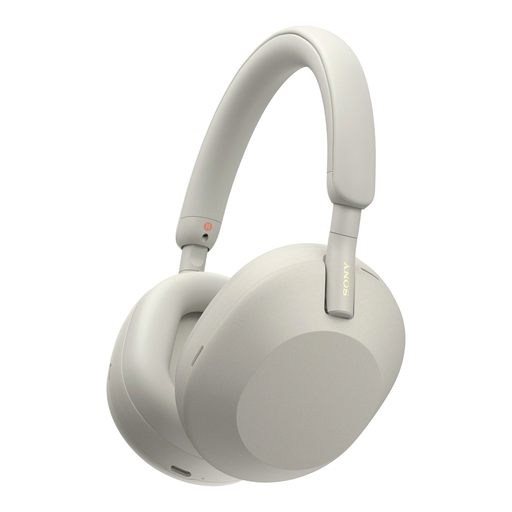 Image unavailable
Sony WH-1000XM5, silver
An option if you want to listen to museum and study audio wirelessly; check that your audio source is compatible first.
The product name lists noise cancelling and the silver finish.
View at Joybuy
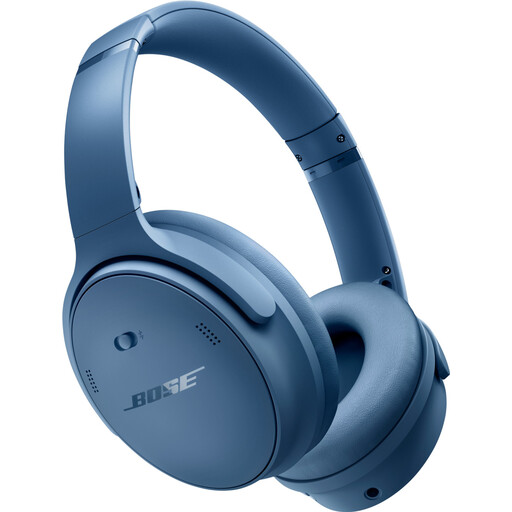 Image unavailable
Bose QuietComfort, Blue Dusk
An option for wireless listening from a compatible Bluetooth source.
The product name lists Bluetooth, noise cancelling and the Blue Dusk colour.
View at Joybuy
Frequently asked questions
Can I use my own headphones for every museum tour in the Netherlands?
It depends on the tour. For its audio tour, Wereldmuseum Amsterdam recommends using your own earbuds or headphones with your own phone, and also mentions loan devices. Check which device your tour uses and which connections it supports.
How can I listen without turning up the volume when there’s noise at the table?
The World Health Organization advises keeping the volume low and gives a maximum of 60% of your device’s volume as a practical guideline. This percentage isn’t a legal product requirement and doesn’t measure the exact sound level in your ears; well-fitting headphones or noise cancelling may help reduce the temptation to turn up the volume in noisy surroundings.
Do I need to set up wireless headphones first?
You’ll need to pair them with a compatible audio source. Before your museum visit, check whether the tour plays on your own phone and test the connection. For a wired model, check instead that the plug fits your device.
What are my rights when buying online in the Netherlands?
According to ACM ConsuWijzer, online purchases generally come with a statutory cooling-off period of up to 14 days after delivery, with some exceptions. The Dutch government also says you’re entitled to a product that works properly, and that the retailer is your point of contact if there’s a fault. The Netherlands does not have a fixed, general statutory warranty period of two years.


