
Listening at home with housemates
Wants to follow spoken Dutch museum audio over the everyday noise of a shared home, without turning up the volume or letting sound leak out. VeiligheidNL explains how a good fit can help reduce sound leakage.


For Dutch museum audio in a shared home, well-fitting closed-back headphones or snug-fitting earbuds are a sensible place to start. According to VeiligheidNL, a good fit can help reduce sound leakage and the need to turn up the volume. Choose active noise cancelling (ANC) if persistent background noise bothers you, but don’t expect it to block out conversations with housemates. Also check whether the recording is available at home and whether your headphones are compatible with your device’s connection or audio output.
Wants to follow spoken Dutch museum audio over the everyday noise of a shared home, without turning up the volume or letting sound leak out. VeiligheidNL explains how a good fit can help reduce sound leakage.
Prioritises a comfortable fit and uninterrupted playback for longer listening routes. The Van Abbemuseum, for example, offers a 66-minute listening route.
Wants to use the same headphones at home and, potentially, for an audio tour on their own phone. Instructions vary from museum to museum: Wereldmuseum Amsterdam recommends using your own earbuds or headphones when listening on a mobile phone, while the Philips Museum offers a podcatcher that doesn’t require headphones.
When to choose them: If you mainly listen at home on a device with a compatible audio output and don’t want to manage a battery or Bluetooth connection.
The trade-off: How well they block sound depends on the fit, and the cable limits your freedom to move around.
When to choose them: If there’s often background noise at home or you want to switch between your phone and laptop.
The trade-off: Check the battery life with ANC switched on and make sure the fit suits you. ANC doesn’t guarantee that voices will disappear; Sennheiser Hearing Support notes that voices are harder to suppress.
When to choose them: If you want a compact option that you can also take along for an audio tour on your own phone.
The trade-off: Fit varies from ear to ear. Check that the tips create a good seal, and whether you’ll need to hear your surroundings during a museum visit.
| What to consider | What should you check? | Who is this important for? |
|---|---|---|
| Following speech without turning up the volume | Look for a closed-back design or well-fitting in-ear tips; try spoken audio at a comfortably low volume. | If I want to follow stories while my housemates are busy, I focus on fit and how well the headphones seal. Around 36% of consumers give clear speech the same top priority in a shared home. |
| Comfort during long listening sessions | Check that the headband is adjustable and the ear cushions are comfortable, and try the headphones on yourself if possible. | For a long listening route, I want the fit to stay comfortable. Around 29% of consumers put comfort during longer recordings first. |
| Connection and uninterrupted playback | Check your device’s connection or Bluetooth support, and the battery life at your preferred setting. | When listening on my own phone or computer, I want the connection and battery life to suit my session. Around 21% of consumers give device compatibility top priority. |
| Portability and hearing your surroundings | Check the specific museum’s instructions and whether your headphones have an awareness mode if you need one. | For listening at home and potentially taking an audio tour on my phone, I consider both size and awareness of my surroundings. Around 14% of consumers prioritise compact headphones for home and on-the-go use. |
The product specifications listed don’t compare these models on how well they make museum speech audible when housemates are talking.
Start by choosing a good fit and checking how well you can follow spoken audio at a low volume. Then consider ANC, and if possible, try the headphones with a spoken recording.
Manufacturers give different maximum figures for different settings. Sony states up to 35 hours with NC on and 50 hours with NC off; JBL states 70 hours with Bluetooth on and ANC off.
Only compare battery life at the same settings. With noise cancelling switched on, you may need to charge more often than the maximum quoted battery life suggests.
Check the battery life at the setting you plan to use.
Museums may offer a tour on your own phone or provide a dedicated listening device. A recording available to listen to during a visit isn’t automatically available at home.
If your device doesn’t have a compatible connection, you may need an adapter or a different listening solution.
Check both whether the recording is available at home and how your device plays audio. For an audio tour, also check the museum’s instructions.
The WH-CH720N is a closed-back wireless over-ear option with ANC, an ambient sound mode, Bluetooth and a detachable audio cable.
The Tune 770NC is a foldable wireless over-ear headphone with ANC, Smart Ambient and multipoint connectivity.
The ATH-M20x is an example of a closed-back wired over-ear headphone for use with a compatible audio output.
The wired TAH2100WT/00 is a compact on-ear option with a closed-back design.
This selection includes wireless earbuds, wireless headphones and wired headsets to compare for spoken audio at home. Check whether each model’s fit, connection and listening method suit your situation.
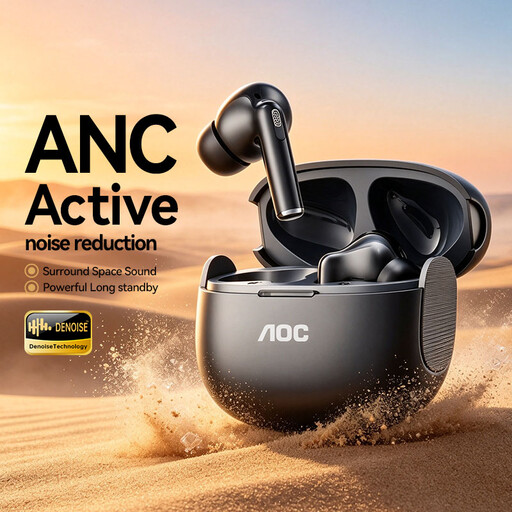 Image unavailable
An option to compare if you want to listen wirelessly; check that the earbuds feel comfortable and create a good seal.
The product title lists Bluetooth 5.4 and a charging case with a digital display.
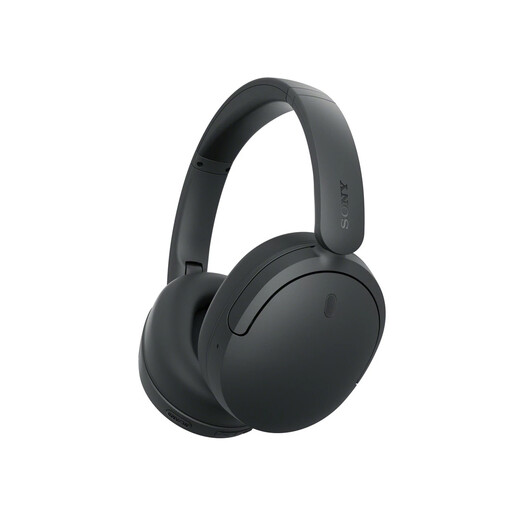 Image unavailable
Wireless headphones to compare if you don’t want to use a cable to connect to your playback device. Check the features you want and the fit before buying.
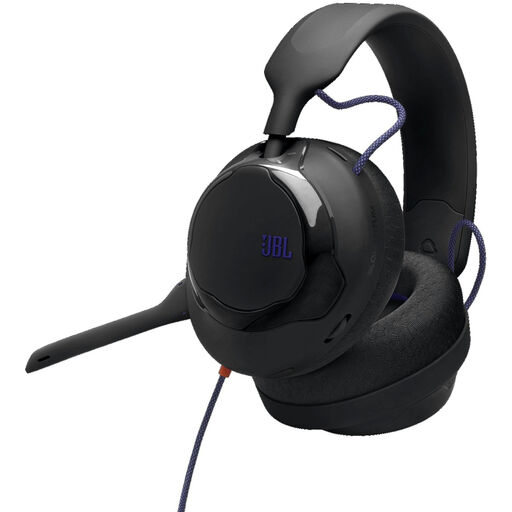 Image unavailable
Suitable if you’re looking for a wired option; check that your device has the required connection.
The product title describes a wired multiplatform gaming headset, and the product information lists a 3.5mm cable. Your playback device needs a compatible connection.
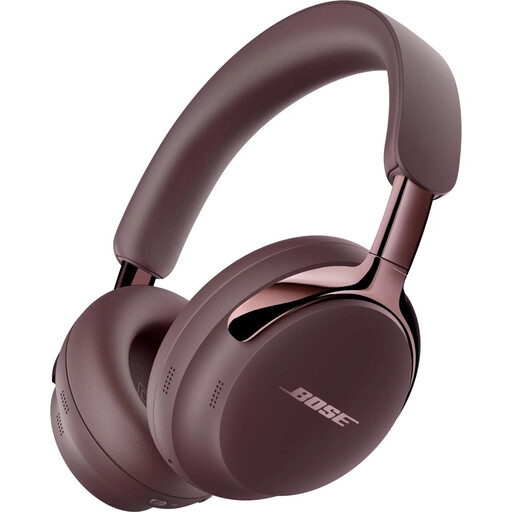 Image unavailable
Headphones to compare if you want the option of listening wirelessly or with a cable; check which connection works with your device.
The product information lists Bluetooth and a detachable cable with USB-C and 3.5mm connections. No charger is included.
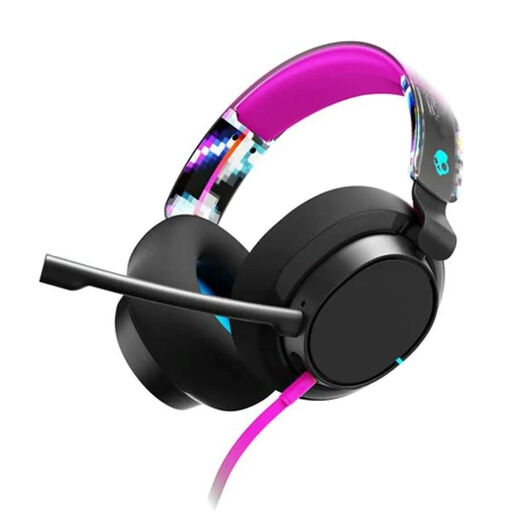 Image unavailable
A wired over-ear option to compare if you’re listening on a device with a compatible connection.
The product title describes a wired over-ear headset; the product information lists USB-C and 3.5mm connections.
No, it depends on the museum and how the audio is played. Wereldmuseum Amsterdam recommends using your own earbuds or headphones when following the tour on a phone; the Philips Museum describes a provided podcatcher that you can use without wearing headphones. Also check whether the recording you want to hear is available at home.
Not always. Start with a fit that creates a good seal and see whether you can follow the spoken audio at a comfortably low volume. ANC can help if persistent background noise bothers you, but it won’t necessarily block out conversations.
Try the recording and connection on your own device, and check that the fit stays comfortable. If you choose a wireless model, charge it first and check the battery life at your preferred setting; maximum figures may apply with ANC switched off.
Start at a comfortably low volume and check the fit or seal first. The World Health Organization recommends well-fitting headphones and noise cancelling to help reduce the temptation to turn up the volume in noisy surroundings; both listening level and listening time matter.
When you buy from a business at a distance, you’ll generally have 14 days to change your mind; check which exceptions apply and review the returns information. Products must also be of satisfactory quality, and the seller is your point of contact if something is faulty. According to the Dutch government, the statutory guarantee does not have a fixed general term of two years.