
Mixer at a shared library table
Wants to hear the differences between mix versions without disturbing people nearby. Sound leakage and a reliable fit are key considerations.


For comparing mix changes in a shared library, a well-fitting, low-leakage pair of closed-back headphones or snug-fitting in-ears is usually a more sensible starting point than an open-back model. RTINGS.com notes that open-back headphones generally leak more sound, although closed-back models can also let sound escape. So check the fit, connection and exact version, and compare familiar mix excerpts at a moderate volume.
Wants to hear the differences between mix versions without disturbing people nearby. Sound leakage and a reliable fit are key considerations.
Checks edits using a laptop or portable interface and wants to match the connection and exact version to the source they use.
Listens to several mix versions in a row and considers comfort, manageable volume and replaceable parts.
Choose this if: you want to compare mixes for longer without wearing in-ears.
Trade-off: fit, cable and connection vary by model; a closed-back design does not guarantee silence.
Choose this if: portability and finding ear tips that fit you are important.
Trade-off: the seal depends in part on your ear canal, the tips and how you position them.
Choose this if: you listen somewhere that sound leakage is not a problem.
Trade-off: open-back models generally leak more sound; if you’re in a shared space, check this at your listening volume first.
RTINGS.com says open-back models generally leak more sound than closed-back models, although closed-back headphones can also leak. So check the exact model at a moderate volume, and make sure it connects to the source you use.
| What to consider | What to look for when buying | Who should give this more weight |
|---|---|---|
| Sound leakage | Check the seal and audible leakage with your own fit, at a low volume; don’t rely on the ‘closed-back’ label alone. | If I’m listening near other people, I want to assess my mix without disturbing them. Around 33% of consumers with this listening need prioritise sound leakage. |
| Hearing differences between mixes | Compare familiar excerpts before and after a change at the same, moderate volume, and check important decisions on another trusted playback system too. | I want to assess small changes between versions without treating manufacturers’ claims as proof of neutrality. Around 27% of this group prioritise comparing mixes. |
| Connection and version | Check the output, plug, any adapter and the exact impedance version. Beyerdynamic offers the DT 770 PRO in 32, 80 and 250 ohm versions for different sources. | I want my headphones to connect to the laptop or interface I actually use. Around 20% of this group prioritise source compatibility. |
| Comfort and maintenance | Consider the fit, replaceable ear pads and whether the cable on your chosen model can be replaced; keep the volume manageable and take breaks. | During longer listening sessions, I want to compare mixes comfortably and know which wear parts I can replace. Around 20% of this group prioritise comfort and maintenance. |
An open-back design generally lets more sound escape, so people nearby may hear your mix.
It’s better to use an open-back model somewhere sound leakage is not a problem, or first check what other people can hear at your listening volume.
Closed-back headphones can still leak sound. With in-ears, the seal also depends on the ear tips and fit.
Check the seal and sound leakage on the exact model rather than relying on the product category or an isolation label alone.
Beyerdynamic offers 32, 80 and 250 ohm versions for different uses and sources.
Before choosing, compare the full version details with the output on your laptop or audio interface.
If your source is not a good match for the version you choose, you may need suitable playback equipment.
A product description or manufacturer claim does not establish how you will assess mix changes on that model.
Compare familiar excerpts at the same low volume, and check important mix decisions on another trusted playback system too.
The closed-back DT 770 PRO range may be worth considering if you want to factor in source compatibility and replaceable ear pads.
The closed-back ATH-M50x is a portable studio option with detachable cables.
The closed-back HD 280 PRO is a monitoring option with a foldable design.
The closed-back SRH840A and compact SE215 offer different styles for monitoring and listening.
Neumann positions the closed-back NDH 20 for monitoring and mixing, including situations where limiting sound leakage is desirable.
This selection includes over-ear and in-ear models for listening to mix excerpts. For each model, check that the connection and fit suit your source and use in a shared space.
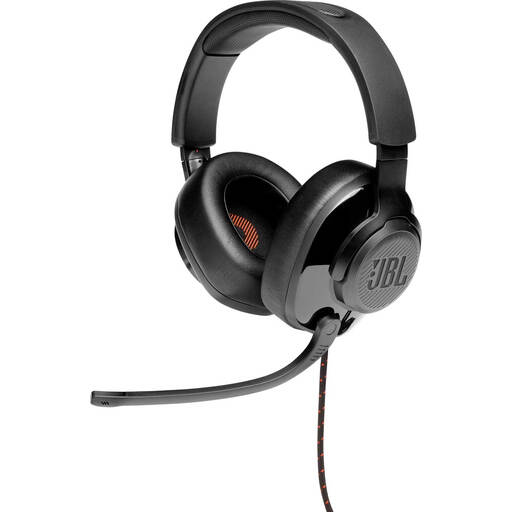 No image available
The wired over-ear design suits anyone who wants to listen to mix excerpts over a cable; check that the connection works with your source.
 No image available
This wireless over-ear option suits anyone who wants to listen to mix excerpts wirelessly or with a cable; check which connection works with your source.
The product name states a battery life of 60 hours.
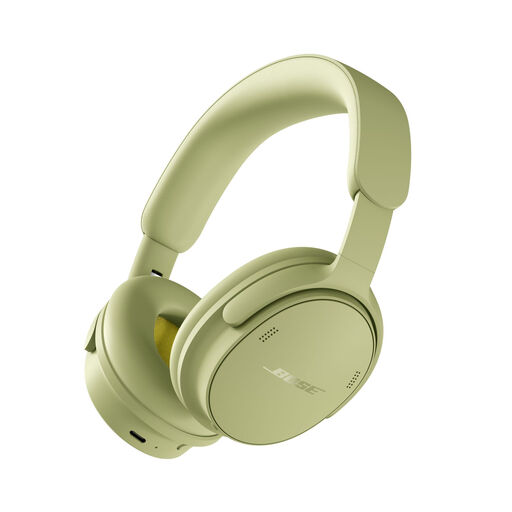 No image available
These over-ear headphones may suit anyone looking for noise cancelling; also check separately whether the model leaks audible sound at your listening volume.
The product name states the colour as Eucalyptus Green.
 No image available
The true wireless in-ear design suits anyone who wants a compact listening option; check that the fit is comfortable for your listening sessions.
The product name states that they have active noise cancelling.
 No image available
This wireless over-ear option suits anyone who wants to listen to mix excerpts without a cable; check that it works with your source and workflow.
The product name states a battery life of 24 hours.
That depends on the library’s rules and how much sound leaks at your volume. RTINGS.com says open-back models generally leak more sound, so check the rules at your library and choose a model whose leakage you have assessed in practice.
Before buying, check the output, plug and any adapter for the exact version. Beyerdynamic offers the DT 770 PRO in 32, 80 and 250 ohm versions for different sources, so check the specifications of your own equipment too.
Keep the volume low and take breaks. The World Health Organization gives an average of 80 dB for up to 40 hours a week as an example; at a higher level, that time decreases. This is not a volume law, and it does not tell you what sound level your device produces at a particular setting.
For a consumer purchase in the Netherlands, you should generally contact the seller about your statutory guarantee. According to the Dutch government, there is no fixed statutory guarantee period in the Netherlands; what matters is what you could reasonably expect from the product. For distance purchases, you will often also have a 14-day cooling-off period, subject to the applicable conditions.