Who is this relevant to?

Picking out a solo in a noisy cabin

You want to listen to guitar passages repeatedly without constantly turning up the volume to drown out cabin noise. The Consumers’ Association of the Netherlands highlights the importance of fit and listening environment for extended listening.

Listening for long periods

You want to listen for a long time, so you’re paying attention to the fit, ear pads and pressure, including when wearing glasses. The Consumers’ Association of the Netherlands notes that over-ear headphones are often comfortable for long listening sessions, but take up more room in a bag.

Travelling with wired headphones

You want to listen from your own device without relying on the headphone battery, so you check the plug, cable and space required. KLM recommends wired headphones for its in-flight entertainment system; check the connection for your own device or flight.

What should you look for when choosing?

Closed-back wired studio headphones

Choose this option: if you want to listen repeatedly from your own device without needing a headphone battery.

Bear in mind: passive isolation isn’t a measure of noise reduction on an aircraft, and it won’t automatically reduce low engine rumble in the way a well-functioning ANC model can.

Over-ear headphones with active noise cancellation

Choose this option: if low cabin rumble is the main thing getting in the way of your listening.

Bear in mind: ANC may depend on a battery; wired use and operation with a flat battery vary by model.

What to consider What should you check? Who should pay particular attention?
Cabin noise Check how well the headphones seal around your ears and compare independent noise-reduction tests where available. Make sure you can listen comfortably at a lower volume. If I want to hear the detail in the guitar without drowning out cabin noise by turning up the volume, I look at the seal and noise reduction. Around 31% of consumers give limiting cabin noise their top priority.
Comfort Check the ear pads and clamping force; if possible, try the headphones for an extended period while wearing your own glasses. If I want to listen to passages repeatedly for long periods, comfort on my ears and, where relevant, around my glasses matters a lot. Around 31% of consumers prioritise comfort for extended wear.
Connection Check the plug and cable length against your own phone, tablet or laptop; for wireless models, check the wired mode and battery life. If I want to listen on my own device without unexpected reliance on a battery or adapter, I check the connection first. Around 23% of consumers give connection reliability their top priority.
Storage and maintenance Check whether the model folds, which accessories are included with that version and whether suitable replacement ear pads are available. If limited hand-luggage space or replaceable parts are decisive for me, I consider storage and maintenance. Around 15% of consumers put these factors ahead of the other points listed.

Common mistakes when choosing

  • Assuming a wide frequency range means you’ll hear notes more clearly

    A stated frequency range alone won’t tell you how the headphones fit your ears, how much cabin noise they block or how the music sounds.

    Assess fit, sound quality and relevant noise reduction separately.

  • Assuming ANC guarantees musical detail

    ANC may be worth considering for low engine rumble, but performance and operation without ANC vary by model.

    Consider ANC mainly if cabin rumble is your biggest obstacle, and check the sound quality and connection you want to use for the exact model.

  • Trying the cable for the first time in your aircraft seat

    Cable length and type can vary, even between closed-back headphones.

    Check the cable supplied with the exact version and try the connection with your own playback device before you leave.

Brands to consider

Audio-Technica

The ATH-M50x is a closed-back, foldable pair of studio headphones for anyone looking for a detachable cable.

  • Audio-Technica lists passive isolation and three cables included.
  • The manufacturer’s claim isn’t an independent measurement of cabin isolation; check that the fit suits you.

beyerdynamic

The DT 770 PRO, 32 ohm, is a closed-back wired version that the manufacturer describes as suitable for mobile monitoring.

  • According to beyerdynamic, this version has a 1.6 m straight cable and replaceable ear pads.
  • Check that the fixed cable works in your seat space, and don’t confuse this 32-ohm version with other variants.

AKG

The closed-back, foldable K371 is an option to take with you.

  • AKG lists a weight of 255 g and a design intended to provide passive isolation.
  • These are manufacturer specifications, not an independent assessment of comfort or noise reduction during a flight.

Sennheiser

The HD 280 PRO is a closed-back, foldable wired monitoring headset with replaceable ear pads.

  • Sennheiser lists a 3.5mm plug and claims noise reduction of up to 32 dB.
  • The stated figure doesn’t guarantee noise reduction from engine noise in your cabin; check the comfort and coiled cable too.

Sony

The foldable MDR-7506 is a professional pair of headphones for anyone who values compact storage.

  • Sony lists a carry pouch and soft ear pads as included.
  • Check which accessories come with the version you’re buying and whether the fit is suitable for extended listening.

Joybuy products

This selection consists of over-ear headphones with active noise cancellation. For each model, check that the wired connection, battery and fit suit your flight and device.

Bose QuietComfort Ultra Bluetooth Headphones, black

Bose QuietComfort Ultra, black

An option to consider if you want ANC and the ability to listen wired from your own device.

The product information lists Bluetooth 5.3, up to 24 hours of battery life and an audio cable for wired use without battery power.

View at Joybuy
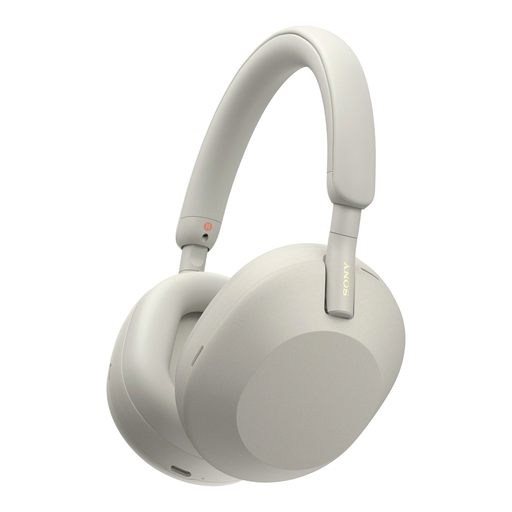
Sony WH-1000XM5, silver

Sony WH-1000XM5, silver

An over-ear option to consider if you want to use ANC while travelling.

The product information lists LDAC and up to 30 hours of battery life with noise cancelling switched on.

View at Joybuy
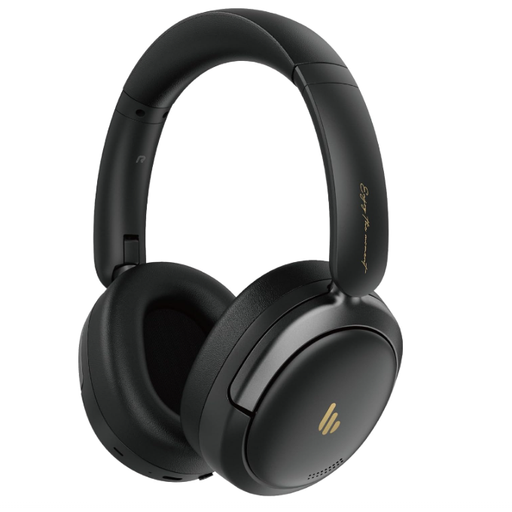
Edifier Atom Max foldable over-ear headphones

Edifier Atom Max

An option if you want to combine ANC with a foldable design for travelling.

The product information lists hybrid ANC, a foldable design, Bluetooth 5.4 and up to 45 hours of playback.

View at Joybuy
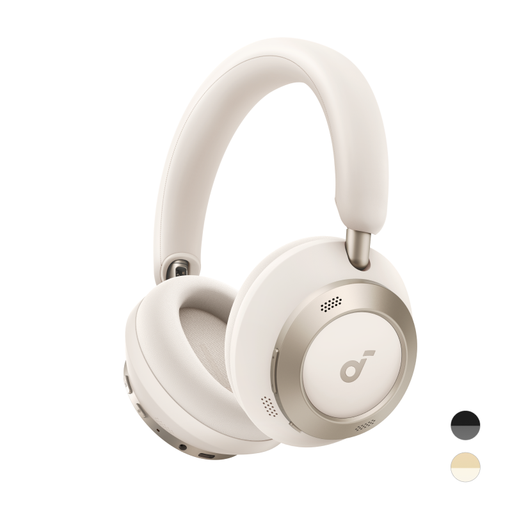
Soundcore by Anker Space One Pro

Soundcore by Anker Space One Pro

A foldable over-ear option if ANC and compact storage are important to you.

The product information lists adaptive ANC, LDAC and a foldable design.

View at Joybuy

Bose QuietComfort Ultra Headphones, second generation, black

Bose QuietComfort Ultra Headphones (2nd Gen), black

An option if you want to combine ANC with a detachable cable.

The product information lists Bluetooth 5.4 and a detachable cable with USB-C and 3.5mm connections. The instructions recommend charging fully for optimum use.

View at Joybuy

Frequently asked questions

Do I need active noise cancellation to pick out a guitar solo on a plane?

No. Closed-back studio headphones can also provide passive isolation. ANC is mainly worth considering if low engine rumble bothers you. For a specific model, compare its sound quality and measured noise reduction too, not just whether it has the feature.

How do I connect my headphones to the in-flight entertainment system?

First, check the connection on the system you’ll actually be using. KLM recommends wired headphones for its in-flight entertainment system and suggests using a Bluetooth adapter if you want to use Bluetooth headphones with it. This advice applies to KLM and isn’t a guarantee for every flight or seat.

How should I look after my headphones during and after the trip?

Store a foldable model in the supplied case, if one comes with the version you’ve chosen, and check whether suitable ear pads are available. The manufacturers list replaceable ear pads for the DT 770 PRO 32 ohm and the HD 280 PRO.

How can I avoid turning the music up too loud?

Use well-fitting headphones and don’t try to drown out cabin noise by turning up the volume. The World Health Organization gives an average of 80 dB for up to 40 hours a week as an example of safe listening; at higher sound levels, safe listening time decreases. Your device’s volume setting doesn’t directly tell you the dB level.

Can I use my playback device throughout the flight?

There isn’t a definitive answer that applies to every flight. According to the EASA guidance consulted, an airline may restrict the use of portable electronic devices; the FAQ cited dates from 2013. Follow the latest instructions from your airline and the cabin crew.

Who should I contact if headphones bought in the Netherlands are faulty?

According to the Dutch government, if a product is faulty, the retailer—not the manufacturer—must provide a solution. The Netherlands doesn’t have a fixed statutory two-year guarantee for every product; what you can expect depends, among other things, on the product, its price and the information provided.
