
Attentive listener of spoken content
You want to follow quiet words and names in recorded lectures. Assess speech separately from music or noise cancelling; the Consumers' Association also includes speech clips in its headphone tests.


Start with headphones that make spoken words easy to follow, feel comfortable to wear and let you listen without disturbing others. Closed-back, wired over-ear headphones may suit you if your device has the right connection and you don’t want to charge a battery. Wireless listening or noise cancelling is more relevant if freedom of movement, switching between devices or background noise matters to you.
You want to follow quiet words and names in recorded lectures. Assess speech separately from music or noise cancelling; the Consumers' Association also includes speech clips in its headphone tests.
You’re listening at a shared reading table and want to avoid others hearing your audio. Consider how well the headphones seal, as well as the volume you listen at.
You wear your headphones for a whole lecture and want to minimise pressure on your ears or glasses. Fit is personal, so try the model yourself if possible. The Consumers' Association notes that over-ear models are often comfortable for longer listening sessions.
First, check that you can follow speech clearly and that the headphones feel comfortable. Then choose between wired and wireless listening. Finally, consider whether noise cancelling will make a difference to the background sounds that genuinely distract you.
| What to consider | What to look for when buying | Who is this most important for? |
|---|---|---|
| Clarity of spoken content | Listen to a speech clip at a comfortable, low volume; don’t base your choice on music reviews alone. | I want to follow quiet words and place names clearly. Around 36% of consumers put the clarity of spoken content first. |
| Avoiding disturbing others | At your usual low volume, check whether someone sitting next to you can hear anything; a good seal alone doesn’t guarantee they won’t. | At a shared reading table, I want to listen without disturbing others. Around 29% of consumers prioritise causing as little disturbance as possible. |
| Comfort | If possible, try them on with your own glasses and check for pressure from the headband and ear cushions. | If I’m listening to a whole lecture, I want to minimise pressure on my ears or glasses. Around 21% of consumers prioritise long-wearing comfort. |
| Connection and charging | Check the output on your phone, tablet or laptop. Only compare battery life when the noise-cancelling setting is the same. | I want a connection that works with my device, or I don’t want to have to charge my headphones while listening. Around 14% of consumers make connection convenience or uninterrupted use their top priority. |
Noise cancelling and speech clarity are two different things. The Consumers' Association mainly describes how well headphones reduce low-frequency hum; that doesn’t necessarily tell you how a recorded lecture will sound.
Compare a speech clip at a low volume, and assess noise cancelling separately based on the sounds that actually bother you.
Sony states that the WH-CH720N offers up to 35 hours with noise cancelling on and 50 hours with it off. JBL states that the Tune 770NC offers up to 70 hours with Bluetooth on and noise cancelling off.
Only compare battery life figures under the same settings you plan to use.
Wired headphones will only connect directly if their plug matches your playback device. The Sennheiser HD 569 comes with cables that have different plugs.
Check your device’s output and the cables included before buying.
If the plugs aren’t compatible, you may need a suitable adapter.
A description of sound isolation doesn’t measure what someone sitting next to you can hear. Amsterdam Public Library asks visitors not to disturb others with loud sounds; rules may vary between branches.
At your usual low volume, check whether any sound can be heard, and look up the rules at the library where you plan to listen.
The WH-CH720N are closed-back, wireless over-ear headphones with noise cancelling, an ambient sound mode and an analogue input.
The Tune 770NC are wireless over-ear headphones to compare if multipoint, an ambient sound mode and a foldable design matter to you.
The HD 569 are closed-back, wired over-ear headphones with detachable cables for different connections.
The Space One are wireless headphones with noise cancelling to compare if adjustable transparency is useful to you.
The Joybuy products below focus on wireless listening, with headphones and compact earbuds. Compare the features, fit and usage conditions that matter for your lecture with each model.
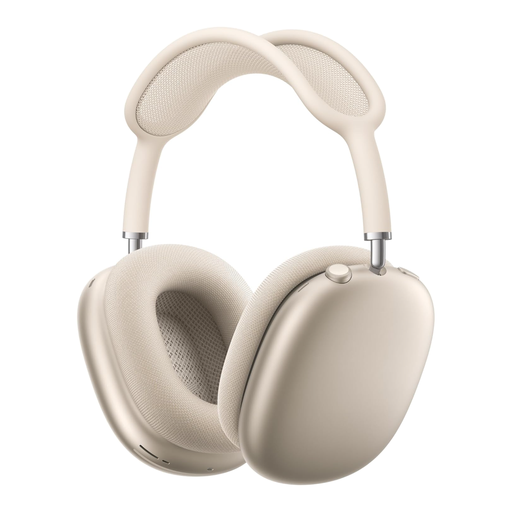 No image available
Before a long lecture, try them on to see whether the fit and controls work for you.
 No image available
Compare the fit and controls with what you need for a full lecture.
The product name mentions noise cancelling and 60-hour battery life; check which usage settings this battery life applies to.
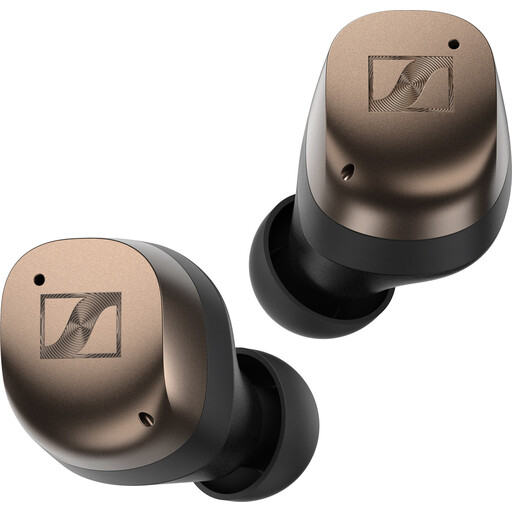 No image available
These compact earbuds are an alternative to compare if you need to save space in your bag; check for yourself whether they fit comfortably.
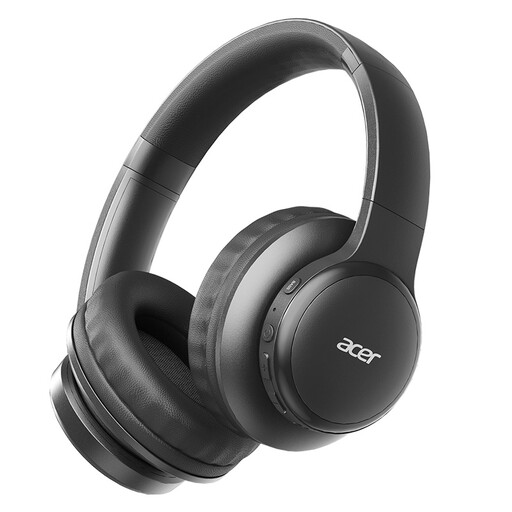 No image available
A wireless option to compare if you want to listen without a cable; check whether they’ll be comfortable for a long lecture.
The product name mentions Bluetooth 5.3, a Type-C charging port and a foldable design.
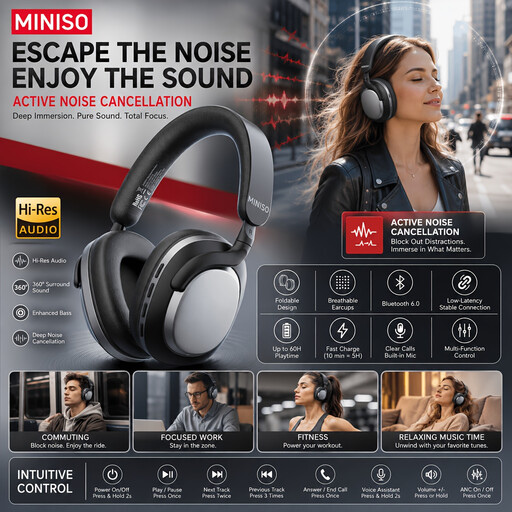 No image available
Compare these wireless over-ear headphones with your requirements for speech clarity and comfort; assess these separately from noise cancelling.
The product name mentions noise cancelling and 24-hour battery life; check which settings this battery life applies to.
Not necessarily. First, consider whether background noise genuinely bothers you, and assess speech clarity separately. The Consumers' Association mainly describes low-frequency hum as the kind of sound noise cancelling can reduce.
Check in advance that the connection works with your device, or charge a wireless model. Compare battery life using the same noise-cancelling setting: Sony and JBL list different usage conditions for the models mentioned.
Start at a low volume and take breaks. The World Health Organization recommends, among other things, not setting your device above 60% of its maximum volume. Listening time and how often you’re exposed to loud sounds also matter.
No. Extra cover is optional: according to the Dutch government, you have statutory rights if a product isn’t as it should be. There’s no fixed statutory time limit in the Netherlands; what you can reasonably expect from a product depends, among other things, on the product and how it’s used. If a product is faulty, contact the retailer.
Check the house rules at the branch where you plan to listen. For example, Amsterdam Public Library asks visitors not to disturb others with loud sounds; these branch rules don’t automatically apply to every library.