
Listening to speech in a noisy cabin
This listener wants to follow lectures on local history without having to keep turning up the volume to drown out engine noise. They compare speech reproduction, sound isolation and noise cancelling.


For listening to lectures on a long flight, over-ear headphones with noise cancelling are worth considering if you’ll mainly be listening from your own phone or tablet. Pay particular attention to speech reproduction and fit. If you also want to use the in-flight entertainment system, check the connection beforehand and whether the right cable will work: KLM recommends wired headphones in Economy Class and mentions a Bluetooth adapter for passengers using their own Bluetooth headphones. Noise cancelling can help you avoid constantly turning up the volume, but it doesn’t automatically make headphones suitable for every connection or flight.
This listener wants to follow lectures on local history without having to keep turning up the volume to drown out engine noise. They compare speech reproduction, sound isolation and noise cancelling.
This listener wears their headphones for hours at a time and considers pressure around the ears, how they fit with glasses and battery life with their chosen settings.
This listener wants to use their own recordings and possibly the in-flight entertainment system, so they check the cable, plugs and on-board connection.
Start with your audio source: if you mainly listen to your own recordings, compare speech reproduction, fit and noise cancelling. If you also want to use the seat-back screen, first check the on-board connection and which cable or adapter you’ll need.
| What to consider | What to look for | Who should prioritise this? |
|---|---|---|
| Hearing speech over cabin noise | Compare listening tests using speech samples and assess speech separately from music. Also test the seal and ANC controls. | If I want to follow a lecture in a noisy cabin, I need to hear voices clearly without constantly turning up the volume. Around 36% of consumers therefore prioritise clear speech. |
| Comfort over hours of listening | Try the headphones with your own glasses and pay attention to pressure from the headband and ear cushions; a quick try-on won’t tell you everything about long-term comfort. | When listening for a long time, I want to avoid pressure around my ears or my glasses making the fit uncomfortable. Around 29% of consumers put long-wearing comfort first. |
| Connection to your audio source | Decide whether you’ll use your own device, the seat-back screen or both. Check the cable, plugs and flight information for the aircraft type you’ll be travelling on. | If I want to switch between my own lectures and the seat-back screen, the connection needs to work with both sources. Around 21% of consumers prioritise source compatibility. |
| Battery life during the journey | Compare the stated battery life with ANC switched on and check whether you can listen using a cable when the battery is flat; don’t assume every seat has a charging port. | For anyone who wants to listen wirelessly for hours, it matters whether the battery will last the journey or there’s a practical alternative. Around 14% of consumers prioritise battery reliability. |
Connections and facilities can vary by flight and aircraft type. KLM recommends wired headphones in Economy Class and mentions a Bluetooth adapter for passengers who want to use their own Bluetooth headphones.
Before you travel, check your airline’s information and whether your headphones will work with the connection you intend to use.
Depending on the connection, you may need a suitable audio cable or Bluetooth adapter.
Battery life depends on conditions and settings. JBL states that the Tune 770NC offers up to 70 hours with Bluetooth on and ANC off, and up to 44 hours under other conditions.
Compare battery life using the same settings and charge your headphones before you leave.
Speech reproduction, noise cancelling and fit are separate things to consider. ANC alone doesn’t prove that a model reproduces spoken lectures more clearly.
Compare tests using speech samples, try the fit and keep the volume no higher than necessary. The World Health Organization recommends well-fitting headphones and noise cancelling to reduce the need to turn up the volume in a noisy environment.
The WH-1000XM6 and WH-1000XM4 are worth comparing if noise cancelling and wired listening are important to you.
The MOMENTUM 4 Wireless is worth comparing if long stated battery life and adjustable sound are important to you.
The QuietComfort Ultra Headphones (2nd Gen) are worth comparing if you want the option of using an analogue audio cable.
The REAL BLUE PRO is an over-ear option with ANC and an audio cable included.
The Tune 770NC is worth considering if foldability and stated battery life are important to you.
This selection features wireless over-ear models. Compare the features and connections available for each version with your listening plans and the facilities on your flight.
 No image available
Worth comparing if long wireless listening time is important; assess the fit and speech clarity separately.
Sennheiser states that it offers up to 60 hours of playback on a full charge. Check whether the audio cable you need is included with this version.
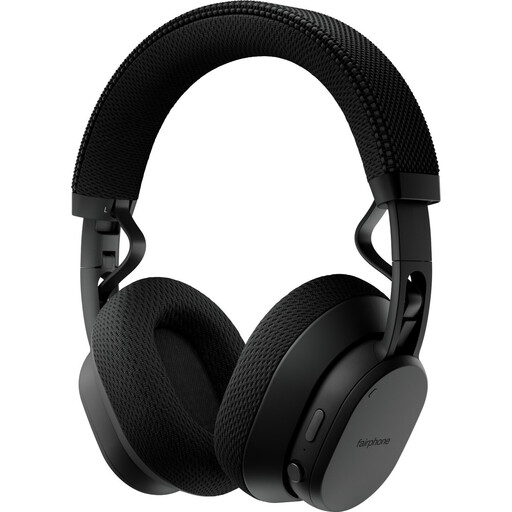 No image available
Compare this model if over-ear headphones with noise cancelling suit your listening plans; check battery life with ANC on and the connections available for your flight.
 No image available
If you want to listen from a Bluetooth device, check whether its use is permitted on board and whether you’ll need a suitable cable for the seat-back screen.
 No image available
The product name describes wireless headphones with noise cancelling. Compare speech reproduction and fit separately, and check battery life with ANC switched on.
 No image available
Worth comparing if you want the option of listening wirelessly or with a cable; check that the cable is compatible with your chosen audio source.
Bose states that it offers up to 30 hours of use and comes with a 3.5 mm to 2.5 mm cable. This version is supplied without a charger; the product information specifies a charging output of 1.8–2.5 W and no support for PD fast charging.
That depends on your airline’s policy and the instructions on board. EASA lets airlines decide when electronic devices can be used, so check in advance what applies to Bluetooth and flight mode on your flight.
Don’t assume they will without checking. KLM recommends wired headphones in Economy Class and mentions a Bluetooth adapter for passengers using their own Bluetooth headphones. Check the connection available on your flight and whether your headphones work with a suitable audio cable.
EASA recommends carrying portable electronic devices with lithium batteries in your hand luggage. Spare batteries and power banks should also be carried in hand luggage, according to EASA. Check your airline’s baggage instructions too.
In the Netherlands, statutory consumer rights apply if a product doesn’t meet the standards you could reasonably expect; there is no fixed statutory guarantee period of two years. If your claim is valid, the seller must provide a solution. Normal wear and tear or damage caused by you isn’t automatically covered by free repairs.
Keep the volume as low as you can while still enjoying your listening, and use well-fitting headphones. ANC can help reduce the need to turn up the volume in a noisy environment. The World Health Organization recommends a good fit and noise cancelling as ways to reduce that need.