
Listening in a noisy environment
You want to follow spoken explanations without constantly turning up the volume. Consider speech clarity, fit and noise cancellation.


Choose based on where you listen and where your audio files are stored. For lectures in noisy places, closed-back headphones with noise cancellation can help, while wired open-back headphones may suit quiet listening at home if your device has a compatible connection. Standard Bluetooth headphones play files from a paired phone or computer. To listen without one, you’ll need headphones with built-in storage and a compatible playback mode. Open-ear headphones or an ambient mode are another option if you want to remain aware of surrounding sounds.
You want to follow spoken explanations without constantly turning up the volume. Consider speech clarity, fit and noise cancellation.
You listen in a quiet room and are mainly looking for a comfortable fit and a connection that suits your playback device.
You want to know whether recordings stay on your phone or can be transferred directly to your headphones, and you may want to remain aware of surrounding sounds.
Choose this option: if you listen to lectures on your phone or computer in a noisy place.
Bear in mind: battery life depends on the ANC setting. Check whether you can quickly switch to ambient sound if you need to stay aware of people around you.
Choose this option: if you listen at home in a quiet room, don’t want to manage a headphone battery and your audio source has a compatible connection.
Bear in mind: an open-back design doesn’t block out surrounding noise, and the cable limits where you can listen.
Choose this option: if you want to remain aware of surrounding sounds while listening to a lecture played from a paired device.
Bear in mind: the open design won’t block out noise, and it doesn’t automatically make listening in traffic safe.
Choose this option: if you want to play your own audio files without a phone or computer.
Bear in mind: check which file formats are supported and how to transfer files. Battery life may vary depending on the playback mode.
| What to consider | What should you check? | Who is this most relevant to? |
|---|---|---|
| Following speech in background noise | Listen to a speech sample and assess clarity and noise reduction separately. Also check whether you can pause quickly or switch to ambient sound. | If I want to follow technical terms on a train or in a shared space, I prioritise speech clarity. Around 29% of consumers say this is their top priority. |
| Comfort during long lectures | If possible, try the headphones on with your glasses and pay attention to the headband and ear cushions. | During long listening sessions, I want the fit to stay comfortable, even with glasses. For around 24% of consumers, long-lasting comfort comes first. |
| Local files without a paired device | Check where your files are stored. For standalone playback, check the storage capacity, transfer method and supported formats. | If I want to listen to my own recordings on the go without my phone, I look for headphones that can store and play files themselves. Around 18% of consumers put this first. |
| Staying aware of surrounding sounds | Compare an open-ear design with an ambient mode. Keep the volume at a sensible level in traffic and don’t use your phone while driving. | If I want to stay aware of people around me or notice nearby sounds, I may accept less noise isolation. Around 18% of consumers prioritise awareness of their surroundings. |
| Listening without relying on the headphone battery | Check that your audio source has the right connection and that the exact model variant works passively with a cable. | For long listening sessions, I don’t want to rely on the headphone battery, so I check that a cable really works with my audio source. Around 11% of consumers put this first. |
With standard Bluetooth audio, your phone or computer usually plays the file and sends the sound to your headphones. Standalone playback requires a documented storage and playback mode.
Before buying, decide where your lectures are stored and whether you want to listen without that device.
Transferring files takes time; with standard Bluetooth playback, you’ll still need a phone or computer.
Claimed battery life can vary by setting. A maximum figure doesn’t necessarily tell you how long the headphones will last with ANC switched on.
Only compare figures for the same ANC setting, and bear in mind that your own listening sessions may differ.
A cable input and passive operation depend on the model. Sony lists passive operation for the WH-CH720N, but no audio input or passive operation for the WH-CH520.
Check the exact model variant, whether it works passively and whether it’s compatible with your audio source.
An open design or ambient mode won’t ensure you hear every traffic sound; noise cancellation may actually reduce the sounds around you.
Choose according to the situation, keep surrounding sounds audible and don’t handle a device while driving.
The WH-CH720N is a closed-back over-ear model with Bluetooth, active noise cancellation and the option to use it passively with a cable.
The Tune 770NC is a foldable wireless over-ear model worth comparing if you need noise cancellation, an ambient mode and a connection to two devices.
The wired, open-back HD 560S is an alternative for listening in a quiet room with an audio source that has a compatible connection.
The OpenRun Pro 2 is an open-ear Bluetooth option; the OpenSwim Pro is a separate model with built-in storage for your own files.
These models are aimed at listening to lectures from a paired device, with an additional option for playing stored files independently.
 No image available
An option for listening to lectures from a paired phone or computer if you’re looking for closed-back headphones with noise cancellation.
The product title describes wireless over-ear headphones with noise cancellation, fast charging and four microphones.
 No image available
Suitable for listening from a paired device. Check the connection and whether it works with a cable if you also want to listen without relying on the headphone battery.
The product title lists Bluetooth and the black finish.
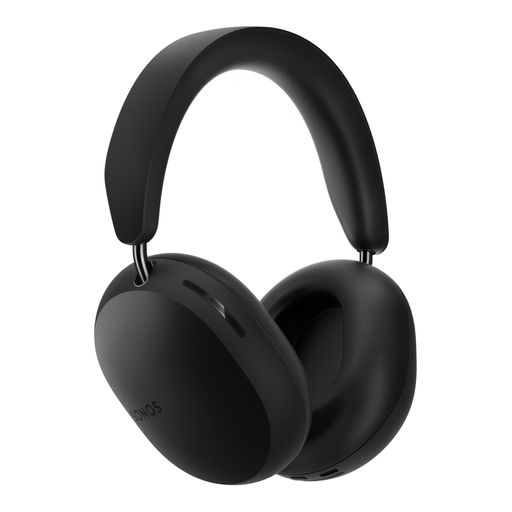 No image available
An option to compare for listening to lectures from a paired Bluetooth source. Check that the connections and features suit where you listen.
The product title lists a black over-ear Bluetooth headset.
 No image available
For listening to lectures from a paired device in a noisy place; assess speech clarity separately from noise cancellation.
Sony Netherlands lists up to 35 hours of battery life for the WH-CH720N with NC on, and 50 hours with NC off. The product title mentions fast charging.
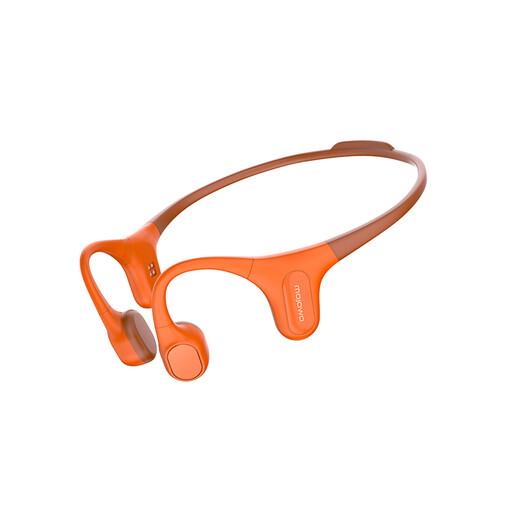 No image available
An option if you want to play your own audio files without a paired phone and are looking for an open-ear design.
The product title lists 32 GB of built-in storage, an MP3 player and Bluetooth. Check that the file formats used for your lectures are supported.
Yes, if your phone or computer plays the file and sends the audio to the paired headphones. Bluetooth alone doesn’t mean that the headphones store files. To listen without a source device, check that the model has built-in storage and a suitable playback mode.
For the OpenSwim Pro, Shokz explains that you connect the headphones to a computer, copy files to the ‘SWIM PRO’ drive and safely eject the device. Check beforehand that your recordings are in a supported format; this process is specific to the model.
Noise cancellation can help you avoid turning the volume up further and further, but it doesn’t guarantee that speech will sound clear to you. The World Health Organization lists well-fitting, noise-cancelling headphones as a way to reduce the need for higher volume in noisy surroundings. So assess speech clarity and noise reduction separately.
It depends on the exact model. Sony lists passive operation for the WH-CH720N, but not for the WH-CH520. Also check that the connection is compatible with your playback device.
For eligible online consumer purchases, you’re generally entitled to a 14-day cooling-off period from delivery; check beforehand whether an exception applies. You’re also entitled to a legal guarantee if a product used normally doesn’t meet what you could reasonably expect. The retailer is your point of contact.