What should you look for?
Start with how clearly you can hear your own recording, then weigh up background noise, staying in touch with others and wearing comfort.
| What to consider |
What should you look for? |
Who is this important for? |
| How clearly you can hear your recording |
Compare a softly spoken passage with a busier one at a comfortable volume; check that it’s easy to pause and replay them. |
If I need to learn words, intonation and cues from my own recording, I want to be able to follow them clearly without turning the volume up unnecessarily. Around 36% of consumers put dialogue clarity first. |
| Background noise |
Adjust the headphones and, if possible, compare listening with noise cancelling switched on and off where you study. |
In a noisy study space, I want to follow the recording without constantly turning up the volume. For around 29% of consumers, blocking out background noise is their main concern when buying. |
| Staying in touch with the group |
Try pausing playback and, if your headphones have the feature, switching on ambient mode. |
Just before rehearsal, I want to be able to stop listening quickly and talk to the group again. Around 21% of consumers prioritise being able to stay connected at that point. |
| Comfort and connectivity |
Check the pressure from the headband and ear cups; make sure the plug or wireless connection works with your playback device. |
When preparing for a longer session, I want a fit that stays comfortable and a connection that works with my phone or computer. Comfort and connectivity matter most to around 14% of consumers. |
Joybuy products
These Joybuy picks focus on wireless headphones for preparing dialogue, with noise cancelling or other features that may suit listening somewhere with background noise.
 Image unavailable
Sennheiser MOMENTUM 4 Wireless, Black
May suit you if you’re looking for wireless over-ear headphones with noise cancelling; use your own dialogue recording to check whether voices remain clear at a comfortable volume.
Wireless over-ear headphones with noise cancelling, according to the product name.
View at Joybuy
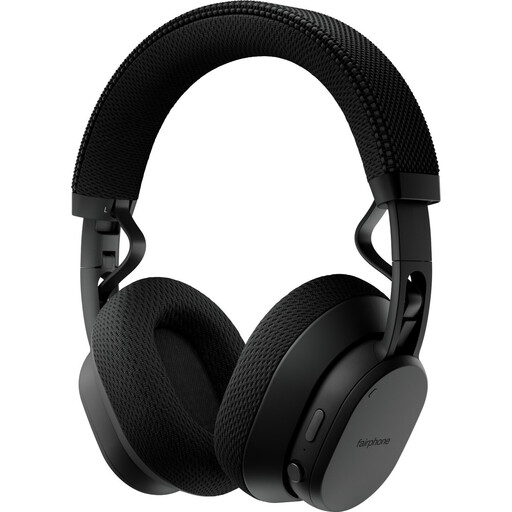 Image unavailable
Fairphone Fairbuds XL 2025, Black
If you’re preparing dialogue somewhere with background noise, use your own recording to test whether voices remain clear at a comfortable volume. Also check how to pause your listening and reconnect with others before rehearsal.
View at Joybuy
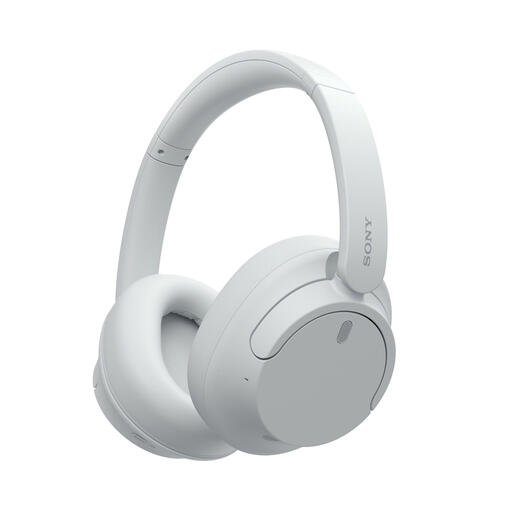 Image unavailable
Sony WH-CH720N, White
May be suitable for listening somewhere with background noise; use your own dialogue recording to check that voices still sound clear and comfortable.
Wireless Bluetooth headphones with noise cancelling, according to the product name.
View at Joybuy
 Image unavailable
Sonos ACE, Black
If you want to switch quickly from listening to talking with the group at rehearsal, try pausing playback in advance and see how comfortable the headphones feel.
Over-ear Bluetooth headphones, according to the product name.
View at Joybuy
 Image unavailable
Sony WH-1000XM5, Silver
May suit you if you study dialogue somewhere with background noise; check how clearly you can hear it using your own recording, and make sure the controls are easy to use.
Wireless headphones with noise cancelling, according to the product name.
View at Joybuy
Frequently asked questions
Do you need noise cancelling to learn quiet lines?
Not necessarily. First, listen to your own recording at a comfortable volume; noise cancelling can be particularly useful somewhere noisy. A good fit may also help you avoid turning the volume up repeatedly.
How do you get your headphones ready for when the group gets together?
Pair them with your playback device beforehand and try pausing, then switching on ambient mode if that feature is available. Also check how easily you can talk to someone again; the controls vary by model.
How can you listen safely if you replay dialogue often?
Keep the volume low and take regular listening breaks. The World Health Organization gives the example of a maximum of 40 hours a week at an average of 80 dB, and four hours at 90 dB. This example doesn’t mean that a particular volume setting on every pair of headphones corresponds to a specific dB level.
What are your rights if you’re unhappy with headphones bought online or they’re faulty?
For online purchases in the Netherlands, you generally have a statutory 14-day cooling-off period after delivery; exceptions may apply to certain purchases, according to ACM ConsuWijzer. If a product doesn’t meet requirements, the retailer must offer a solution, according to the Dutch government. A paid extended warranty doesn’t replace your statutory rights.
What product regulations apply to wireless headphones in the Netherlands?
The Radio Equipment Directive provides a regulatory framework for radio equipment placed on the EU market, as explained by the European Commission. These product rules don’t mean that every buyer should choose a wireless model.


