If you mainly want to follow spoken lessons, start with well-fitting, closed-back over-ear headphones with adjustable noise cancelling. Choose in-ear earbuds if a headband feels uncomfortable, or prioritise an easy-to-access ambient mode and a suitable microphone if you also want to speak or record your voice. Sony Netherlands explains that noise cancelling works best with constant low- to mid-frequency sounds, so changing voices may still be audible. Try the headphones with spoken lesson material, and check the fit, battery life with noise cancelling on, and connection to your learning device.
Who are wireless headphones for language lessons at home suitable for?
Listening in a noisy room
You want to follow spoken lessons without constantly turning up the volume. Pay attention to how well the ear cushions or earbuds fit, and how much of the voices at home you can still hear. Sony Netherlands explains that noise cancelling works best with constant ambient noise.
Studying at home for long periods
You take longer sessions and want to know whether a headband, ear cushions or in-ear earbuds will stay comfortable. The Consumers' Association highlights wearing comfort when assessing headphones.
Joining in and staying connected
You do speaking exercises or want to be able to hear other people at home in between. Check the ambient mode, which microphone your learning app uses, and how the headphones work with your phone or laptop.
What should you look for in headphones for language lessons?
| What to consider |
What to look for |
Who is this most important for? |
| Speech clarity |
Try spoken lesson material with noise cancelling both on and off. Check the fit and listen at a comfortable volume. |
If I take lessons while there’s noise at home, I want to hear the tutor without constantly turning up the volume. Around 36% of consumers prioritise speech clarity. |
| Wearing comfort |
Assess pressure, warmth and fit during a longer session. If possible, try the style you’ve chosen. |
For people who study for long stretches, a comfortable fit matters more than a compact design alone; around 29% give long-term wearing comfort top priority. |
| Joining in and hearing your surroundings |
Check whether you can switch quickly between noise cancelling and ambient mode, and which microphone your learning app uses. |
If I’m recording my voice or want to respond to people at home, I look for controls and microphone features that work with my learning device. Around 21% of consumers prioritise joining in and staying connected. |
| Battery life and switching between devices |
Compare the stated battery life with noise cancelling switched on in the same mode. For earbuds, check the listening time per charge separately from the charging case. |
For people who don’t want lessons interrupted by charging and switch between learning devices, ease of use matters; around 14% prioritise battery life and device use. |
Noise cancelling can help with persistent background noise, but it won’t automatically block out changing voices. The World Health Organization recommends well-fitting noise-cancelling headphones to help reduce the tendency to turn up the volume in noisy environments.
Buying pitfalls when choosing headphones for language lessons
-
Expecting noise cancelling to block out every conversation
Changing voices may still be audible, even when noise cancelling is switched on.
Try the fit with spoken lesson material and the kind of household noise you want to reduce.
-
Mistaking earbuds’ total battery life for one uninterrupted listening session
Total listening time may include extra charges from the case. You can’t wear your earbuds while they’re charging.
Check the listening time per charge with noise cancelling switched on, using the mode you plan to use during lessons.
-
Confusing an extended warranty plan with your statutory rights
Paying for an extra plan doesn’t automatically give you more rights than you already have. In the Netherlands, statutory consumer rights depend in part on what you can reasonably expect from the product.
Compare the terms of an extended plan with your statutory rights before paying for it. The Government of the Netherlands says to contact the seller if a product is faulty.
Wireless headphone brands to consider
Sony
The WH-CH720N is an over-ear model with noise cancelling and ambient mode; the WF-C710N is an in-ear alternative with noise cancelling.
- Sony Netherlands lists up to 35 hours of music playback with noise cancelling on for the WH-CH720N, and up to 8.5 hours per charge with noise cancelling on for the WF-C710N.
- These are stated music playback times, not measurements taken during language lessons. You’ll need to assess the fit and speech clarity for your own use.
JBL
JBL says the Live 780NC combines noise cancelling, ambient mode, multipoint connectivity and microphones for calls.
- The listed app controls and multipoint connectivity are worth considering if you use multiple devices for lessons and calls.
- JBL’s claims about call clarity or noise filtering aren’t independent measurements of performance during lessons in a noisy home.
Sennheiser
The ACCENTUM Wireless is an over-ear model with hybrid noise cancelling, transparency mode and a podcast mode.
- Sennheiser lists up to 50 hours of use with noise cancelling switched on.
- Battery life and comfort descriptions are manufacturer information or claims; your personal fit is still what matters.
Philips
The TAH8507BK/00 is an over-ear model with noise cancelling, awareness mode and a detachable microphone.
- These features may be useful for spoken lessons and when you want to hear what’s happening around you.
- Philips marks this model as discontinued; the product information is included here only as an example of features, not as confirmation that it’s currently available to buy.
Wireless headphones and earbuds for language lessons at Joybuy
This selection includes wireless over-ear models and in-ear earbuds for lessons at home, with a range of features for noise cancelling, ambient sound and calls. Check which features and fit are right for your learning device and how you plan to use them.
 No image available
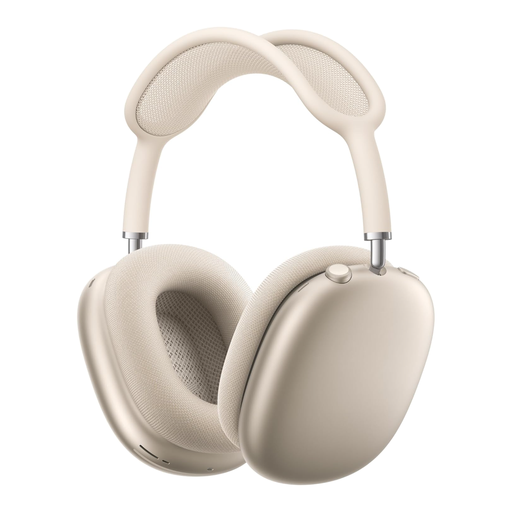
AirPods Max 2 – Starlight
Wireless over-ear headphones for anyone who wants the option of letting in ambient sound during lessons.
Active noise cancelling and transparency mode.
Joybuy
 No image available
Sennheiser MOMENTUM 4 Wireless – Black
Wireless over-ear headphones for lessons where you want to combine noise cancelling with the option of letting in ambient sound.
Adaptive noise cancelling, transparency mode and four beamforming microphones.
The product name specifies 60 hours of battery life and fast charging.
Joybuy
 No image available
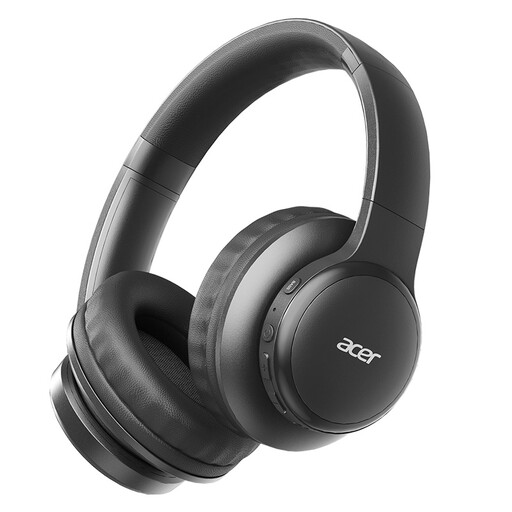
Acer OHR559
Wireless headphones to consider if you also want to use the microphone during lesson calls.
Bluetooth 5.3, a foldable design and HD Voice Calls, according to the product name.
Joybuy
 No image available
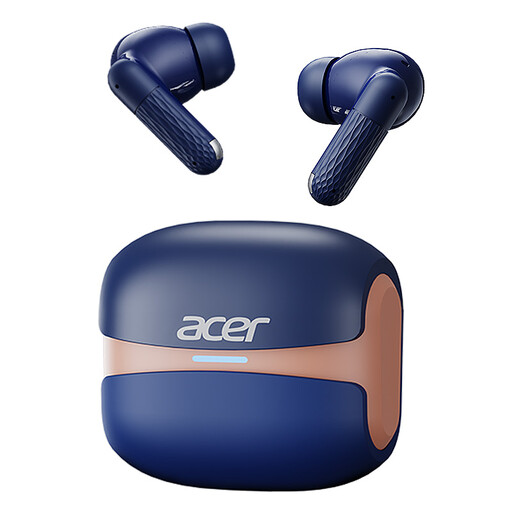
Acer OHR548
An in-ear alternative if you’d rather not wear a headband; check whether the earbuds stay comfortable.
Bluetooth 5.4 and noise cancelling for calls, according to the product information.
Charging case with USB-C connection.
Joybuy
 No image available
Samsung Galaxy Buds4 Pro
In-ear earbuds with active noise cancelling for anyone who doesn’t want an over-ear headband; check whether the fit suits you.
The product information lists six microphones and up to 6 hours of playback with noise cancelling switched on.
Joybuy
Frequently asked questions about headphones for language lessons
Does noise cancelling make the voices of other people at home inaudible?
No, voices may still be audible. Sony Netherlands says noise cancelling works best with constant low- to mid-frequency sounds, so pay attention to the fit and how well the headphones physically seal around your ears.
How can you keep the listening volume down during daily lessons?
Keep the volume comfortable and try not to keep turning it up to drown out background noise. The World Health Organization suggests a maximum of 60% of your device’s volume as a practical setting, but the same setting won’t produce the same sound level on every pair of headphones.
What should you check for spoken lessons and calls?
Connect the headphones to the device you use for lessons and check which microphone is selected in the learning app. If you use two devices, see whether the model supports multipoint connectivity and test whether switching between them works with your setup.
How do you compare the battery life of headphones and earbuds?
Compare the battery life per charge with noise cancelling switched on in the same mode. For wireless earbuds, the total listening time may include charges from the case; you can’t wear them while they’re charging.
What cooling-off period and warranty apply when buying online in the Netherlands?
When you buy online from a business, you’ll often have 14 days to change your mind; check the terms that apply to your purchase. There’s no fixed statutory warranty period in the Netherlands: what you can expect from a product depends, among other things, on the product and how it’s used. The Government of the Netherlands says to contact the seller if a product is faulty.


