
Listener sharing a room
You’re practising with a recording while someone else in the same bedroom is sleeping, reading or working. In this situation, sound leakage and isolation matter more than a wider soundstage.


In a shared bedroom, closed-back headphones are usually the best place to start, as they can help reduce outside noise and sound leakage. Choose a wired model if you mainly want to listen back to recordings without managing a battery, or consider ANC if background noise distracts you. ANC won’t automatically make conversations inaudible, nor will it prevent sound leakage by itself. Open-back headphones are best suited to a quiet room where the other person is happy to hear some sound.
You’re practising with a recording while someone else in the same bedroom is sleeping, reading or working. In this situation, sound leakage and isolation matter more than a wider soundstage.
You listen to passages repeatedly to pick out instruments, timing and detail. Think about the shared space before deciding on the sound presentation you prefer.
You wear headphones for long periods and want to choose between a wired model that doesn’t need charging and wireless listening with a comfortable fit.
First decide how much sound the other person in the room can hear. Then consider whether you mainly need a wired connection, wireless freedom or reduced background noise.
| Consideration | What should you check? | Who should consider this? |
|---|---|---|
| Sound leakage and your housemate | Closed-back ear cups are usually best; check the fit and, if possible, see whether the other person can hear your recording. | If my housemate is sleeping, reading or working while I listen, I want to make sure they can’t hear my recording. Around 33% of consumers prioritise reducing sound leakage. |
| Details in the improvisation | If possible, listen to a familiar recording and assess instrument separation and stereo imaging; compare models under the same conditions. | If I study passages repeatedly, I want to follow the instruments and musical details without treating one specification as proof of sound quality. Around 27% of consumers give musical detail top priority. |
| Background noise | Work out whether the main distraction is a constant hum or changing speech; ANC won’t eliminate conversations completely. | When noise in the room masks quieter passages, I want fewer distractions without continually turning up the volume. Around 20% of consumers prioritise reducing background noise. |
| Comfort and connectivity | Try the fit with your glasses on and check that your playback device is compatible; compare battery life using the ANC setting you’ll actually use. | During long listening sessions, I don’t want uncomfortable pressure or interruptions caused by a flat battery or incompatible connection. Around 20% of consumers give comfort and a practical connection top priority. |
ANC is designed to reduce the noise you hear from outside. In a shared bedroom, you also need to consider what the other person can hear from your recording.
Start by looking at the ear cup design and fit. Then assess ANC based on the type of background noise you want to reduce.
At higher volumes, sound can leak from open-back headphones, even if you like their spacious presentation.
Choose this type only if the room is quiet and the other person is happy to hear some sound. Don’t turn up the volume to drown out noise in the room.
A manufacturer’s battery life figure with ANC off doesn’t describe the same usage as one with ANC on.
Compare quoted hours only when the relevant settings match, and remember that these are manufacturer figures.
The DT 770 PRO is available with different impedance ratings. Wired headphones also need a compatible connection.
Check the full variant name and the connection on your playback device before ordering.
If your playback device doesn’t have a suitable headphone output, you may need a separate adapter or another connection solution.
The ATH-M50x is a wired, closed-back option; the ATH-M50xBT2 adds wireless listening and comes with a cable.
The closed-back DT 770 PRO is a wired option, while the open-back DT 990 PRO shows why ear cup design matters in a shared room.
Sennheiser describes the open-back HD 560S as being designed for analytical listening; the closed-back HD 280 PRO is a wired option with passive isolation.
According to Sony, the WH-1000XM6 is a wireless option with ANC, multipoint and the option to listen over a wired connection.
According to the Dutch product information, the Tune 770NC is a wireless over-ear model with ANC and multipoint.
This selection includes wireless in-ear and over-ear models. Check the fit of each model and whether your housemate can hear your music; ANC alone won’t prevent sound leakage.
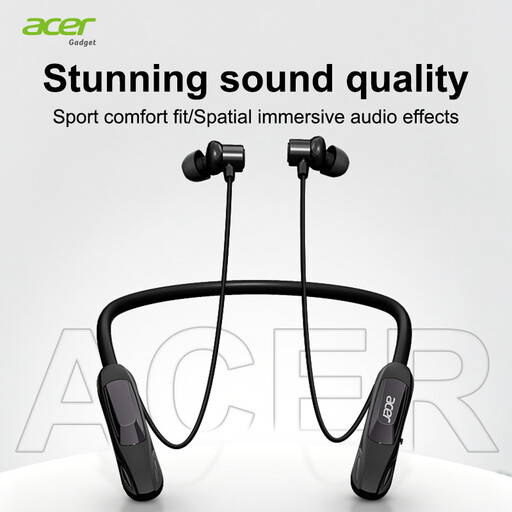 No image available
The wireless neckband design may suit you if you’d rather not use a fixed cable while studying.
Bluetooth 5.4 and a music mode are listed for this model.
 No image available
These wireless in-ear headphones may suit you if you want to use ANC and an adjustable equaliser when listening back to recordings.
The product details list ANC, Bluetooth 6.1 and a 9-band equaliser. Playback time is stated as up to 6 hours with ANC on, and up to 26 hours with the charging case.
 No image available
The closed-back over-ear design may be worth considering if you listen in a shared room, but check that the fit gives you a good seal.
The product details list ANC, Bluetooth 5.3 and an audio cable for wired listening.
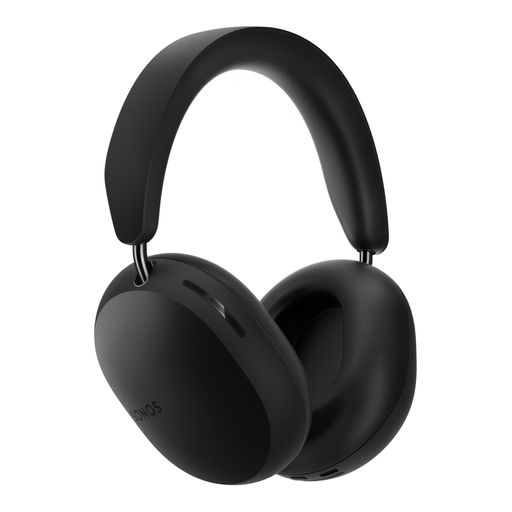 No image available
This closed-back over-ear model may suit you if you want headphones that work wirelessly or with an audio source via cable.
The product details list ANC and connections to two devices. According to the product information, Bluetooth multipoint needs to be activated in the Sonos app by registering the headphones.
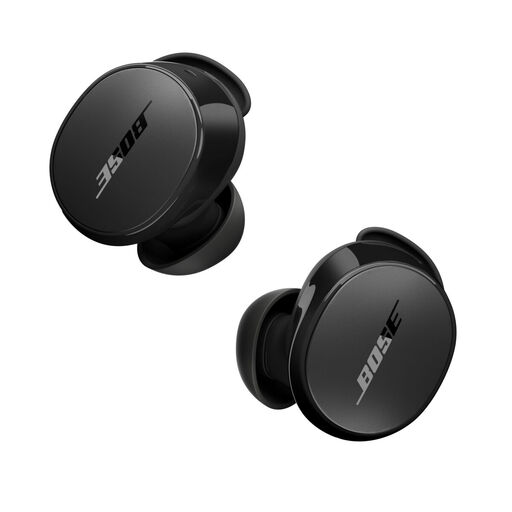 No image available
These wireless earbuds may suit you if you want ANC and adjustable EQ, but check that the in-ear fit is comfortable for your listening sessions.
The product details list Bluetooth, ANC, EQ settings via the Bose app and a stated battery life of up to 8.5 hours.
No, ANC won’t eliminate conversations completely. According to Sony, noise cancelling works best with constant sounds; changing speech may still be audible. So check the passive seal too, and don’t expect ANC alone to stop your music leaking out.
Check that your playback device has a suitable connection for wired headphones or the adapter you need. Try the fit, including with glasses, and keep the volume low, taking regular listening breaks. The WHO points out that louder sound and longer listening times increase the risk of hearing damage.
According to Business.gov.nl, online consumer purchases usually come with a 14-day cooling-off period, starting the day after delivery; statutory exceptions may apply. You’re also entitled to a product that is fit for purpose. Before buying, check the returns information and who the seller is: a commercial manufacturer’s guarantee does not replace your statutory rights.