To follow the kick, snare and cymbals more clearly while household noise is going on around you, start with well-fitting, closed-back in-ear or over-ear headphones. If you want to stay within earshot, consider open-ear headphones. Either way, test whether you can follow the track at a moderate volume and whether the controls are practical when you’re on the move.
Who are these headphones for?
The groove analyser
You want to pick out the kick, snare and cymbals separately while doing routine household chores, and replay a particular passage. Berklee Online describes breaking down a rhythm by following, for example, the kick and ride separately.
The listener who wants to stay within earshot
You want to follow your music while staying in touch with other people at home and hearing what’s going on around you. The Dutch Consumers’ Association explains that open-ear earbuds leave the ear canal clear, so you can still hear your surroundings.
The on-the-move listener
You walk, bend down and move between rooms, so a secure fit that stays put and easy-to-reach controls make listening more practical. Shokz lists physical buttons on the OpenFit 2.
What should you look for when choosing?
Closed-back over-ear
Choose this option: if you want to pick out details in a groove during quieter household tasks and don’t need to respond constantly.
Bear in mind: over-ear headphones take up more space and may let less outside noise through.
Closed-back in-ear
Choose this option: if you’re looking for a compact design for moving between rooms and want the option to switch to ambient sound.
Bear in mind: how well they seal and how comfortable they feel depend on the fit; an ambient mode doesn’t guarantee that you’ll hear every sound in your home.
Open-ear with ear hooks
Choose this option: if staying within earshot and keeping your ear canals clear are your priorities while doing the housework.
Bear in mind: household noise will still come through and can mask quieter details in your recording.
| What to consider |
What to look for |
Who is this important to? |
| Details in the groove |
Try a familiar track featuring a kick, snare and hi-hat; check that it’s easy to pause and replay it. |
If I want to listen to a bar or instrument again, I want to be able to pick out the different parts of my track. Around 28% of consumers give groove details top priority. |
| Ambient sound |
Decide which sounds you need to hear while doing your task, then test open-ear headphones or an ambient mode at a moderate volume. |
If I want to stay within earshot while listening, keeping in touch with other people at home and hearing what’s going on around me matter most. Around 22% of consumers prioritise awareness of their surroundings. |
| Fit and controls |
When walking and bending down, check that the headphones stay in place and that playback is easy to control. |
If I’m walking between rooms or bending down, I don’t want to keep adjusting my headphones. Around 22% of consumers say a secure fit while moving is their main consideration. |
| Listening volume |
Start with a comfortable setting. Use available volume features and take listening breaks rather than turning the volume up to drown out household noise. |
If background noise masks details, I don’t want to keep turning up the volume just to hear the recording. Around 17% of consumers prioritise listening at a manageable volume. |
| Battery life and cost |
Compare listening time per charge, the settings you use and any recharging you may need; decide what fits your budget. |
If I want to use my headphones for several tasks, I consider both battery life and how much I want to spend. Around 11% of consumers prioritise battery life and overall cost. |
Buying pitfalls
-
Confusing open-ear design with sound isolation
With an open design, you can still hear household noise. This can make quieter hi-hat or snare details in your recording disappear, while turning up the volume isn’t an obvious solution.
Try your own groove in the room where you’ll be listening, and start at a moderate volume. Only choose a more sealed design if you can still hear the sounds you need to notice while doing your task.
-
Comparing total battery life with a single charge
A figure that includes recharging with a case isn’t the same as continuous listening on a single charge. Settings, such as whether noise cancellation is on or off, can also affect the stated battery life.
Compare the listening time per charge with any total time including the case separately, and check which settings the manufacturer used for its figures.
-
Assuming the earbuds’ IP rating also applies to the case
JBL states that the Tune Beam 2 earbuds have an IP54 rating, but doesn’t give the charging case the same rating. A rating for one part doesn’t automatically tell you anything about another.
Check the protection rating for each part and only put the earbuds back in their case once they’re dry. Shokz also advises letting the surfaces and charging contacts of the OpenFit 2 series dry completely.
-
Mistaking a commercial warranty period for the full statutory guarantee
In the Netherlands, there’s no fixed statutory guarantee period of two years. According to the Dutch government, what you can expect from a product depends, among other things, on the product itself.
Check what an additional warranty actually covers. If a product doesn’t last as long as you’d reasonably expect, contact the seller to discuss a solution.
Brands to consider
Sony
The WH-1000XM5 is a specific example of an over-ear model with noise cancellation and a switchable ambient sound mode.
- Sony Netherlands states that you can listen to music for up to 30 hours with noise cancellation on and up to 40 hours with it off.
- These manufacturer figures don’t tell you whether the headphones will fit you comfortably or how well they’ll mask household noise while you listen to a drum recording.
Shokz
The OpenFit 2 is an open-ear option with ear hooks, designed for people who want to stay aware of their surroundings while doing the housework.
- Shokz lists physical buttons, an IP55 rating for the earbuds and up to 11 hours of use per charge.
- The open design doesn’t block household noise, but that’s no reason to turn up the volume.
Sennheiser
The MOMENTUM True Wireless 4 offers a closed-back in-ear option with different ear tips and fins, ANC, a transparency mode and adjustable EQ.
- The manufacturer describes a range of ear tip and fin sizes to help you adjust the fit.
- These features don’t prove that drum grooves will sound clearer; check the fit and compatibility with your app and audio source.
JBL
The Tune Beam 2 is an in-ear alternative that, according to JBL, offers noise cancellation and Smart Ambient, letting you switch between noise reduction and ambient sound.
- JBL explicitly states that the earbuds have an IP54 rating.
- That IP rating doesn’t automatically apply to the case. Try the fit and settings with a track you know.
Joybuy products for listening while doing the housework
This selection includes wired in-ear earbuds, closed-back over-ear headphones and open-ear earbuds, so you can compare designs and controls for listening while doing household tasks.
 No image available
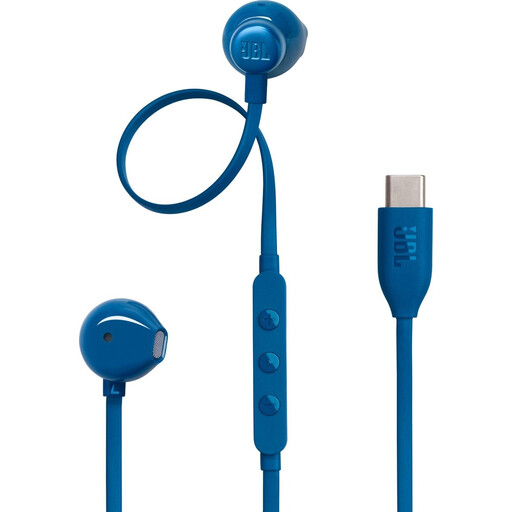
JBL Tune 305C, blue
The in-line controls can be handy if you want to pause or replay a passage while doing a task.
Wired earbuds with a USB-C connection and controls for playback, volume and EQ presets. Check that your playback device supports USB-C.
View at Joybuy
 No image available
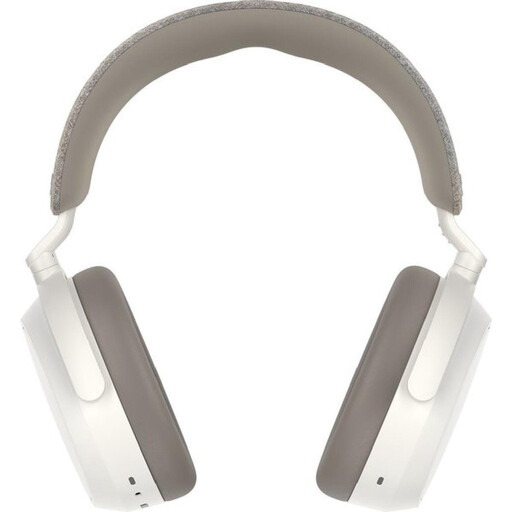
Sennheiser MOMENTUM 4 Wireless, white
An over-ear option to consider if you want to hear less ambient noise while listening.
The description lists noise cancellation, Transparency Mode, adjustable EQ and controls on the ear cup. According to the product description, the headphones aren’t water-resistant.
View at Joybuy
 No image available
Bose QuietComfort Ultra, black
An over-ear model to consider if you want to use noise cancellation to manage household background noise.
The description lists active noise cancellation, on-headphone controls and an audio cable in the box. The stated battery life is up to 24 hours; the product description advises avoiding environments with high humidity.
View at Joybuy
 No image available
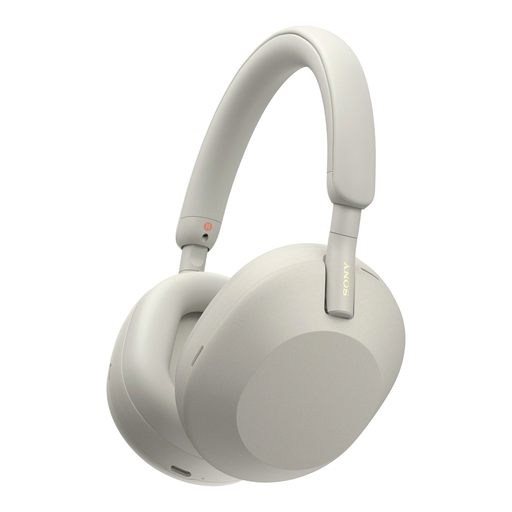
Sony WH-1000XM5, silver
An over-ear option if you want to use noise cancellation around household noise without constantly missing conversations.
Sony states that you can listen to music for up to 30 hours with noise cancellation on and 40 hours with it off. The description also mentions Speak-to-Chat, which pauses the music when you start talking.
View at Joybuy
 No image available
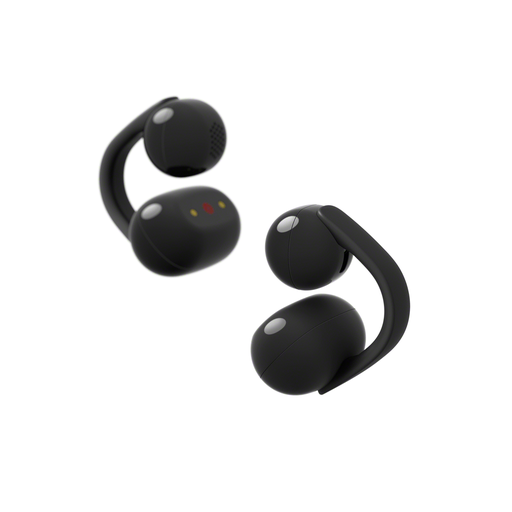
Sony LinkBuds Clip, black
The open-ear design lets in ambient sound if you want to stay within earshot while doing the housework.
The description lists a clip-on design, a 10-band EQ and three listening modes. Ambient noise can mask quieter details in a drum groove.
View at Joybuy
Frequently asked questions
Do I need ANC to follow a drum groove?
No. Start with a design that fits you well and try a track you know. A sealed fit or ANC can help with background noise, but open-ear headphones or an ambient mode may suit you better if you want to stay within earshot. There’s no guarantee that you’ll hear every detail in a particular recording.
Are open-ear headphones automatically safe for my hearing?
No, open-ear headphones aren’t automatically safe for your hearing. The World Health Organization identifies sound levels, listening duration and repeated exposure to loud noise as relevant factors. Keep the volume at a manageable level and take listening breaks.
Does 48 hours of battery life mean 48 hours of continuous listening?
No. Shokz states that the OpenFit 2 offers up to 11 hours on a single charge and up to 48 hours with recharging from the case along the way. For other models, compare the battery life per charge too, and check which settings were used for the stated figure.
Can I return headphones bought online within 14 days?
In the Netherlands, a 14-day cooling-off period often applies when you buy from a business at a distance, such as online. The Dutch government lists some exceptions, so check the terms that apply to your purchase before opening the packaging or any seals.
What guarantee do I have in the Netherlands if my headphones are faulty?
When you buy as a consumer, you’re entitled to expect a product that meets the terms of the agreement, and you can contact the seller to discuss a solution. The Dutch government states that there’s no fixed statutory guarantee period of two years in the Netherlands; what you can expect depends, among other things, on the product. A manufacturer’s warranty doesn’t replace your statutory rights.


