Who is this relevant to?

Working out chords in a quiet zone

You want to listen to music passages repeatedly without disturbing other visitors. Closed-back headphones are a sensible starting point, but also check the fit and whether people around you can hear your music. Leiden University Libraries describes its study rooms as quiet zones.

Musicians transcribing songs

You compare bass notes and chord changes at a fixed desk. A suitable connection and the ability to listen closely matter more than any promise of automatic chord recognition. Berklee Online describes chord recognition as a skill developed through focused listening and transcription.

Those who listen for longer sessions

You listen for extended periods or move between locations and devices. Fit, cable options and battery life may all be worth considering; the Consumers’ Association recommends trying headphones on where possible.

What should you look for when choosing?

Closed-back wired studio model

Suitable for: repeated listening at a fixed desk without having to manage a battery.

Bear in mind: check the connection, cable length and fit; a model’s claimed features do not prove it will help you recognise chords better.

Closed-back wireless headphones with noise cancelling

Suitable for: working without a cable or listening while reducing background noise.

Bear in mind: noise cancelling reduces the sound you hear, but does not guarantee that others won’t hear your music.

Open-back headphones

Suitable for: an environment where sound escaping from the headphones won’t disturb others.

Bear in mind: Shure describes open-back earcups as a design that lets sound in and out, so don’t choose them as your default for a quiet zone.

What to consider What to look for when buying Who is this important for?
Sound leakage Choose a closed-back design, check the seal and ask someone sitting next to you whether they can hear your music at your usual listening volume. If I’m listening in a quiet zone, I don’t want to disturb other visitors. Around 36% of consumers prioritise keeping sound leakage to a minimum.
Listening for chords Try a familiar passage at a moderate volume and check whether your playback device makes it easy to rewind. A frequency range alone does not prove better chord recognition. If I’m transcribing chord changes, I want to be able to compare short passages closely. Around 29% of consumers prioritise listening closely for chords.
Comfort Check the fit of the headband and ear cushions; try them on yourself if possible. Keep the volume low and take breaks during longer sessions. For longer listening sessions, I want my headphones to feel comfortable. Around 21% of consumers give comfort their highest priority.
Connection and freedom of movement Check your device’s connection and, if listening wirelessly, the stated battery life with noise cancelling switched on. A long cable can be awkward at a small reading table. If I want to keep my setup simple, I weigh up a suitable connection against listening without a cable. Around 14% of consumers prioritise connectivity or freedom of movement.

Common buying mistakes

  • Confusing noise cancelling with protection against sound leakage

    Noise cancelling reduces background noise for the wearer; on its own, it doesn’t tell you whether other people can hear music coming from the earcups.

    Check that the headphones are closed-back and test them with someone sitting next to you at your usual listening volume.

  • Choosing open-back headphones for a quiet zone

    Openings in the earcups let sound escape. This can disturb others, even if the design appeals in other listening environments.

    For a quiet library, well-fitting closed-back headphones are a more sensible starting point. Follow the venue’s rules.

  • Choosing based only on frequency range or studio sound

    A specification or manufacturer’s description doesn’t show that you’ll be better at recognising chords in your own recordings.

    Listen to a familiar passage, check the connection and judge the fit and sound for yourself at a moderate volume.

Brands to consider

Audio-Technica

The closed-back, wired ATH-M50x is an option for listening at a fixed desk.

  • Audio-Technica lists detachable cables and passive isolation for this model.
  • These features don’t prove that you’ll be better at recognising chords or that people around you won’t hear your music.

Sennheiser

The closed-back, wired HD 280 PRO is a monitoring model designed for longer listening sessions.

  • Sennheiser lists replaceable ear cushions, a coiled cable and up to 32 dB of ambient noise attenuation.
  • The stated attenuation is no guarantee of how the headphones will fit you or what others will hear. Also check that the cable suits your workspace.

AKG

The closed-back K371 is a wired, foldable studio headphone.

  • AKG lists isolating ear cushions and a detachable cable for this model.
  • The description of a natural or neutral sound comes from the manufacturer; try the model with your own music.

Sony

The closed-back WH-1000XM6 is a wireless option with noise cancelling.

  • Sony lists Bluetooth, an ambient sound mode, a cable connection and up to 30 hours of playback with noise cancelling switched on.
  • The stated battery life doesn’t tell you how much music people around you will hear, and it isn’t an independent sound comparison.

Shure

The closed-back, wired SRH440A is a studio headphone with a detachable cable.

  • Shure lists a closed-back, over-ear design and a straight cable supplied with the headphones.
  • The description of detailed, accurate sound comes from Shure and doesn’t prove an advantage for chord recognition.

Joybuy headphones for wireless listening

These Joybuy products are wireless, over-ear headphones for listening to music with noise cancelling. Check each model’s connections, fit and features that matter for your library visits.

Sennheiser MOMENTUM 4 Wireless, black

Sennheiser MOMENTUM 4 Wireless, black

Could suit you if you want to listen to music wirelessly and reduce background noise; check for yourself whether the seal is good enough when sitting near others.

The product description lists adaptive noise cancelling, a transparency mode and a 3.5mm audio cable. The stated battery life is 60 hours.

View at Joybuy
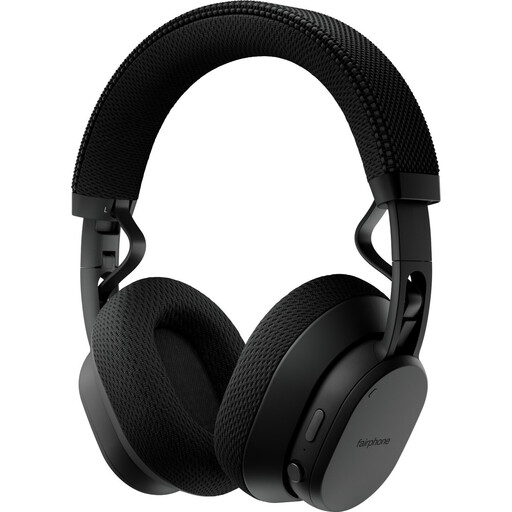
Fairphone Fairbuds XL 2025, black

Fairphone Fairbuds XL 2025, black

Could suit you if you want to listen wirelessly and are looking for a closed-back, over-ear design; check the fit and whether others can hear your music at your usual volume.

The product description lists Bluetooth, active noise cancelling, an ambient sound mode and a replaceable battery. It also mentions mesh on the headband and ear cushions.

View at Joybuy

Bose QuietComfort Ultra Bluetooth Headphones, black

Bose QuietComfort Ultra Bluetooth Headphones, black

Could suit you if you want to switch between wireless and wired listening; check which connection your playback device has beforehand.

The product description lists Bluetooth 5.3, active noise cancelling and an audio cable. The model is described as over-ear with a closed-back design.

View at Joybuy

Sonos ACE Over-Ear Bluetooth Headset, black

Sonos ACE Over-Ear Bluetooth Headset, black

Could suit you if you want to listen wirelessly but also connect wired audio sources; check that the supplied cables are compatible with your devices.

The product description lists active noise cancelling, Bluetooth, USB-C and 3.5mm cables, and up to 30 hours of listening. It also mentions memory foam ear cushions and an adjustable headband.

View at Joybuy
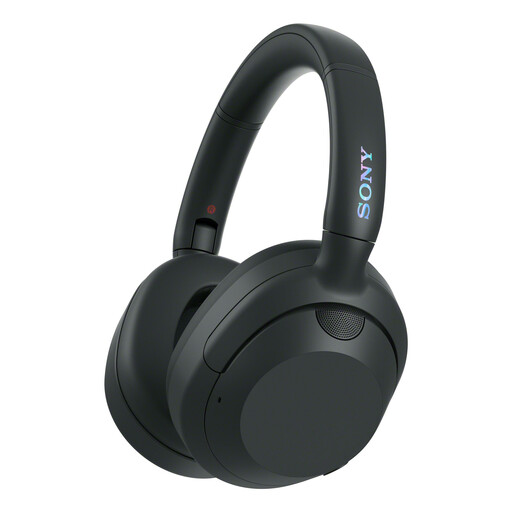
Sony WH-ULT900N ULT Wear, black

Sony WH-ULT900N ULT Wear, black

Could suit you if you want to listen wirelessly and are looking for a foldable model; bear in mind that noise cancelling alone doesn’t prevent sound leakage.

The product description lists Bluetooth, active noise cancelling and a detachable cable. The model is foldable and has a stated weight of 255 g.

View at Joybuy

Frequently asked questions

Will studio headphones automatically help me recognise chords?

No. Headphones play the recording; recognising and transcribing chords takes focused listening and practice. Berklee Online describes ear training and transcription as ways to develop this skill.

Do I need noise cancelling in a quiet library?

Not necessarily. Noise cancelling reduces background noise for the wearer, while what matters most to others is whether they can hear sound coming from your headphones. So check the fit and volume, even with a noise-cancelling model.

How should I use headphones during longer listening sessions?

Start at a low volume, take regular breaks and adjust the headband so the ear cushions fit snugly. The World Health Organization stresses that both volume and listening time affect the strain on your hearing. Follow your model’s instructions for cleaning and replacing parts.

What are my rights when buying headphones online in the Netherlands?

When you buy online from a business, you generally have a 14-day cooling-off period, subject to applicable terms and exceptions. The product must also be of satisfactory quality. The Dutch government states that there is no fixed statutory guarantee period in the Netherlands; contact the seller if something is faulty.
