
Listeners who don’t want to disturb their flatmate
You replay passages in a shared bedroom and mainly want to know how much sound can be heard outside the earcups.


Start with well-fitting, closed-back over-ear headphones if you want to avoid disturbing your flatmate with your music. Then compare how clearly the different parts come through in your recordings. A wired connection is an obvious choice if you’re playing along or recording and want to minimise latency. Active noise cancellation reduces the sound you hear, but on its own it won’t tell you how much music leaks out.
You replay passages in a shared bedroom and mainly want to know how much sound can be heard outside the earcups.
You compare bass, melody and accompaniment to identify chords. So don’t just look at the stated frequency range; consider the sound and the fit, too.
You listen to a track while playing an instrument or recording audio, so the connection and playback latency are important considerations.
Choose these if: you replay recordings, might play along and want to limit sound leaking to your flatmate. Check that the ear cushions fit snugly and that your source has the right connection.
Bear in mind: the fit affects the seal, and a cable restricts your freedom of movement.
Choose these if: you want to reduce background noise as well as listen privately, and freedom of movement matters to you.
Bear in mind: noise cancellation doesn’t tell you how much music leaks out; also check whether they work in wired mode if you want to use a cable.
Choose these if: your flatmate is happy to hear some sound and your listening preference matters more than isolation.
Bear in mind: an open-back design is less suited to keeping music private in a shared bedroom.
| Consideration | What to look for | Who is this important for? |
|---|---|---|
| Sound leakage and isolation | Check the closed-back earcups and how well they seal against your head; assess what can be heard at a normal listening volume. | I want to replay passages without disturbing my flatmate; around 36% of consumers give sound leakage their highest priority. |
| Separating musical parts | Compare familiar, densely arranged tracks at the same volume and listen for the balance between low, mid and high frequencies. | I want to pick out the melody, bass and accompaniment in a recording; around 29% of consumers prioritise hearing individual musical parts. |
| Connection and latency | Check your device’s audio output and whether the model you choose supports wired audio through the connection you want to use. | I want to play along with a track in sync; around 21% of consumers give connection and latency their highest priority. |
| Comfort during repeated listening | Consider the pressure from the headband and ear cushions, including when wearing glasses if applicable, and check whether the cushions are replaceable. | I often replay the same passage and want to do so comfortably; around 14% of consumers prioritise wearing comfort. |
Active noise cancellation targets the background noise you hear. Your flatmate is listening from somewhere else, so they may hear something different.
Check the closed-back design and fit separately. Assess leakage at a normal listening volume.
A stated frequency range doesn’t automatically tell you about the balance between frequencies or how clearly the different parts in your recording will sound.
Compare a familiar track at the same volume, and treat manufacturers’ claims about tuning as claims—not proof that you’ll find chords easier to identify.
The connection must suit your device. The DT 770 PRO is available in different impedance variants, which shouldn’t automatically be treated as identical.
Before ordering, check the full model name, impedance variant and connections on your source and headphones. You may need a suitable connection or a different audio source.
The wired K371 is a closed-back, foldable over-ear studio headphone for anyone who wants to listen to music with some isolation.
The ATH-M40x is a closed-back, wired model for listening through a compatible audio source.
The DT 770 PRO 80 Ohm is a closed-back studio model; the impedance variant is part of choosing the right product.
The wired HD 280 PRO is designed for closed-back studio listening; the MOMENTUM 4 Wireless is a separate wireless range.
The WH-1000XM5 is a wireless over-ear option with active noise cancellation and a wired input.
These Joybuy products are options to compare for replaying music, including both wired and wireless models.
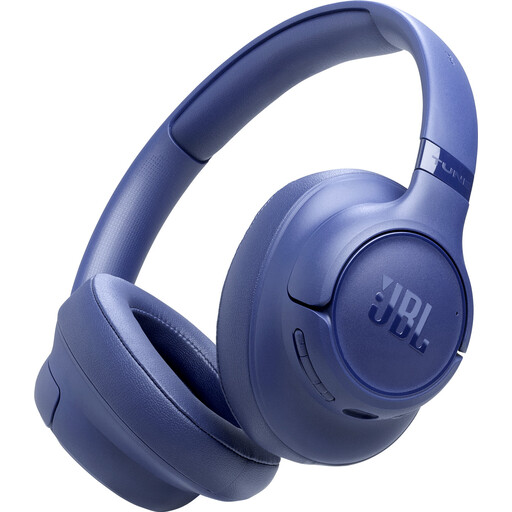 No image available
The over-ear design and EQ presets may suit repeated listening and adjusting the sound.
The product description mentions 40 mm drivers.
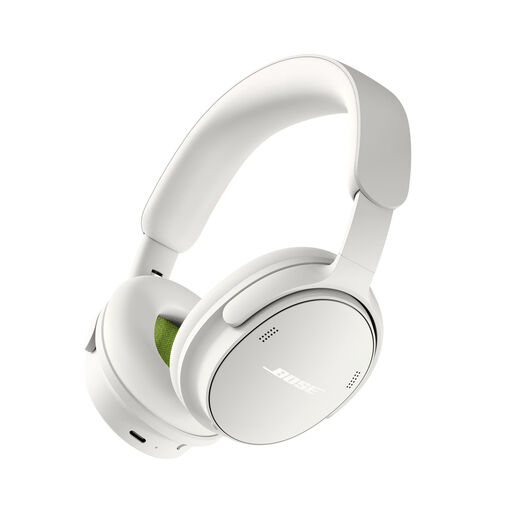 No image available
An option to compare if you want to use wired USB audio; check that the connection suits your device.
The product description mentions noise cancellation and lossless audio through a wired USB connection.
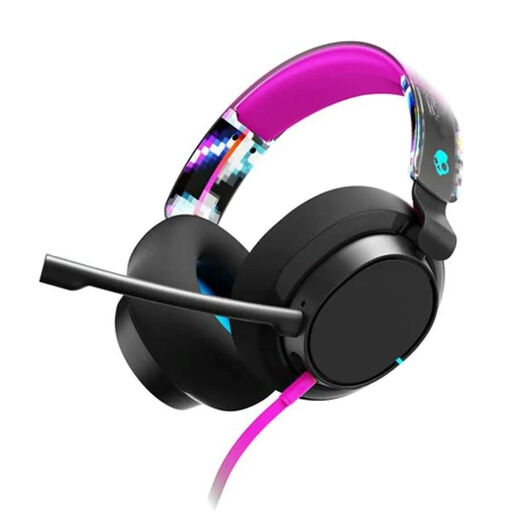 No image available
The wired version may suit you if you’re looking for headphones with a cable connection; check which input your audio source has.
The product description mentions USB-C and 3.5 mm connections, software-based sound adjustment and on-headset controls.
 No image available
The closed-back over-ear design and the stated audio cable make these an option to compare if you also want to listen via a wired connection.
The product description mentions active noise cancellation. On its own, this feature doesn’t tell you how much sound leaks to your flatmate.
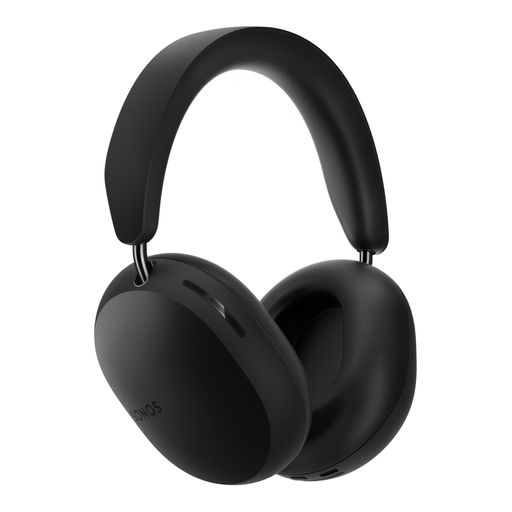 No image available
This closed-back over-ear option may suit you if you want to listen wirelessly and compare wired connection options as well.
The product description mentions active noise cancellation, adjustable EQ and wired audio via USB-C and 3.5 mm.
Not necessarily. Active noise cancellation is designed to reduce background noise for the wearer. Assess sound leakage separately at your normal listening volume.
Check your device’s audio output and the connection or supplied cable for the exact model. A wired connection is a suitable choice if you want to minimise playback latency; a charging port alone doesn’t prove that wired audio will work.
A stated frequency range doesn’t prove that you’ll identify chords more easily. Compare a familiar track at the same volume and listen for how clearly you can follow the different parts in your recording.
Consider the pressure from the headband and ear cushions, keep the volume low and take regular listening breaks. The World Health Organization gives an average of 80 dB for up to 40 hours a week as an example for adults; at a higher level, that time is shorter. If the cushions wear out, check whether replacements are available for your exact model.
The common charging rules have applied since 28 December 2024 to headphones that meet the relevant conditions, including having a rechargeable battery and being capable of charging via a cable. The European Commission sets out these conditions; check whether they apply to the exact product.