
Listener who likes to move around
You want to keep listening to a guitar solo while doing the housework, without a cable restricting your movement. Also consider which sounds around the house you need to be able to hear while you’re doing your task.


If you’re moving around the house while doing the chores, wireless headphones are more practical than a long cable. For carefully repeating passages in one place, closed-back wired headphones may be a better fit. Check that the headphones connect to your playback device and that any delay won’t be distracting when you play along. This is a choice based on design and stated features, not on a comparative listening test of guitar solos.
You want to keep listening to a guitar solo while doing the housework, without a cable restricting your movement. Also consider which sounds around the house you need to be able to hear while you’re doing your task.
You often pause to listen to short guitar passages again. A comfortable pair of closed-back headphones and a connection that works with your playback device may matter more than having plenty of freedom to move around.
You wear your headphones for long stretches and want to judge for yourself whether the fit and ear cushions feel comfortable. Keep an eye on your listening volume too, and take breaks.
Choose this if: you want to move around while doing the housework and might want to listen to a passage again using a cable. According to their manufacturers, the ATH-M50xBT2 and AKG K371-BT support both wireless and wired listening.
Bear in mind: you’ll need to charge them, and there may be a delay. A low-latency mode doesn’t guarantee that any delay will be unnoticeable with your device and audio source.
Choose this if: you’ll mainly be repeating passages in one place and your playback device has a suitable connection. A closed-back design can help reduce background noise.
Bear in mind: the cable may get in your way if you move around while working. Check the plug, cable length and exact model variant too.
Choose this if: you want to listen to the passage in a quiet room and sound isolation isn’t a priority.
Bear in mind: an open-back design isn’t the obvious choice if you want to keep household noise out.
| What to consider | What to look for | Who it matters most to |
|---|---|---|
| Freedom of movement | Check Bluetooth compatibility, controls you can use while listening and whether there’s a wired option for listening back. | If I’m walking around the house while working, I don’t want a cable to restrict my movement; around 36% of consumers prioritise freedom of movement. |
| Hearing the passages | Look for a closed-back design and a fit that sits around your ears. A stated frequency range doesn’t prove you’ll be able to pick out a particular solo more clearly. | When household noise drowns out the guitar passage, I want to be able to follow it without constantly turning up the volume; around 29% of consumers prioritise clear listening in the presence of household noise. |
| Fit and volume | Assess the pressure and fit for yourself, and check whether you can use a volume limiter. Take a break or choose less isolation if you need to hear important sounds around the house. | For longer listening sessions, I want comfortable headphones and to be able to control my listening volume; around 21% of consumers prioritise wearing comfort and safe listening. |
| Connection and maintenance | Check the output on your phone, computer or amplifier, whether you need an adapter, the cable supplied with the exact variant and whether suitable replacement parts are available. | If a reliable connection and clear information about cables or parts matter most to me, I want to know those details in advance; around 14% of consumers prioritise connection and maintenance. |
Open-back and closed-back models suit different listening situations. Fit and background noise also affect what works for you; the ‘studio’ label doesn’t prove that a pair of headphones will make specific guitar notes easier to hear.
If household noise is distracting, start with a well-fitting closed-back model. Consider an open-back model mainly for focused listening in a quiet room.
A cable can get in the way when you’re moving around and doing household tasks. The cable supplied also varies between models and variants.
Decide in advance whether you’ll be moving around or mainly listening in one place. Check the exact cable, plug and connection on your playback device.
According to VeiligheidNL, a good seal can help prevent you from turning up the volume to drown out sounds around you. Listening at a high volume or for long periods can damage your hearing.
Check the fit and use your playback device’s volume limiter where possible. Take a break or choose less isolation if you need to hear important sounds around the house while doing a task.
The points below apply to the product lines and versions mentioned, not necessarily to every model from each brand.
The ATH-M50x is wired, while the ATH-M50xBT2 combines Bluetooth with a wired option. This makes the difference between the versions worth considering if you switch between moving around and listening back in one place.
According to AKG, the K371-BT is a closed-back, foldable pair of headphones that lets you listen using either Bluetooth or a cable.
The closed-back DT 770 PRO and DT 770 PRO X are suited to wired listening back in one place; the open-back DT 900 PRO X is another option for a quiet listening room.
According to Sennheiser, the HD 280 PRO is a closed-back wired pair of monitoring headphones. This version is suited to listening in one place when sound isolation matters.
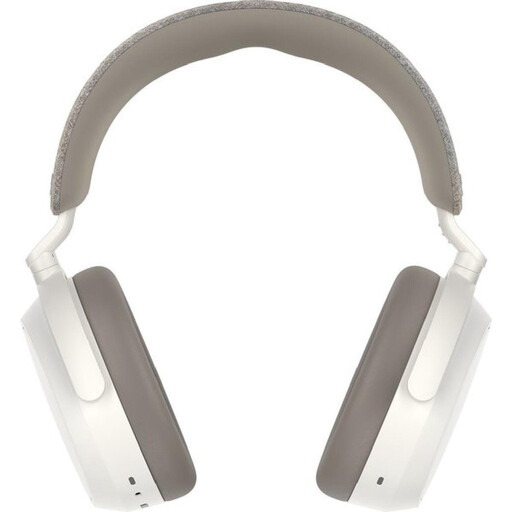
A selection of Joybuy products related to this topic. Check each model’s connection options and fit to make sure they suit the way you want to listen back.
 No image available
A wireless listening option for anyone who doesn’t want to use a cable while doing the housework. Check which connection is suitable for listening back with your playback device.
 No image available
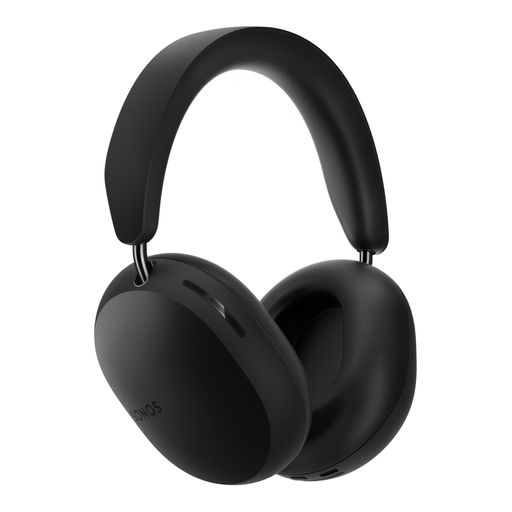
The Bluetooth version is suited to listening while you’re on the move. Check that this version’s connection options are suitable for listening back to passages.
 No image available
The Bluetooth version is suited to anyone who wants to listen without a cable while doing the housework. Check which cable and connection options work with your playback device.
 No image available
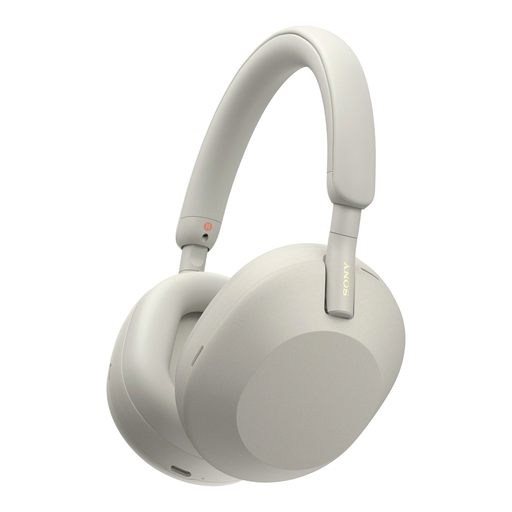
A wireless option for listening while you’re on the move. Check whether you can also connect the headphones in the way you want to use for listening back to passages.
 No image available
These headphones are described as having active noise cancellation in the product name. While doing the housework, consider whether you need to hear important sounds around you, and check the connection options for listening back.
No, not if you’ll mainly be listening back in one place. Bluetooth is handy when you’re moving around while doing the housework. If you’re playing along, check whether any delay is distracting with your complete device and audio-source set-up. The low-latency mode on the ATH-M50xBT2 is a stated feature, not a guarantee for every set-up.
Check whether well-fitting, sound-isolating headphones and your mobile device’s volume limiter are suitable for your needs. VeiligheidNL recommends a good seal to help prevent you from turning the volume up; loud or prolonged listening is still a risk. Take a break or choose less isolation if you need to hear sounds around the house while doing your task.
Check the connection on your playback device and the cable supplied with the exact model variant. According to beyerdynamic, the DT 770 PRO X has a detachable cable, while the classic DT 770 PRO has a fixed cable. The manufacturer lists several impedance options for the classic version.
According to the Dutch Government, when you buy something remotely, the seller must tell you about the cooling-off period, which is usually 14 days. When you buy a product, you’re entitled to the statutory guarantee and to a product that works properly. Check the seller’s information and any additional manufacturer’s guarantee before ordering; a paid-for extended guarantee doesn’t replace your statutory guarantee.