
Vandaag of morgen in huis

Kwaliteit gegarandeerd

Welkomstaanbiedingen ontgrendelen: GRATIS bezorging | Tot 80% korting | Gratis 30 dagen JoyPlus-proefperiode
Download de app
Choosing new headphones seems simple until you have to compare wireless models, wired earbuds, a gaming headset and noise-cancelling headphones. Marketing copy often focuses on features that sound impressive but do not always suit the way you use them every day.
Three common pitfalls come up time and again:
First, decide what you need the product for. For train journeys and working in a busy office, over-ear headphones with noise cancellation can be a good choice. For running or short conversations, wireless earbuds or a lightweight clip-on model may be more practical. If you do not want to charge a battery, choose wired earbuds or wired headphones with a 3.5mm connection.
For online meetings, the microphone is at least as important as the sound. Look for headphones with a microphone, physical isolation from ambient noise and controls for muting and volume. Gamers should also check compatibility with PC, PlayStation, Xbox or Nintendo Switch. Low latency is particularly important for fast-paced games.
Bluetooth headphones are convenient for smartphones and tablets, but check the Bluetooth version, multipoint support and the devices the model can connect to. Bluetooth 5.3 or 5.4 does not, on its own, tell you everything about range or sound quality; codec support and software also play a role.
A wired model avoids interruptions caused by charging. A USB-C pair of headphones may have a built-in digital-to-analogue converter, but not every USB-C port handles audio in the same way. With a 3.5mm connection, check whether your device has a combined headphone and microphone socket. You may sometimes need a splitter.
An on-ear model rests on your ears and is usually compact. An over-ear model surrounds your ears and can block out ambient noise more effectively, but is often larger and warmer during extended use. With in-ear models, several sizes of silicone ear tips are important for a secure fit.
Pay attention to the weight, adjustment range, hinges, cable and ear cushion material. A soft headband can make long work or gaming sessions more comfortable, but comfort is a personal matter. Also check whether a sports model has an IP rating. IPX4 means protection against splashing water according to the usual classification; it does not mean the product can be submerged.
For calls and meetings, the number and positioning of the microphones are relevant specifications. Claims such as ‘AI noise cancellation’ or ‘crystal-clear calls’ should be read as statements from the brand’s product description. Actual speech clarity also depends on wind, distance and the meeting app.
For wireless models, compare the playback time per charge, charging time and fast-charging function. With TWS earbuds, check the battery life of the earbuds separately from the additional capacity provided by the case. Noise cancellation reduces the available playback time on many models. For hearing safety, product information generally advises avoiding prolonged listening at high volume and taking regular breaks.
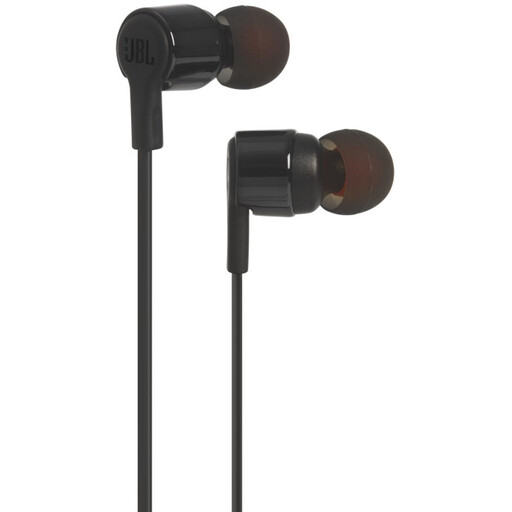
Why it suits this profile: For everyday listening, podcasts and calls without having to manage a battery, these wired in-ear headphones offer a simple starting point with a microphone and volume controls.
The product description clearly states that it has a 3.5mm connection, a microphone and can be used without charging. Do check that your device has this connection.
Wired connection, integrated microphone, multiple ear tip sizes and 8.7mm dynamic drivers according to the product specifications.

Why it suits this profile: These over-ear headphones are aimed at listeners who combine music, travel and long work sessions and want to listen wirelessly.
The product specifications mention both active noise cancellation and a transparency mode. According to the product description, battery life is up to 60 hours; actual battery life varies depending on the settings.
42mm transducers, four microphones, Bluetooth and a supplied 3.5mm cable according to the product information.
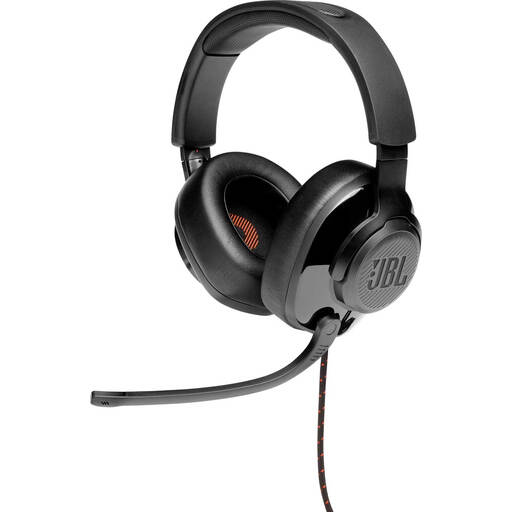
Why it suits this profile: Designed for gamers who need a wired connection, an adjustable microphone and support for multiple gaming platforms.
The product information lists a 3.5mm connection and USB audio adapter. Check which surround functions are available on each platform; JBL specifically mentions QuantumSURROUND for PC.
50mm drivers, flip-up directional microphone, memory foam ear cushions and compatibility with PC, consoles, mobile, Mac and VR according to the product specifications.
We have compiled a complete, up-to-date list of products that fully meet these strict selection criteria and the applicable European safety regulations.
They can be, provided the microphone delivers clear speech and the model is compatible with your computer or phone. Check that Bluetooth profiles and multipoint are supported if you want to switch between a laptop and smartphone. For a permanent home-working setup, wired headphones may be more practical because you do not need to charge a battery.
Lifespan depends on the hinges, cable, ear cushions, battery and conditions of use. A wired model does not have a built-in battery that loses capacity over time, while wireless models have more moving and electronic components. Keep your headphones dry, do not pull on the cable and charge them according to the instructions. A model with replaceable ear cushions can be easier to maintain.
That depends on your surroundings. On a train, aeroplane or in a busy office, noise cancellation can make listening more comfortable. At home in a quiet room, the feature adds little. Also consider the fit: well-sealing over-ear headphones can already block out a great deal of ambient noise. Treat the claimed noise reduction as information from the brand, not as a guarantee that every sound will disappear.
