
Listening in a noisy environment
You want to follow quiet voices without constantly turning up the volume. Look for a good seal, noise cancelling and the option to let in ambient sound.


For quiet readings in a noisy environment, a well-fitting closed-back model with noise cancelling may be a good choice. The WHO lists a well-fitting pair of headphones and noise cancelling as ways to reduce the need to turn the volume up in noisy surroundings. At home in a quiet room, wired headphones may be all you need, as long as the connection is compatible with your playback device. When you’re out and about, you’ll need to weigh up noise isolation against hearing what’s around you: an open design doesn’t guarantee that you’ll hear everything around you in every situation.
You want to follow quiet voices without constantly turning up the volume. Look for a good seal, noise cancelling and the option to let in ambient sound.
You listen to several readings in a row and prioritise a comfortable fit, a wired connection and not having to worry about charging.
You want to take downloaded recordings with you while staying aware of the sounds around you. Open-ear headphones are one option to consider, but they don’t guarantee that ambient sounds will always remain audible.
Start by thinking about where you usually listen. Then compare the fit and connection: headphones that work well at home may not be the right choice when you’re out and about.
| What to consider | What should you check? | Who should pay particular attention? |
|---|---|---|
| Clarity with background noise | Compare noise cancelling on and off with the same recording; also check whether an ambient sound mode is available. | If quiet words get lost at home or when I’m out, I want to follow the reading without constantly turning up the volume. Around 36% of consumers prioritise clarity in background noise. |
| Comfort during long listening sessions | Try the headband and ear cups for a realistic length of time, and pay attention to pressure and warmth. | When listening to several readings in a row, I want a fit that stays comfortable. Around 29% of consumers give long-wearing comfort top priority. |
| Connectivity and use without a battery | Check whether your device supports 3.5mm audio or USB-C audio; for wireless models, see whether you can use a cable without battery power. | If my recordings are on a phone, tablet or computer, I want to make sure the headphones connect to it; sometimes I also want to listen without charging the battery. Around 21% of consumers prioritise connectivity or listening without battery power. |
| Ambient sound when outdoors | Compare open-ear headphones with an ambient sound mode, and assess the listening volume where you’ll use the recording. | When out walking, I want to stay aware of my surroundings while listening to a recording. Around 14% of consumers give awareness of their surroundings top priority. |
Background noise, fit and volume all affect how easy a reading is to follow. Battery life alone doesn’t tell you how clearly you’ll hear a voice.
If possible, listen to one of your own recordings at a comfortable volume, and assess the fit and connection too.
A 3.5mm plug and a USB-C connection aren’t interchangeable. The connection you choose needs to work with the device your recording is stored on.
Check the audio connection on your phone, tablet or computer, and see what’s included with the exact model.
A close-fitting design can make it harder to hear ambient sounds. An open design doesn’t guarantee that every sound will remain audible in every situation either.
Choose based on where you’ll be listening, and make sure you can hear your surroundings when taking part in traffic.
The WH-CH720N shows how a closed-back over-ear model combines noise cancelling, an ambient sound mode and passive wired listening.
The Tune 720BT is a wireless over-ear model supplied with an audio cable; the Tune 770NC is a separate range with noise cancelling and ambient sound modes.
The HD 400S and HD 400U offer two wired connection options for listening at home: 3.5 mm and USB-C respectively.
Philips presents the SHP9500CY/00 as open-back, wired over-ear headphones for listening at home.
Shokz describes the OpenRun Pro 2 as an open-ear model for people who want to stay connected to their surroundings while listening.
This Joybuy selection focuses on wireless over-ear headphones with noise cancelling. Check that the connection and cable listed for each model are compatible with your playback device.
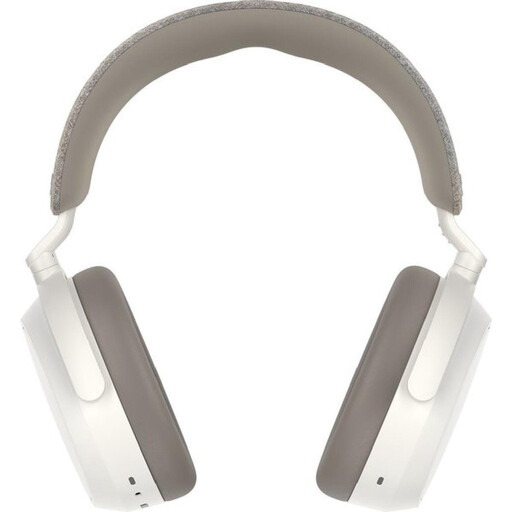 No image available
An option to compare if you want to listen wirelessly and are also considering wired use.
The product name describes over-ear headphones with noise cancelling and 60-hour battery life. The product information lists Bluetooth, an included 3.5mm audio cable, passive use without battery power and a Transparency Mode.
 No image available
An option if you’re looking for wireless audio and noise cancelling, but also want the option of listening with a cable.
The product information lists Bluetooth, active noise cancelling, a closed-back over-ear design and an included audio cable.
 No image available
A wireless option to consider if noise cancelling is important when listening to recordings.
The product information lists Bluetooth, noise cancelling and simultaneous pairing with two devices.
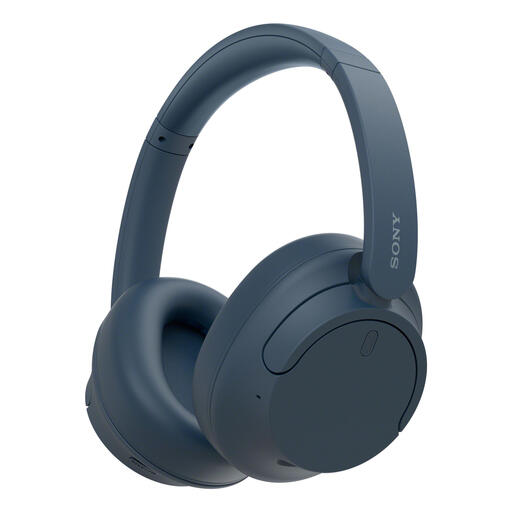 No image available
An option if you want to compare noise cancelling with wired listening without a Bluetooth connection.
The product name lists Bluetooth and up to 35 hours of battery life. The product information lists active noise cancelling, an ambient sound mode, a detachable cable and passive use.
 No image available
An option if you want active noise cancelling and need a wired connection to your device.
The product information lists Bluetooth and a detachable cable with USB-C and 3.5mm connections. No charger is included; the product information also doesn’t list support for PD fast charging.
No, not if you play the recording from a compatible device such as a phone, tablet or computer. Choose a wired or Bluetooth connection that works with that device, and check the playback settings.
The WHO lists a well-fitting pair of headphones and noise cancelling as ways to reduce the need to turn the volume up in noisy surroundings. Both sound level and listening time matter; an average of 80 dB for up to 40 hours a week is one example given by the WHO, not a guaranteed safe volume for everyone.
It depends on where you are and which sounds you need to hear. An open-ear design doesn’t guarantee that ambient sounds will remain audible in every situation; the Dutch government advises people taking part in traffic to be able to hear ambient sounds.
ACM ConsuWijzer states that online purchases generally come with a statutory 14-day cooling-off period from the day the product is delivered; check which exceptions apply. If a product is faulty, the seller is responsible for the statutory guarantee, regardless of any commercial guarantee.