
Travellers looking to reduce bus noise
You want to follow your music without constantly turning up the volume. The WHO identifies well-fitting noise-cancelling headphones as one way to reduce the need to increase the volume in noisy environments.


Start with a comfortable fit and effective noise cancellation if the sound of the bus is drowning out your music. Then listen for yourself to see whether vocals and acoustic instruments sound natural. Over-ear models take up more room, while in-ear options are more compact but rely more heavily on a good fit. Also consider how quickly you can pause your music or switch on ambient sound.
You want to follow your music without constantly turning up the volume. The WHO identifies well-fitting noise-cancelling headphones as one way to reduce the need to increase the volume in noisy environments.
You want to judge for yourself whether voices and acoustic instruments sound natural, even with noise cancellation on. The Dutch Consumers’ Association includes sound quality in its assessments of headphones.
You’re looking for a compact listening option and want to know whether the fit and listening time will suit your journey. The Dutch Consumers’ Association points out that you can charge earbuds in their case, but can’t use them while they’re charging.
First, assess the fit and noise cancellation, then listen to a familiar track to judge the sound. Next, choose the style, controls and battery life that suit your journey.
| What to consider | What to look for when buying | Who is this important to? |
|---|---|---|
| Reducing bus noise | Check the seal and fit, how well noise cancellation handles constant noise, and how quickly you can switch to ambient mode. | I want to follow my music without constantly turning up the volume. Around 31% of consumers put noise reduction first. |
| The sound of vocals and instruments | Listen to familiar vocals and acoustic instruments at your usual volume; check whether you can adjust the sound. | I want to hear for myself whether voices and instruments sound pleasing, rather than relying on specifications alone. Around 25% of consumers put music sound quality first. |
| Comfort over long periods | Try wearing them for more than a few minutes. With over-ear models, check the fit with glasses; with in-ear models, check the size of the ear tips. | I want to avoid headphones or earbuds becoming uncomfortable during a long journey. Around 19% of consumers put comfort first. |
| Easy to pack | Compare the packed size with the earbuds’ uninterrupted listening time, excluding the charging case. | I want to save space in my bag but still listen for long enough without a charging break. Around 13% of consumers prioritise compactness. |
| Battery life and long-term use | Compare battery life with noise cancellation on, and check which parts are replaceable on the exact model you’re considering. | I want a model that suits long-term use and possible maintenance, even if it’s less compact. Around 12% of consumers prioritise battery life and repairability. |
With wireless earbuds, the playback time of the earbuds themselves isn’t the same as the total time including recharging in the case. For example, Bose gives the QuietComfort Ultra Earbuds (2nd Gen) a maximum of 6 hours with Immersive Audio off.
Compare the earbuds’ playback time in your preferred mode with the length of time you plan to listen.
If the earbuds need charging part-way through, your listening will be interrupted.
Noise cancellation, comfort and sound quality are separate things to consider. A specification alone can’t tell you how a familiar track will sound to your ears.
Listen to familiar vocals and acoustic instruments for yourself, and check the fit with noise cancellation on.
Specifications and available parts can vary between generations. Fairphone lists parts for the updated Fairbuds XL.
Check the full product name and generation before comparing specifications or replacement parts.
The WH-1000XM6 is an over-ear option worth comparing if you’re looking for noise cancellation, an ambient mode and multiple connections.
The MOMENTUM 4 Wireless is worth considering if you want to adjust the sound and take the stated battery life into account.
The QuietComfort Ultra Earbuds (2nd Gen) are a compact in-ear option with noise cancellation.
The Fairbuds XL is an over-ear option to consider if replaceable parts matter to you.
The Tour One M3 is an over-ear model worth comparing if you’re looking for wired connections and adjustable features.
This selection includes in-ear and over-ear models with noise cancellation for listening to music on the go. Compare the fit, controls, battery life and any charging breaks with your own journey.
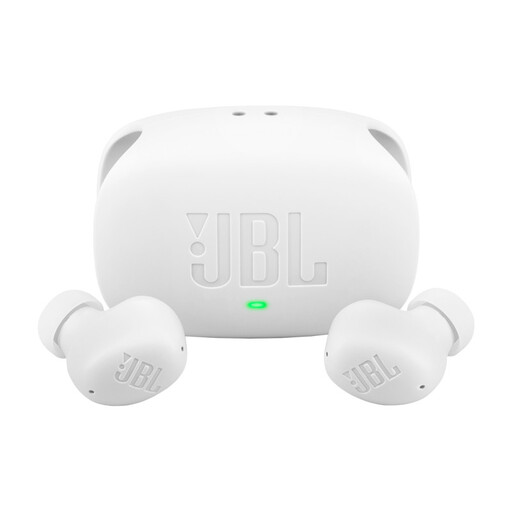 No image available
The in-ear design is a compact option if you want to save space in your bag.
The description lists Active Noise Cancelling, Smart Ambient and adjustable EQ. Total playback time is stated as up to 40 hours with noise cancellation off, including the charging case.
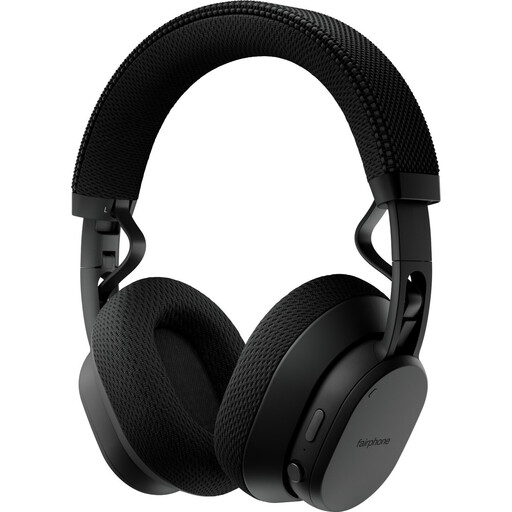 No image available
This over-ear model is worth considering if replaceable parts and an ambient mode are important to you.
The description lists noise cancellation, Ambient Sound, adjustable EQ and replaceable parts, including the battery. Playback time is stated as up to 26 hours with noise cancellation on.
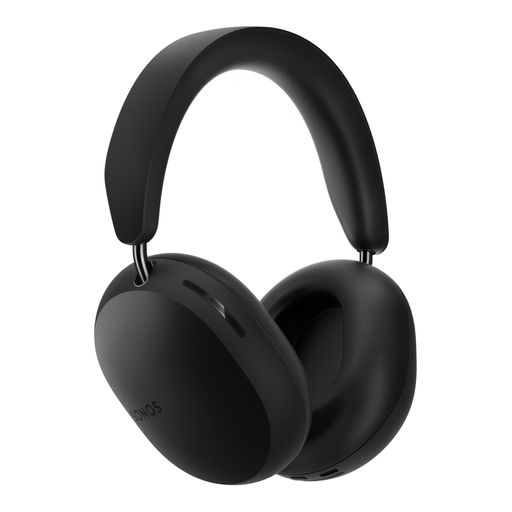 No image available
An over-ear option worth comparing if you want to switch between noise cancellation and ambient sound during your journey.
The description lists Active Noise Cancellation, Transparency mode and adjustable EQ via the Sonos app. Listening time is stated as up to 30 hours with noise cancellation on; wired audio sources can also be connected.
 No image available
These over-ear headphones are worth comparing if you’re looking for noise cancellation and an adjustable headband.
The description lists up to 35 hours of battery life with noise cancellation on and up to 50 hours with it off. Multipoint connectivity and soft ear pads are also mentioned.
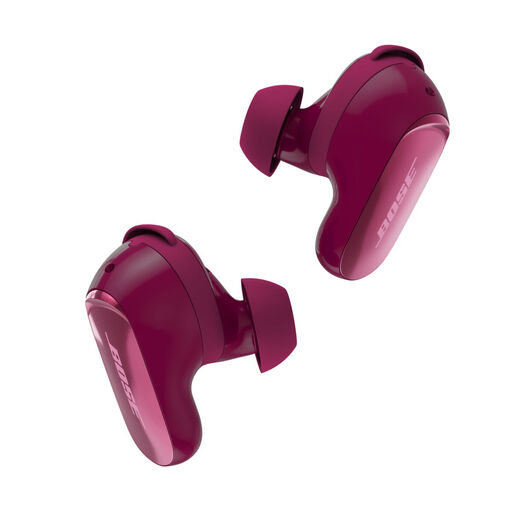 No image available
The compact in-ear design may suit you if you want to save space in your bag and compare different ear tip sizes.
The description lists noise cancellation and different sizes of ear tips and stability bands. The earbuds offer up to 6 hours with Immersive Audio off or 4 hours with it on; charging in the case interrupts use.
No. Pause your music and, if needed, switch on ambient sound or take off your headphones. An ambient mode doesn’t guarantee that you’ll hear every announcement.
Well-fitting noise-cancelling headphones can help reduce bus noise without you constantly turning up the volume. The WHO recommends monitoring your volume and listening time; a maximum of 40 hours a week at 80 dB is an example from its guidelines, not a measurement of any particular model.
It depends on the exact model. Sony lists passive listening via the audio cable for the WH-1000XM6; Fairphone lists a replaceable battery and USB-C audio for the current Fairbuds XL. Before buying, check which connection your playback device has and which generation you’re choosing.
For online purchases, you generally have a statutory cooling-off period of up to 14 days after delivery, subject to exceptions, according to ACM ConsuWijzer. You’re also entitled to a product that works properly, and the seller is your point of contact if something is wrong. The Dutch government states that the Netherlands has no fixed statutory guarantee period. Before opening in-ear products, ask the seller how they handle unsealed hygiene products; don’t assume that every pair of earbuds is automatically exempt.