If you’re short on space in your bag, look for compact earbuds or foldable on-ear headphones, and pay attention to the fit. If you want to record yourself, check that the microphone and connection work with your recording device too. If you mean limited digital storage, a different pair of headphones won’t help: manage your recording files on your phone or computer.
Who is this choice relevant to?
Practising with limited bag space
You take your listening materials with you and want headphones or earbuds that are easy to pack away. The Dutch Consumers' Association notes that over-ear models take up relatively more space in a bag; fit is still a personal matter.
Presenter who listens back to recordings
You practise out loud and want to assess how you use your voice by listening back to a recording. Taalwinkel at the University of Amsterdam describes recording yourself on a mobile phone and watching the footage as a way to practise a presentation; check separately whether you want to use the headphone microphone.
Practising with a full phone
By limited storage, you mean space for recording files on your device, not somewhere to put your headphones. Apple Support and Files by Google explain how to manage storage on a device.
What should you consider when choosing?
First, decide whether you mean limited space in your bag or on your device. If bag space is limited, compare the design and fit. If your phone is full, look at file management, as headphones won’t free up extra storage.
| Factor to consider |
What to look for |
Who is this important for? |
| Compact storage |
Compare in-ear and on-ear designs, and check whether the specific model folds. Also see whether any carry case will fit what you want to take with you. |
If I’m taking my headphones in a full bag, I want to know how much space they’ll take up. Around 28% of consumers give compact storage the highest priority. |
| Listening back to your voice |
Check whether the exact version has a microphone and whether your phone or computer recognises it as an audio input. If possible, make a test recording on your own device. |
If I want to record myself through my headphones, I want to check how my voice sounds on my device. Around 22% of consumers put voice feedback and recording first. |
| Digital storage |
Check the storage on your recording device and save any practice files you want to keep before deleting other files. |
If recordings are filling up my phone, I need to free up space on the device rather than buy different headphones. Around 22% of consumers say digital storage is their main concern. |
| Comfort |
Try the fit if possible. For in-ear models, look for ear tips that fit well; for on-ear models, consider the pressure on your ears. The Dutch Consumers' Association describes over-ear headphones as often comfortable for long listening sessions, but they do take up more bag space. |
If I listen to recordings several times in a row, I want a comfortable design. Around 17% of consumers choose comfort as their first consideration. |
| Connection and power |
Check that your device supports audio through the headphones’ connection. Wired headphones don’t need charging; wireless models do. |
If I mainly want to know whether I can connect without worrying about charging, I compare the connection with my device and how I want to listen. Around 11% of consumers put connectivity and power first. |
Common mistakes
-
Assuming a microphone guarantees good recording quality
A listed microphone doesn’t tell you how clearly your presentation will be recorded on your device and recording app.
Check that your device recognises the microphone and, if possible, make a test recording with the same app you’ll use for practising.
-
Assuming every USB-C connection supports audio
For the JBL Tune 520C USB-C, JBL specifically recommends checking compatibility with the device you’re using.
Before you buy, check that your phone or computer supports audio through the relevant USB-C connection.
-
Confusing bag space with digital storage
Foldable headphones may save space in your bag, but they won’t increase the storage available for recordings on your phone.
First, work out which kind of storage is limited. If your phone is full, manage your files and keep any recordings you still need.
Brands to compare
JBL
The Tune 520C USB-C is a foldable, wired on-ear model, while the Tune 520BT is a foldable wireless option. These are examples to help you weigh up connection convenience against charging.
- JBL lists a microphone and Vocal EQ mode for the Tune 520C USB-C.
- Check USB-C audio compatibility for the Tune 520C. JBL’s stated battery life of up to 57 hours for the Tune 520BT is a manufacturer’s claim, not a measurement for practising presentations.
Sony
The WH-CH520 is a wireless on-ear option with swivelling ear cups, for anyone who wants to put their headphones away more easily.
- Sony lists a built-in microphone, multipoint connectivity and a maximum battery life of 50 hours.
- Swivelling ear cups don’t necessarily mean that the headphones fold up completely. The stated battery life is a manufacturer’s claim.
Sennheiser
The IE 200 is a compact, wired in-ear option with a 3.5 mm plug.
- The manufacturer lists a detachable cable and several ear adapters.
- The standard version isn’t listed as having a built-in microphone. Check the connection and version if you want to record through the earbuds.
JVC
The HA-S31BT is a swivelling, foldable Bluetooth on-ear option for compact storage.
- JVC lists an integrated microphone and a maximum battery life of 17 hours.
- The stated battery life is a manufacturer’s claim. Also check that the version and connection are suitable for your devices.
Products at Joybuy
This selection includes compact in-ear earbuds and foldable headphones for anyone short on bag space who wants to listen back to presentation recordings. Before recording, always check the microphone and connection on the version you’ve chosen.
 No image available
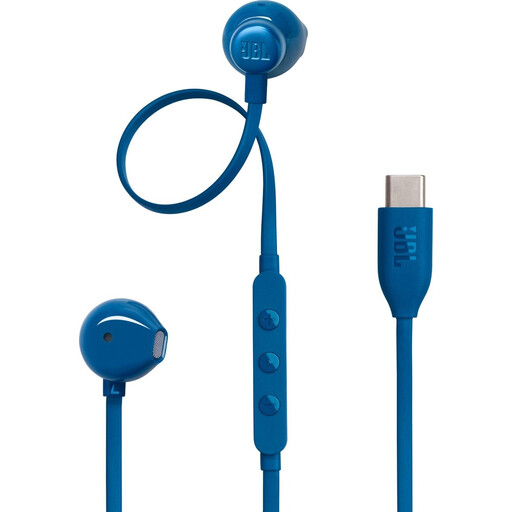
JBL Tune 305C USB-C, blue
A wired in-ear option for anyone short on bag space.
The product name specifies a USB-C connection; check that your device supports audio over USB-C.
View at Joybuy
 No image available
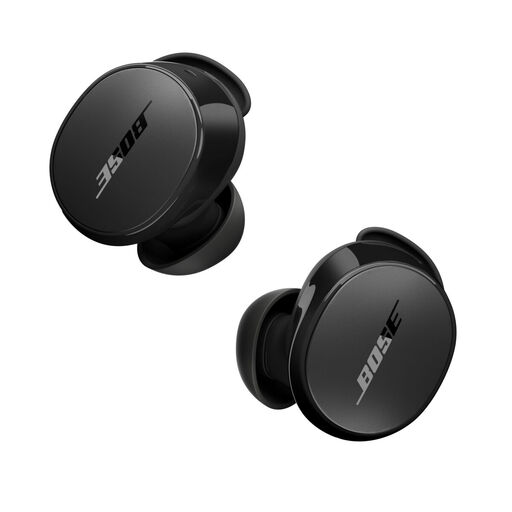
Bose QuietComfort Earbuds, black
A compact in-ear option to compare if you’re short on bag space.
Check that the fit feels comfortable and that the microphone and connection suit how you want to record and listen.
View at Joybuy
 No image available
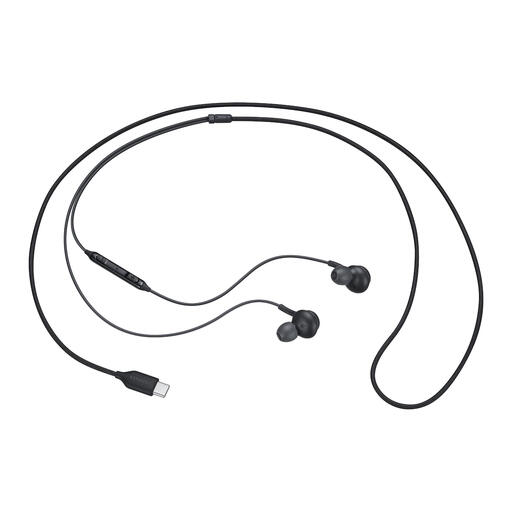
Samsung EO-IC100 USB Type-C, black
A wired in-ear headset to compare if you’re short on bag space.
The product name specifies USB Type-C and use for calls and music. Check that the connection works with your device.
View at Joybuy
 No image available
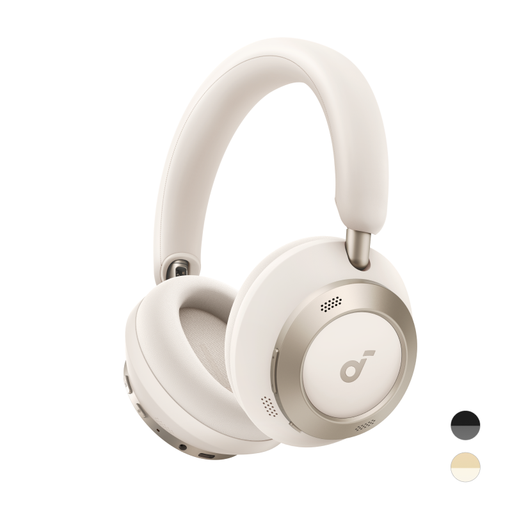
Soundcore by Anker Space One Pro
Foldable headphones to consider if you prefer an over-headband design and want to save space in your bag.
The product name specifies wireless use and six microphones. That number alone doesn’t tell you how a presentation recording will sound; test it with your own device.
View at Joybuy
 No image available
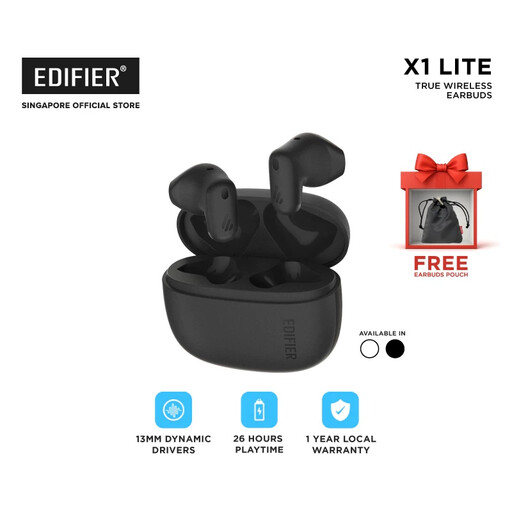
EDF-X1 Lite-black earbuds
A compact earbud option to compare if you’re short on bag space.
Check that the microphone and wireless connection suit the way you want to practise and record.
View at Joybuy
Frequently asked questions
Do I need a microphone in my headphones to listen back to a presentation?
No, not if you only want to play back an existing recording. If you want to record through your headphones, check that the exact version has a microphone and that your device recognises it as an audio input. If possible, test how a sample recording sounds.
Will smaller headphones help if my phone is nearly out of storage?
No, smaller headphones won’t free up digital storage. Check your phone’s storage and manage files you no longer use; first, keep any practice recordings you still want to use.
How can I listen safely if I replay my presentation often?
The World Health Organization recommends keeping the volume low, taking listening breaks and paying attention to your total listening time. As a practical rule, it suggests using no more than 60% of your device’s maximum volume. This doesn’t guarantee the same sound level for every device and headphone combination.
Can I listen to a practice recording while travelling in the Netherlands?
According to the Government of the Netherlands, you may listen hands-free while driving, but you must not hold a mobile device while driving. Keep some surrounding sounds audible, for example by keeping the volume low or using one earbud, and don’t operate your phone while driving.
What rights do I have when I buy headphones online?
For many online distance purchases from a business, the Government of the Netherlands says you have a 14-day cooling-off period, with some exceptions. The Dutch consumer authority’s ConsuWijzer also explains that your statutory guarantee applies alongside any manufacturer’s guarantee. If a product doesn’t do what you could reasonably expect when used normally, the seller is responsible.


