
Vandaag of morgen in huis

Kwaliteit gegarandeerd

Welkomstaanbiedingen ontgrendelen: GRATIS bezorging | Tot 80% korting | Gratis 30 dagen JoyPlus-proefperiode
Download de app
Buying new headphones and earbuds may seem straightforward, until you have to choose between wireless earbuds, over-ear headphones, a gaming headset or wired earbuds. Marketing terms such as “noise cancelling”, “hi-fi” and “long battery life” do not always tell you how comfortable a product will be in everyday use.
So pay particular attention to three common pitfalls:
Wireless earbuds and wireless headphones are practical for commuting, travelling and working from home. Bluetooth 5.3, 5.4 or 6.0 refers to the Bluetooth version used. A higher version may offer benefits in terms of power consumption and connectivity, but on its own it says nothing about sound quality.
For gaming, a 2.4GHz dongle can be an alternative to Bluetooth. According to the product description, the ONIKUMA GT808 supports three modes: Bluetooth, cable and 2.4GHz. This makes it more flexible for use with PCs, laptops and other devices.
USB-C earbuds only work when the connected device supports audio via USB-C. Wired models do not need to be charged, but a cable can get in the way during exercise or while travelling. For a 3.5mm product, also check whether your phone, laptop or tablet has this connection.
Do not just look at the maximum total number of hours. With TWS earbuds, usage time usually consists of the earbuds’ playback time plus the extra capacity provided by the charging case. Pay attention to these points:
According to the product description, the TALIX Ultra-Light Clip-On Wireless Earbuds offer up to 7 hours of listening per charge and up to 28 hours with the case. The stated fast-charging function is said to provide around 2 hours of playback after 10 minutes of charging. Use these figures as a guide: volume, codec, distance from the device and call usage all affect actual battery life.
For long working days, weight, ear cushions and adjustability are more important than a long list of features. Over-ear headphones fully cover the ear and can be comfortable for travelling or focused work. On-ear models are often lighter, but press more directly against the ear. With in-ear earbuds, particular attention should be paid to choosing the right size of silicone tips.
An IP rating describes protection against water or dust. IPX4 means limited protection against splashes in practice; IPX5 offers greater protection against water jets according to the classification. Neither means that you should submerge the product. Claims about sweat resistance or suitability for sport come from the brand’s product description and are not a guarantee for every user.
For calls and online meetings, the number of microphones is not the only factor. Their positioning, software-based noise reduction and your surroundings all play a part. An earbud with a microphone is convenient for mobile calls, while a gaming headset with an adjustable boom microphone is often better suited to extended conversations while gaming.
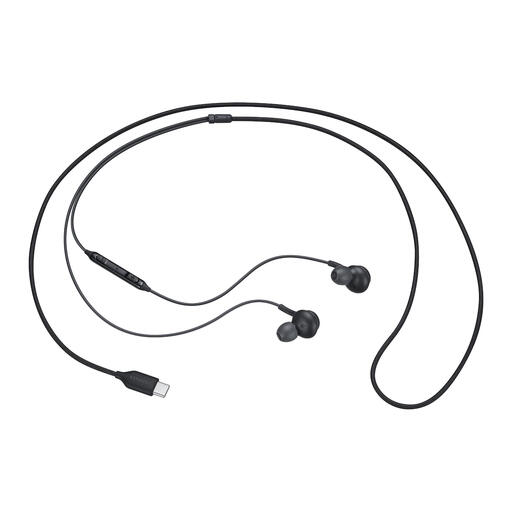
Why it suits this profile: This wired model is suitable for users who do not want to set up or charge Bluetooth and use a device with USB-C audio.
You do not need a battery in the earbuds. However, check beforehand that your device supports USB-C audio.
USB-C connection, in-line controls, microphone and a stated weight of 18.35 grams.

Why it suits this profile: The combination of over-ear comfort, Bluetooth, a stated battery life of up to 60 hours and active noise cancellation suits frequent listeners and travellers.
The product information states the battery life both with and without noise cancellation. The headphones are also neither foldable nor water-resistant, so bear this in mind when making your choice.
42mm transducers, four microphones, transparency mode, 3.5mm cable use and up to 60 hours according to the product description.
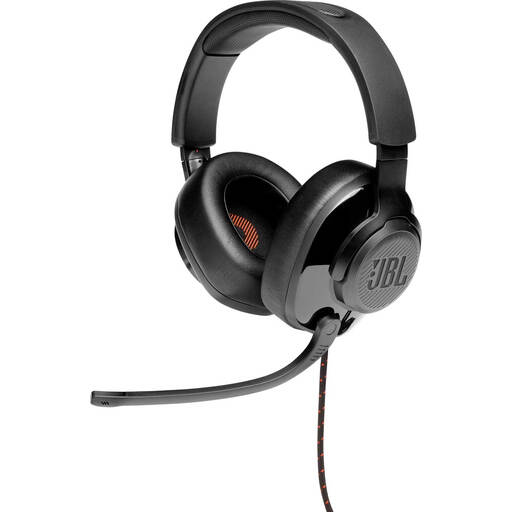
Why it suits this profile: This wired gaming headset is designed for PC and console users who want a boom microphone and over-ear cushions.
The fixed cable prevents charging issues during long sessions. However, check the compatibility of the 3.5mm connection and USB audio adapter.
50mm drivers, flip-up directional microphone, memory foam and support for PC, PlayStation, Xbox, Switch, mobile and Mac.
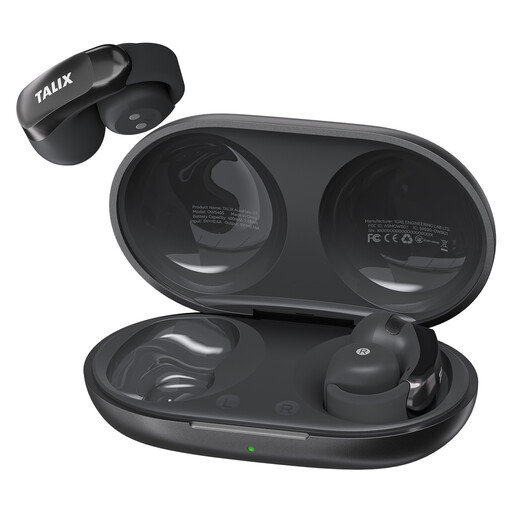
Why it suits this profile: The clip-on design with silicone ear hooks is intended for users who want extra security while moving.
The ear hook is a practical choice when standard in-ear earbuds shift out of place. IPX4 protects against splashes according to the classification, not submersion.
Bluetooth 5.3, four microphones, 5.2 grams per earbud, up to 28 hours with the case and fast charging according to the product description.
We have put together a complete, up-to-date list of products that fully meet these strict selection criteria and the applicable European safety regulations.
Yes, but check the microphone, Bluetooth compatibility and battery life. For fixed workstations, a wired headset with a microphone may be simpler. A model with an adjustable boom microphone generally maintains a fixed distance from your mouth, while microphones in wireless earbuds depend more on their positioning and surrounding noise.
Lifespan depends on usage, storage, cleaning and, above all, the battery in wireless models. Store TWS earbuds in the charging case, avoid moisture beyond the stated IP rating and do not charge lithium batteries with damaged cables. With wired earbuds, the cable is often the component that wears out more quickly due to frequent bending.
In addition to the purchase price, charging accessories and battery replacement are relevant. A wireless model needs to be charged regularly; wired headphones use no power while you are listening. When choosing noise-cancelling headphones, also check the battery life with ANC switched on, as it may be lower than the stated duration without active noise cancellation.
