
Practising vowels at home
You listen to short words and quiet passages repeatedly to compare Dutch vowels. Oefenen.nl offers practice materials for Dutch vowels, letters and words.


If you practise in a quiet room, you can compare a comfortable wired model with an open-back pair of headphones. Wired listening means you won’t need to charge a battery, provided the connection is compatible with your device. In a noisy environment, a well-fitting pair or active noise cancellation can help you avoid constantly turning up the volume. However, none of these designs has been proven to be better for recognising Dutch vowels.
You listen to short words and quiet passages repeatedly to compare Dutch vowels. Oefenen.nl offers practice materials for Dutch vowels, letters and words.
You practise somewhere where background noise might tempt you to turn up the volume. The World Health Organization highlights a good fit and, where useful, noise cancellation as factors to consider for safe listening.
You wear your headphones for longer sessions and want to check that they remain comfortable. The Consumentenbond assesses wearing comfort as a separate criterion for headphones.
Choose this if: you usually listen on a device with a compatible audio output and don’t want to keep charging your headphones.
Trade-off: passive noise isolation depends on the fit. Also check that the cable and connection are compatible with your device.
Choose this if: background noise makes quiet passages difficult to hear and you want to compare noise-cancelling options.
Trade-off: you’ll need to manage the battery and Bluetooth connection; ANC is no proof of better learning outcomes.
Choose this if: you want to try an open-back design in a quiet space of your own.
Trade-off: open-back headphones aren’t a sensible choice if you want to block out surrounding noise or avoid disturbing others.
| What to consider | What to look for | Who is this important for? |
|---|---|---|
| Comparing quiet vowels | Use your own practice recording to check whether you can replay the words comfortably at a low volume. | I want to compare quiet Dutch vowels repeatedly without listening at maximum volume; around 37% of consumers prioritise comparing sound. |
| Background noise | Assess how well they seal on your own head, and check whether the model has ANC or an ambient sound mode. | If background noise disrupts my practice, I want to be able to reduce it without constantly turning up the volume; around 27% of consumers say background noise is their main concern. |
| Wearing comfort | When trying them on, check for pressure from the headband and ear pads, including if you wear glasses. | When listening repeatedly, I want a fit that still feels comfortable after a while; around 18% of consumers prioritise wearing comfort. |
| Connection and use | Check the output on your practice device, the cables supplied and, for wireless use, the listening options you need. | I want to connect my headphones directly to my practice source and know whether I’ll need to charge them; around 18% of consumers prioritise connectivity and ease of use. |
Noise cancellation can help you avoid automatically turning up the volume in a noisy environment, but it is no proof of better recognition of Dutch vowels.
Assess ANC in the context of where you listen, and try your own quiet practice material at a comfortable volume.
The open-back design of the Sennheiser HD 560S does not block out surrounding noise and is not designed to keep your listening sound from disturbing others.
Save open-back models for a quiet spot. If you need more isolation, compare a closed-back model using your own practice material.
Connections and included cables vary by model.
Before buying, check your device’s output and which cables come with the headphones.
Depending on the connection on your source device, you may need a suitable adapter.
The wired, closed-back ATH-M40x is an option if your device has a compatible audio output.
The open-back, wired HD 560S is an option for a quiet listening space of your own.
The WH-CH720N combines wireless listening with noise cancellation, an ambient sound mode and a cable option.
The Tune 770NC is a wireless over-ear option with noise cancellation and ambient sound modes.
The QuietComfort Headphones offer Quiet and Aware modes, as well as an audio cable.
These Joybuy picks are worth considering for practising quiet Dutch vowels. They include wireless models and options for listening in environments with background noise. Check that the connection listed for each model is compatible with your practice source.
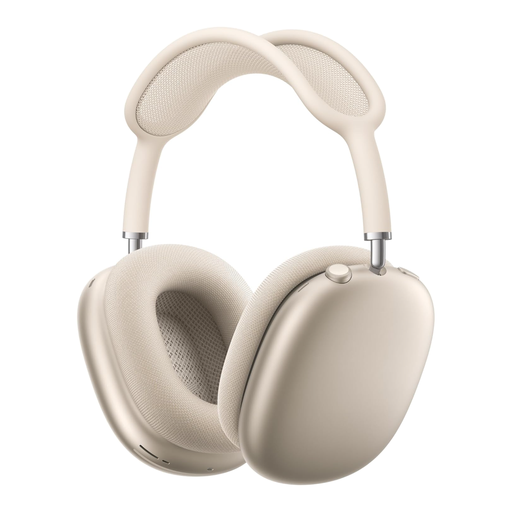 Image unavailable
If background noise disrupts your practice, you can try the listed noise cancellation and Transparency mode with your own recording.
The product description lists active noise cancellation, Adaptive Audio, Transparency, a mesh headband and ear cushions.
 Image unavailable
Whether you listen via Bluetooth or cable, check that the connection and listening mode suit your practice source.
The product description lists Bluetooth, Adaptive Noise Cancellation, Transparency Mode, touch controls and passive listening via the supplied 3.5mm audio cable. It also mentions a padded headband and soft ear cushions.
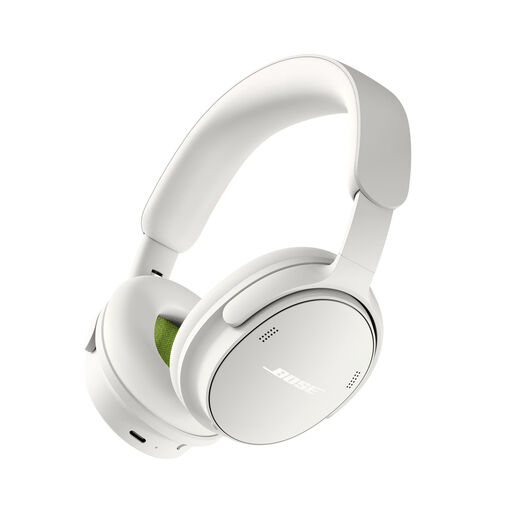 Image unavailable
If you practise in different environments, you can assess how well Quiet and Aware modes suit your listening space.
The product description lists Bluetooth 5.4, on-earcup controls and USB audio, with Quiet Mode featuring noise cancellation and an Aware Mode.
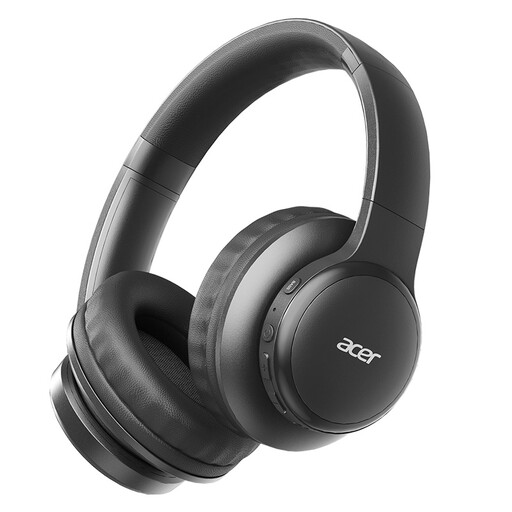 Image unavailable
If your practice source uses Bluetooth, check that the wireless connection suits the way you practise.
The product name lists Bluetooth 5.3, a foldable design and a low-latency mode.
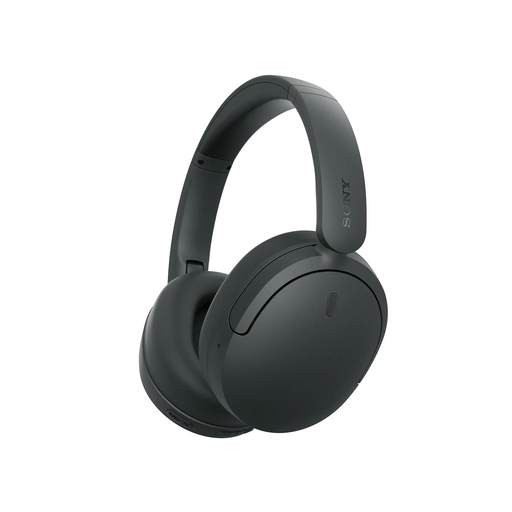 Image unavailable
If background noise distracts you, you can compare the listed noise cancellation and Ambient Sound Mode with your listening space and your own practice material.
The product description lists a closed-back over-ear design, noise cancellation, Ambient Sound Mode and passive listening via a detachable cable. It also mentions a weight of approximately 207 g and soft ear cushions.
No, it isn’t a requirement. In a quiet room, you can also try a suitable model without ANC. If there’s background noise, a good seal or noise cancellation can help you avoid constantly turning up the volume. That doesn’t prove there’s a difference in learning outcomes.
Start at a low volume and deal with distracting background noise by changing your listening space or adjusting the fit. The World Health Organization advises setting your device volume to no more than 60% of the maximum, taking regular breaks and, if sound monitoring is available, keeping the average below 80 dB. This is listening advice, not a Dutch legal volume limit for this purchase.
Check the output on your practice device and which cables are included. According to Audio-Technica, the ATH-M40x comes with detachable cables; Sony lists Bluetooth and passive listening via a cable for the WH-CH720N. For instructions on using, pairing and maintaining your headphones, consult the manual for the exact model.
For online purchases, ACM ConsuWijzer generally gives you a 14-day cooling-off period after delivery; check which exceptions apply. You’re also entitled to a legal guarantee in the Netherlands if, during normal use, the product doesn’t meet the expectations you were entitled to have. The retailer is your point of contact.
Wireless equipment covered by European radio equipment rules must meet the applicable requirements and carry the CE mark before it is placed on the European market. Check the marking and product information for the specific model; a listing on a shop page is not, by itself, proof of compliance.