What should you look for when choosing?
First compare speech playback using your own practice recordings, then choose a fit that feels comfortable during your sessions. Next, consider whether you need to block out background noise and whether a wired or wireless connection better suits your practice space.
The percentages below give an indication of the different buying priorities for headphones used during long sessions practising Dutch vowel sounds.
| What to consider |
What should you look for? |
Who is this important for? |
| Speech and vowel contrasts |
Listen to your own speech recordings using the same sound settings and at a moderate volume. The Consumentenbond assesses speech playback separately from music. |
If I compare vowel sounds repeatedly, I want to assess speech without sound settings changing the comparison. Around 29% of consumers put this first. |
| Comfort during long sessions |
Pay attention to pressure from the headband and ear cushions; if possible, try the fit for a representative length of time. |
If I practise for long periods, I want a fit that stays comfortable around my head and ears. Around 29% of consumers put wearing comfort first. |
| Background noise |
Assess how well the headphones seal around your ears, and check whether noise cancelling or transparency mode suits your practice space. |
If background noise masks my recordings, I want to follow them without constantly turning up the volume. Around 24% of consumers put noise isolation first. |
| Connection and power |
Check your phone or computer’s connection and compare battery life only for the mode you’ll actually use. |
If I practise in one place or want to move around, I want a connection that suits my device and routine. Around 18% of consumers put connection convenience first. |
Joybuy products
This selection of Joybuy products focuses on wireless listening, including over-ear models for practice sessions where background noise or freedom of movement is a consideration.
 No image available
Sennheiser MOMENTUM 4 Wireless, black
A wireless over-ear option with noise cancelling for anyone practising in a room with background noise.
The product name mentions 60-hour battery life, fast charging and four microphones. Check which settings the quoted battery life applies to.
View at Joybuy
 No image available
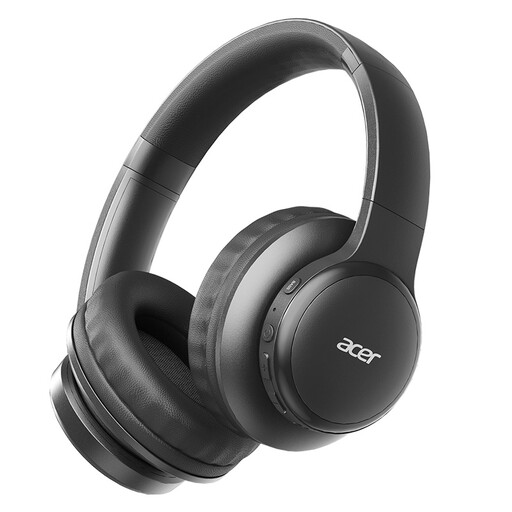
Acer OHR559
A wireless option for anyone who doesn’t want to be tethered by a cable while practising.
The product name mentions Bluetooth 5.3, a foldable design and a low-latency mode.
View at Joybuy
 No image available
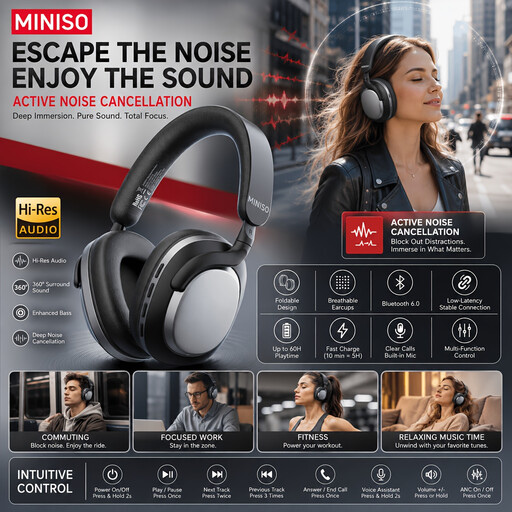
MINISO MG210, black
A wireless over-ear option for anyone who wants to reduce background noise while practising.
The product name mentions noise cancelling and 24-hour battery life.
View at Joybuy
 No image available
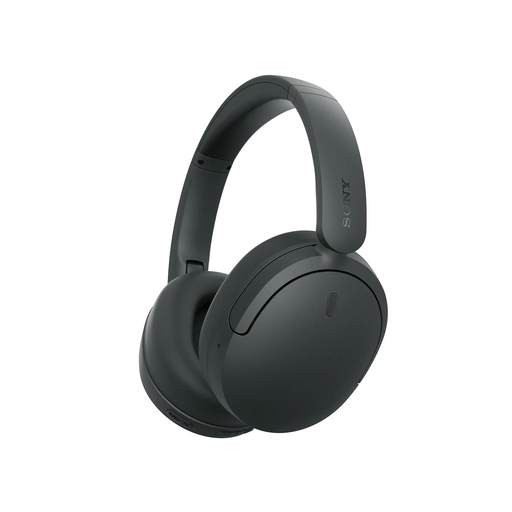
WH-CH730, black
Wireless headphones for anyone who may also want the option of a wired connection while practising.
View at Joybuy
 No image available
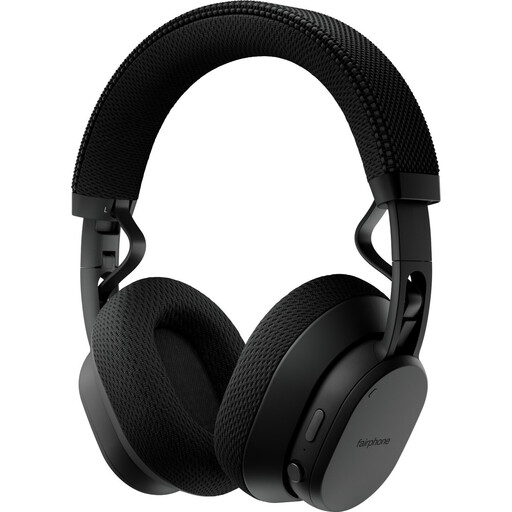
Fairphone Fairbuds XL 2025, black
A wireless option for anyone who may want to use noise cancelling while practising.
View at Joybuy
Frequently asked questions
Do I need to use noise cancelling to practise Dutch vowel sounds?
No, not necessarily. In a quiet room, comfortable headphones without active noise cancelling may be enough. If background noise is distracting, a good seal or noise cancelling may help you avoid turning up the volume too quickly; this does not prove that they improve learning when practising vowel sounds.
How can I make sure a long listening session is safe?
Keep the volume moderate and take breaks. The World Health Organization points out that volume, listening duration and how often you are exposed to loud sounds all matter; quoted battery life is not advice to listen for that long without a break.
How should I care for the ear cushions?
For its over-ear headphones, Sony recommends gently removing dirt with a soft cloth or a cloth dampened with water, then allowing the cushions to dry thoroughly at room temperature. For other brands, follow the care instructions for the exact model.
What are my rights if headphones bought online are uncomfortable or develop a fault?
For online consumer purchases in the Netherlands, a statutory 14-day cooling-off period generally applies from delivery, subject to legal exceptions. If a product is faulty, the seller is responsible under the statutory guarantee; any commercial guarantee is separate.


