What should you look for?
Start by considering your listening environment and whether you only want to listen or also record yourself. Comfort and keeping the volume under control are important when you’re practising repeatedly.
| What to consider |
What should you look for? |
Who is this important for? |
| Comparing speech |
Listen to the same short clips at a comfortable volume; compare speech, not just music ratings. |
If I want to compare short speech clips side by side, I pay attention to how natural the speech sounds. Around 36% of consumers say comparing speech is their top purchasing priority. |
| Reducing background noise |
Check the fit and seal; try noise cancellation on and off with the same clip. |
When conversations or other noise disrupt my practice, I want to listen in greater peace and quiet without turning up the volume. Around 29% of consumers give reducing background noise top priority. |
| Recording and listening back |
Check the microphone and connection; make a test recording and check the selected input and output modes. |
If I want to compare my pronunciation with an example, the recording setup needs to work on my own device. Around 21% of consumers say recording and listening back is their top priority. |
| Comfort and volume |
Try the fit, including with glasses if you wear them; keep the volume under control and take listening breaks. |
For repeated practice sessions, I want a comfortable fit and to listen at a controlled volume. Around 14% of consumers put wearing comfort and responsible listening first. |
Headphones and earbuds at Joybuy
These product picks cover wireless and wired listening, reducing background noise and recording yourself as you practise.
 Image unavailable
Sennheiser MOMENTUM 4 Wireless, Black
A good fit if you want to practise wirelessly; check whether wired listening and a cable for your device are also available.
The product title describes wireless over-ear headphones with noise cancellation, 60 hours of battery life, fast charging and 4 microphones. Test the recording function on your own device.
View at Joybuy
 Image unavailable
Bose Noise Cancelling Wired Earbuds, Black
A wired option if you want compact earbuds for listening to speech clips.
The product name mentions noise cancellation. The connection is USB-C; check that your practice device supports audio over USB-C.
View at Joybuy
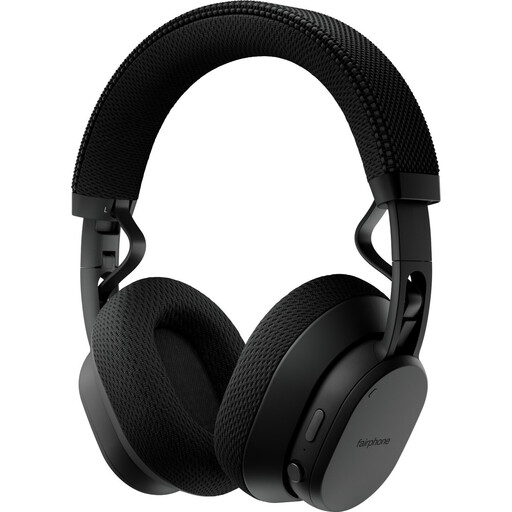 Image unavailable
Fairphone Fairbuds XL 2025, Black
A good fit for anyone who wants to reduce background noise and adjust the sound while practising.
Before buying, check which EQ settings are available and whether the controls work with your practice device.
View at Joybuy
 Image unavailable
Sony WH-CH720N Wireless Bluetooth Headphones, Blue
A good fit if you want to practise wirelessly in a place where background noise is distracting. Test the microphone and playback mode if you want to record yourself.
The product title mentions noise cancellation, Bluetooth, up to 35 hours of battery life and fast charging. Sony specifies up to 35 hours with noise cancellation on for the WH-CH720N; battery life depends on the settings you use.
View at Joybuy
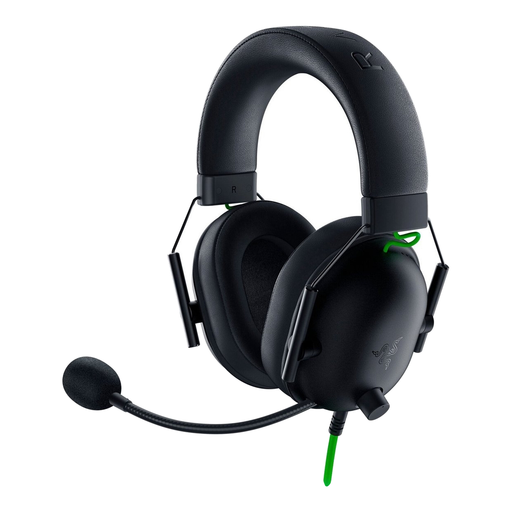 Image unavailable
Razer Blackshark V2 X 7.1 Wired Gaming Headset, Black
A wired headset for listening to examples and using a microphone as you repeat them.
Check that the 3.5 mm connection and microphone work with your practice device. Make a test recording; having a microphone doesn’t prove that the recording is suitable for your practice.
View at Joybuy
Frequently asked questions
Does noise cancellation automatically make Dutch vowels easier to distinguish?
No, noise cancellation alone doesn’t mean that. Choose a good fit and compare the same speech recording at a comfortable volume with the feature switched on and off; the Consumentenbond assesses speech and noise reduction as separate features.
Can I listen back to my own pronunciation with any headphones?
No. Listening and recording are separate steps: you also need a working microphone and recording function. If you’re using Bluetooth, make a test recording on your own computer and check the input source and playback mode; Sony describes this output selection for a supported example model.
How loudly and for how long can I practise?
Listen at the lowest volume that still lets you practise, and reduce your listening time as the volume increases. The World Health Organization gives 80 dB for up to 40 hours per week as an example of a listening dose, not as a guaranteed safe level for every person or every pair of headphones. Well-fitting headphones can help let in less background noise.
How can I keep my headphones in good condition for regular practice?
Clean the ear pads or earbuds according to the model’s instructions, check the fit and see whether the parts can be replaced. beyerdynamic lists replaceable ear pads for the DT 770 PRO 80 Ohm; check this feature for each model.
What are my rights when buying online or if a product is faulty in the Netherlands?
Online purchases generally come with a statutory 14-day cooling-off period after delivery, subject to legal exceptions. You’re also entitled to a product that performs as you could reasonably expect under normal use; a manufacturer’s warranty does not automatically limit these statutory rights. ACM ConsuWijzer explains these rules; also check the terms that apply to the purchase on offer.


