
Listener doing long sessions
Compares lots of clips one after another and wants to avoid the earcups or headband becoming uncomfortable. The Consumentenbond assesses wearing comfort as part of its headphone tests.


Choose headphones that feel comfortable during a long listening session, and compare the same speech clips using the same settings at a similar, moderate volume. Wired open-back headphones are more suited to a quiet room of your own; in a shared or noisy space, closed-back headphones, possibly with noise cancelling, may be more practical. The Consumentenbond assesses speech clips separately, while the WHO stresses that both listening volume and listening time matter.
Compares lots of clips one after another and wants to avoid the earcups or headband becoming uncomfortable. The Consumentenbond assesses wearing comfort as part of its headphone tests.
Replays short pronunciation examples and listens for speech that sounds natural and is easy to understand. The Consumentenbond includes speech clips in its assessments.
Wants to avoid constantly turning up the volume to drown out background noise. The WHO lists noise cancelling as one possible aid when listening in noisy environments.
Start by assessing the fit and your listening environment. Then check that the connection and settings work with your practice device.
| What to consider | What should you check? | Who is this most relevant to? |
|---|---|---|
| Comfort during long sessions | Fit, adjustability and pressure from the headband and ear pads; try the headphones during a typical listening session. | If I listen for a long time, I don't want the headband and ear pads to start pressing uncomfortably. Around 33% of consumers give comfort the highest priority. |
| Speech when comparing clips repeatedly | Compare the same speech clips using the same sound settings at a similar, moderate volume. | I want to judge small differences between pronunciation examples, not just enjoy the sound of music. For around 27% of consumers, comparing speech is the top priority. |
| Background noise | Assess whether a closed-back fit or noise cancelling helps you follow speech at a moderate volume. | In a noisy space, I want to understand the clips without constantly turning up the volume. A quiet listening environment is the top priority for around 20% of consumers. |
| Connection and controls | Check your device's audio output, any adapters you may need, and whether Bluetooth controls work with your devices. | I want to be able to start and pause clips easily on my own practice device. For around 20% of consumers, connection and controls matter most. |
JBL quotes up to 70 hours for the Tune 770NC with Bluetooth on and ANC off. So this battery life doesn't necessarily apply if you use noise cancelling during practice.
Only compare battery life claims when the stated settings are the same, and consider whether ANC will be on during your sessions.
An open-back design lets sound in and out more easily. This can make it less suitable if other people are nearby or you're listening in a noisy environment.
Choose the design to suit where you'll be using the headphones, and check whether people nearby might hear what you're listening to.
According to ACM ConsuWijzer, your statutory rights apply alongside any manufacturer's warranty.
First check what statutory rights you have, then decide whether any extra cover is worth having.
The wired, open-back HD 560S is an option for analytical listening in a quiet room.
The wired, closed-back ATH-M40x is an option if you want to reduce background noise.
The closed-back WH-CH720N combines wireless listening and noise cancelling with a wired input.
The wireless Tune 770NC is an option if you switch between devices and want to adjust the settings.
The wired, open-back SHP9500CY/00 is an option for listening sessions at home.
This selection features wireless over-ear headphones with noise cancelling. For long pronunciation comparisons, pay particular attention to fit, connection options and settings.
 No image available
The described fit and noise cancelling may suit long sessions where background noise is distracting.
Product information lists adaptive noise cancelling, adjustable EQ and an included 3.5 mm cable. It also mentions a padded headband and deep, cushioned ear pads.
The product title quotes 60 hours of battery life; check the conditions under which this applies.
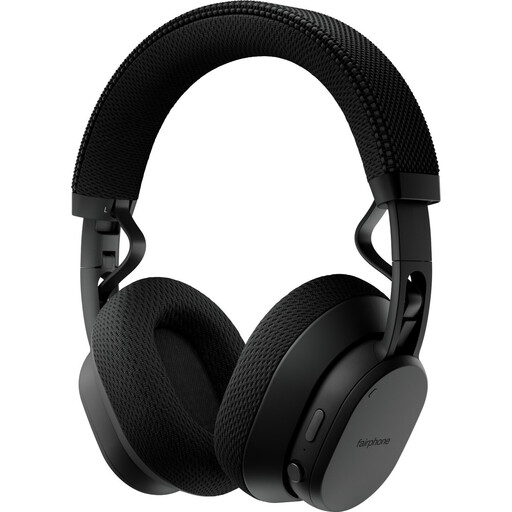 No image available
This model may suit you if you want both noise cancelling and adjustable sound settings for long sessions.
Product information lists a closed-back design, hybrid ANC, an ambient sound mode, multipoint connectivity and adjustable EQ. Mesh on the headband and ear pads is also mentioned, though fit is a personal matter.
 No image available
Closed-back over-ear headphones with noise cancelling may be an option if background noise disrupts your comparisons.
Product information lists active noise cancelling, multipoint connectivity and an audio cable. It also mentions ear pads and a design with minimal clamping force; try the fit for yourself.
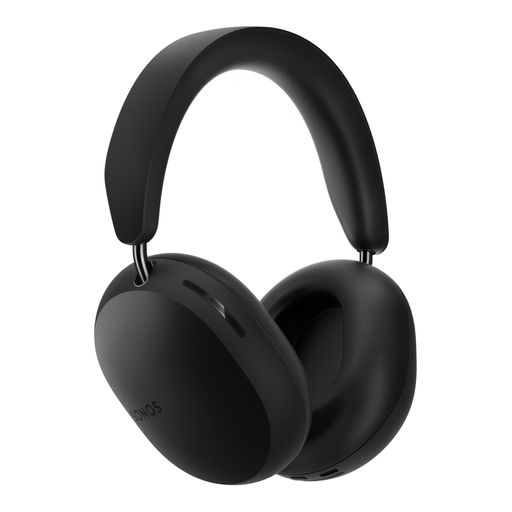 No image available
These over-ear headphones may suit a listening set-up where you want to consider noise cancelling alongside both wireless and wired connections.
Product information lists active noise cancelling, adjustable EQ, multipoint connectivity and wired audio sources via the included cables. It also mentions an adjustable headband and soft memory foam ear pads.
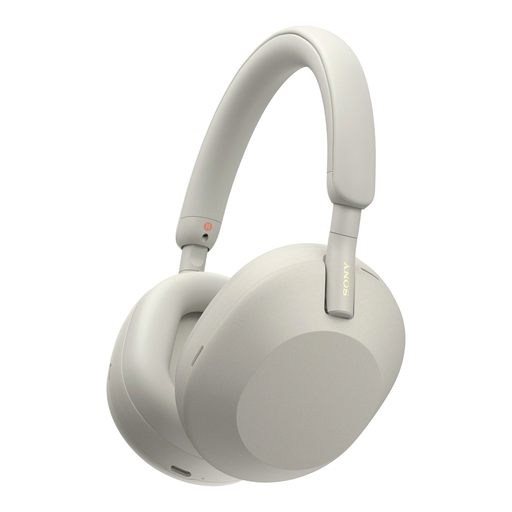 No image available
This wireless model may suit you if you want to combine noise cancelling with sessions where you switch between two devices.
Product information lists noise cancelling and simultaneous connection to two devices. The user information says a good fit is essential for effective noise cancelling.
Use the same playback set-up and sound settings, and listen at a similar, moderate volume. The Consumentenbond assesses speech clips separately because spoken audio should sound natural.
Connect wired headphones to the audio output, using a suitable adapter if necessary. For Bluetooth, you need to pair and charge the headphones; check the manual and test the connection with your own devices.
Keep the volume moderate and take regular breaks. The WHO gives an average of 80 dB for up to 40 hours a week as an example, and notes that safe listening time falls quickly as sound levels rise. This is not a volume setting that you can read directly from your headphones without taking a measurement.
For online purchases in the Netherlands, you generally have a 14-day cooling-off period from delivery, with some exceptions. Separately, statutory rights apply if the product doesn't perform as you could reasonably expect under normal use; the retailer is your point of contact.
Yes. According to the Dutch Authority for Digital Infrastructure, electrical and electronic equipment, including headphones, must carry the correct CE mark. Check the mark on the version you receive; a product listing alone doesn't confirm this.