When comparing example sentences with downloaded recordings, a comfortable fit, clear speech reproduction and the right connection matter more than a built-in microphone. If you also record your own voice, check separately which microphone your device and recording app use. In a noisy room, a well-sealed pair of headphones or noise cancellation can help you listen at a lower volume; open-back headphones are better suited to a quiet room.
Who is this choice relevant to?
Listener comparing pronunciation
You compare Dutch sounds or sentences in example and recording files. Clear speech and the ability to replay recordings easily matter more to you than extra music features. NT2 TaalMenu offers exercises where you compare sounds; the Consumers’ Association describes speech clips as a separate part of its headphone test.
Language learner recording themselves
You repeat an example, record yourself and listen back to both files. So check not only the headphones, but also which microphone and recording app you use. The exercises from NT2 TaalMenu show how example sounds can be compared.
Practising in a shared space
You want to follow speech without turning up the volume whenever there’s background noise. Fit and isolation, or noise cancellation, are important considerations. The WHO recommends well-fitting headphones or noise cancellation to make you less likely to turn up the volume in noisy environments.
What should you consider when choosing?
Closed-back wired headphones
Best for: repeated listening in one place, with a device that has a compatible audio output.
Consider: you’ll be tethered by a cable. If you want to record your own voice, check the microphone and app separately.
Wireless headphones with noise cancellation
Best for: practising in a shared or noisy space, or listening wirelessly.
Consider: noise cancellation or a quoted battery life doesn’t prove how clearly specific Dutch sounds will come through.
Open-back wired headphones
Best for: practising in a quiet room when you want to keep hearing your own voice as you speak.
Consider: an open-back design does less to block out background noise and may let sound escape to others.
| What to consider |
What should you check? |
Who is this important for? |
| Distinguishing speech |
Compare the same example and recording files at a comfortable volume; frequency range alone doesn’t prove better speech reproduction. |
When I compare Dutch sounds in example sentences and downloaded files, I want to be able to follow differences in speech clearly. Around 33% of consumers put distinguishing speech first. |
| Recording yourself and listening back |
Check which microphone is selected as the input and whether your recording app works with it; then listen back to both your example and your recording. |
When I also record my own pronunciation, I want to know that the right microphone and app are being used. Around 27% of consumers prioritise a working recording and playback setup. |
| Background noise |
Consider fit and isolation. If the headphones have noise cancellation, also check how it’s controlled and whether you still need to hear your surroundings. |
When I practise around other people, I want to follow speech without continually turning up the volume. Around 20% of consumers prioritise a quiet environment when practising. |
| Fit and simplicity |
Consider the pressure from the headband and ear cushions, including when wearing glasses. Decide in advance whether you need a microphone, battery or noise cancellation. |
For repeated practice, I want comfortable headphones without features I don’t need. Around 20% of consumers prioritise comfort and a simple set-up. |
How to avoid common buying mistakes
-
Assuming the built-in microphone will automatically be used
A microphone for calls doesn’t guarantee that your recording app will select the same microphone as its input.
Make a short test recording with your own device and app first, then check which input is selected.
-
Mistaking a music claim for proven speech reproduction
A claim about bass or frequency range doesn’t, by itself, tell you how clearly your Dutch pronunciation files will sound. The Consumers’ Association describes speech clips as a separate part of its headphone test.
Compare the same speech clips at a comfortable volume, and take fit and your listening environment into account when choosing.
-
Choosing open-back headphones for a noisy shared space
An open-back design blocks out less background noise than a closed-back design.
Choose open-back headphones mainly for a quiet room. If there’s background noise, first consider the fit and whether closed-back ear cups or noise cancellation would suit your situation better.
-
Confusing a paid extra warranty with your statutory rights
The Dutch government states that there is no fixed statutory warranty period in the Netherlands, and that you should contact the seller if a product is faulty.
Before paying, read what additional cover the extra warranty provides, and keep it separate from your statutory rights.
Brands and models to consider
Audio-Technica
The wired ATH-M40x is a closed-back listening option for comparing recordings through a compatible connection.
- Audio-Technica lists closed-back ear cups and a detachable cable for the ATH-M40x.
- The manufacturer’s description isn’t an independent test of Dutch pronunciation. If you want to record yourself, check your microphone and app separately.
Sony
The WH-CH720N offers wireless listening, with the option to listen using a cable too.
- Sony lists noise cancellation, passive operation and a detachable cable for this model.
- For recordings, check separately which microphone your recording app uses; the product specifications don’t establish pronunciation accuracy.
Sennheiser
The HD 280 PRO and HD 550 represent different listening environments: closed-back and open-back.
- Sennheiser lists a closed-back design and replaceable ear cushions for the HD 280 PRO, and an open-back design for the HD 550.
- Your choice also depends on background noise and whether you want to hear your own voice; the manufacturer’s descriptions aren’t a comparative pronunciation test.
JBL
The Tune 770NC is a wireless option for practising somewhere other than a quiet room.
- JBL lists noise cancellation and adjustable listening modes for this model.
- JBL describes a bass-focused sound profile and battery life that varies depending on the mode used; neither proves how specific Dutch sounds will come through.
Philips
The open-back, wired SHP9500/00 is an example of a home-listening design without noise cancellation.
- Philips lists an open-back design and breathable ear cushions for this model.
- Philips says the SHP9500/00 is no longer available. Treat it as an example of an open-back design, rather than a current buying recommendation.
Joybuy products for listening and practising
This selection includes wireless headphones for playing recordings, including models with noise cancellation, and a wired headset for listening back and recording speech. If you record yourself, always check which microphone your device and app actually use.
 No image available
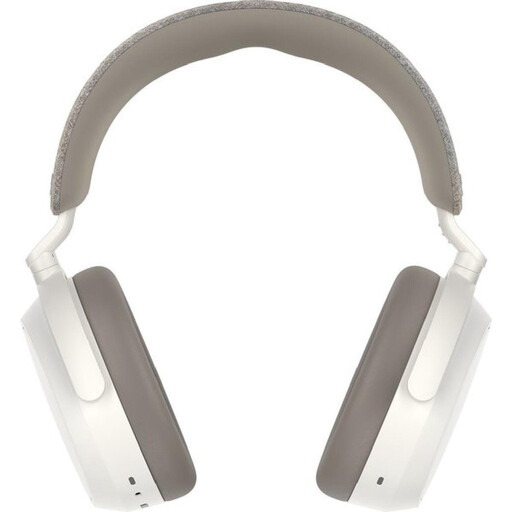
Sennheiser MOMENTUM 4 Wireless, white
A wireless option for playing and listening back to pronunciation files; the product information also lists wired, passive listening.
Bluetooth playback and noise cancellation.
3.5mm connection for passive listening; quoted battery life of up to 60 hours.
Joybuy
 No image available
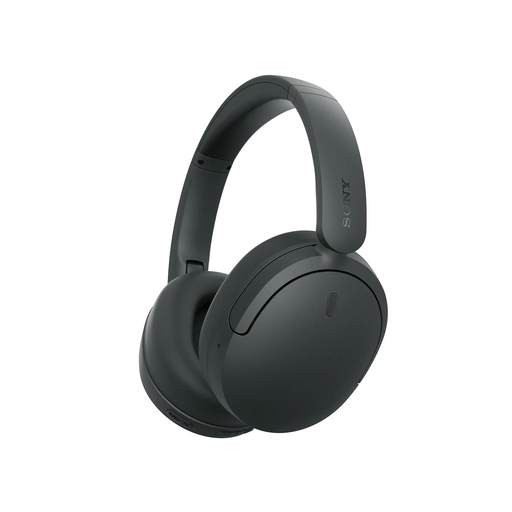
WH-CH730 Wireless Headphones, black
Wireless headphones for playing recordings and, according to the product description, listening back using a cable too.
Closed-back over-ear design and noise cancellation.
Detachable cable and passive listening.
Joybuy
 No image available
Bose QuietComfort Ultra Bluetooth Headphones, black
A wireless option for playing existing recordings; the product information also lists listening via an audio cable.
Bluetooth playback, active noise cancellation and a closed-back over-ear design.
3.5mm connection for wired listening.
Joybuy
 No image available
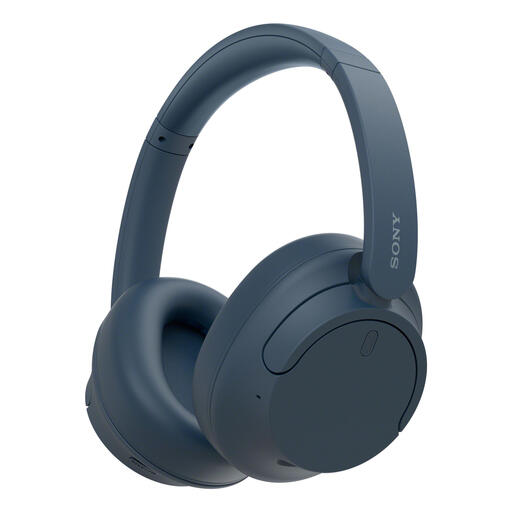
Sony WH-CH720N, blue
A wireless option for playing pronunciation clips in a room with background noise.
Bluetooth playback, active noise cancellation and connectivity with smartphones and laptops.
The product information lists battery life of up to 35 hours with noise cancellation enabled.
Joybuy
 No image available
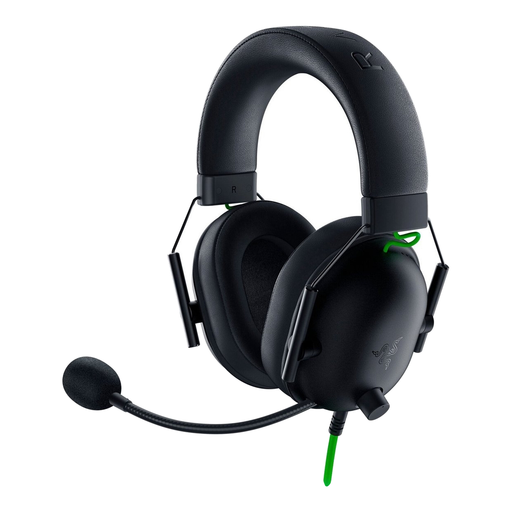
Razer BlackShark V2 X 7.1 Wired Gaming Headset, black
A wired headset for listening back to files. If you use it to record yourself, first check whether your recording app uses the headset microphone.
3.5mm connection; the product information lists a cardioid microphone and passive noise cancellation.
Wired playback requires a device with a compatible 3.5mm connection.
Joybuy
Frequently asked questions
Do I need a built-in microphone to compare downloaded recordings?
No, not if you’re only playing and comparing files. If you want to record yourself, make a test recording and check on your device and in the app which microphone is selected as the input; a headphone connection doesn’t confirm this.
How can I listen safely if I repeat pronunciation exercises often?
Keep the volume low and take breaks. The WHO emphasises that safe listening depends on both sound level and listening time. It recommends well-fitting headphones or noise cancellation to make you less likely to turn up the volume in noisy environments. The volume setting alone doesn’t measure the sound level at your ear.
What are my rights if my headphones become faulty?
In the Netherlands, you’re entitled to a product that works as it should, with no fixed statutory warranty period. The Dutch government says to contact the seller if a product is faulty; a paid extra warranty doesn’t replace those rights. Also check how much replacement cables or ear cushions cost for the exact model.
What rules apply to wireless headphones in the Netherlands?
European product safety rules apply to electrical and electronic devices. The Dutch Ondernemersplein also lists the rules for radio equipment, which apply to devices with Bluetooth. The responsible market operator must provide the required CE marking and EU declaration of conformity; this alone doesn’t prove that a specific item complies.
Can I return headphones bought online if they’re uncomfortable?
For many distance purchases from a business, you have a 14-day cooling-off period. Before buying, check the returns information and any possible exceptions; the Dutch government’s general guidance doesn’t decide every individual return case.


