
If you want to compare pronunciation
You listen to short Dutch speech samples alongside soft passages and want to assess differences in sound without constantly changing the volume.


If you listen in a noisy space, start with a well-fitting pair of closed-back headphones. Active noise cancellation is particularly worth considering if there’s a persistent low hum. According to the Consumers’ Association, noise cancellation often deals well with the low rumble of vehicles, but that doesn’t tell you everything about voices. In a quiet, fixed location, wired headphones can be a practical way to compare clips directly; an open-back design isn’t intended to isolate you from noise. Compare the same clips at the same moderate volume, and check that the connection and fit suit your listening setup.
You listen to short Dutch speech samples alongside soft passages and want to assess differences in sound without constantly changing the volume.
You practise somewhere that background noise can drown out quiet clips, and are weighing up fit, passive isolation and active noise cancellation.
You listen for extended periods in a fixed, usually quiet location, and value wearing comfort and a suitable connection more than portability.
Start by considering where you listen and how your audio source connects. Then weigh up fit, background noise and comfort using the same speech and soft clips.
A good fit if: you want to compare clips directly in a fixed location and your playback device has a compatible audio connection.
The trade-off: you’ll need a suitable cable and connection. Also check that the ear cushions feel comfortable during longer sessions.
A good fit if: background noise regularly masks soft passages, for example, a persistent low hum.
The trade-off: noise cancellation doesn’t reduce every sound equally well. Check the fit, battery life in your chosen mode, and whether you need to hear your surroundings.
A good fit if: you listen somewhere quiet and are specifically considering an open-back design.
The trade-off: an open-back design isn’t for blocking out background noise. Also check that it connects to your audio source.
| What to consider | What to look for when buying | Who should pay particular attention? |
|---|---|---|
| Pronunciation and soft passages | Compare the same clips at the same moderate volume; check that the connection suits your audio source. | I want to hear differences in pronunciation without constantly adjusting the volume; around 40% of consumers give pronunciation details and soft passages top priority. |
| Background noise | Assess the fit and noise reduction where you listen; if you choose a wireless model, check whether noise cancellation can be switched off. | If background noise drowns out quiet sections, I want to know what the headphones will block out where I listen; around 30% of consumers prioritise reducing background noise. |
| Comfort during longer sessions | Assess the fit, if possible while wearing glasses, and check whether suitable replacement ear cushions are available. | When practising regularly or for long periods, I want the headphones to stay comfortable; around 20% of consumers put long-term wearing comfort ahead of other considerations. |
| Being able to hear your surroundings | Consider whether an open-back design or a switchable ambient sound mode suits where you listen. | When I need to be able to respond to people, I want to hear my surroundings; around 10% of consumers give this top priority. |
Noise cancellation and speech reproduction are separate considerations. Don’t just assess how much background noise is reduced; listen to your own pronunciation clips too.
Compare the same clips at the same volume, and assess noise reduction separately.
An open-back design is a different choice from a closed-back model intended to provide isolation. In a noisy space, background noise may still drown out soft passages.
Choose an open-back model only if your listening space is quiet enough; otherwise, compare closed-back fits first.
Ear cushions and other parts can be specific to a particular model, so a part for a similar model may not fit.
When buying, check the exact model and whether suitable parts are available.
The wired, closed-back ATH-M40x is an example of headphones designed for listening in a fixed location.
The open-back, wired HD 560S is one option for analytical listening in a quiet space.
The closed-back, wireless WH-CH720N is an example of a model with noise cancellation and a switchable ambient sound mode.
The Live 780NC (over-ear) and Live 680NC (on-ear) illustrate different wearing styles within a wireless range.
The Joybuy options below are mainly wireless headphones with noise cancellation, for situations where background noise may drown out soft clips. Compare the controls, fit and connection options with your own listening setup.
 Image unavailable
An option to consider if you want to listen wirelessly and noise cancellation matters to you.
The product name lists 60 hours of battery life, fast charging and 4 microphones.
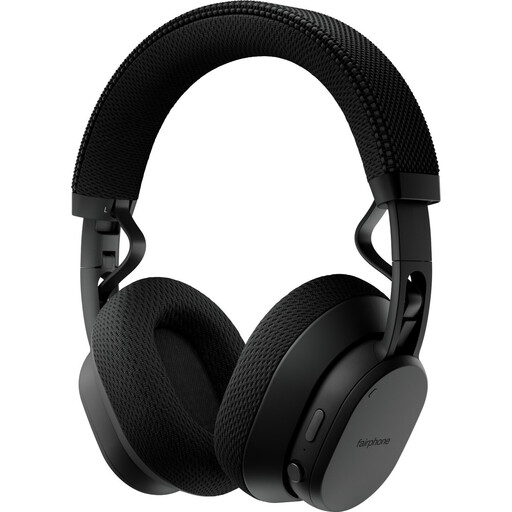 Image unavailable
An option if you want to listen to soft clips with less background noise while still being able to hear your surroundings.
The stated battery life varies depending on whether noise cancellation is on or off.
 Image unavailable
An option if you want to switch between wireless listening and listening with an audio cable.
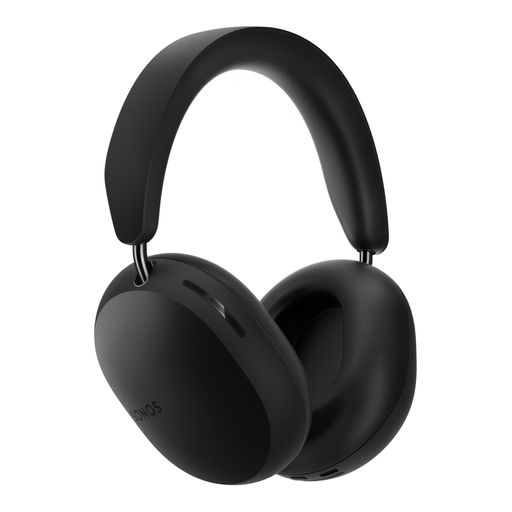 Image unavailable
An option if you want to compare from a fixed source and also have the option of listening wirelessly.
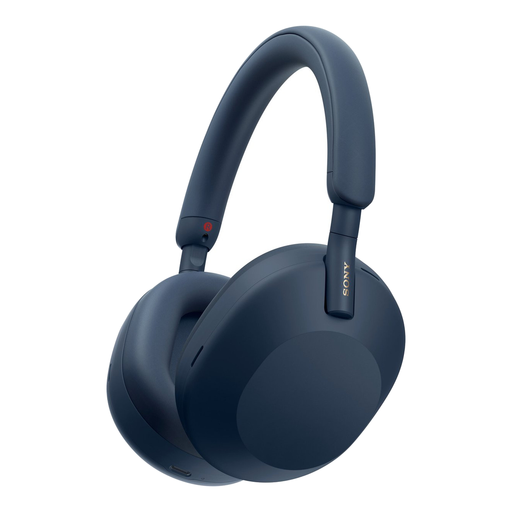 Image unavailable
An option if you want to use noise cancellation and switch between two Bluetooth sources.
Use the same source and the same moderate volume for every clip. The World Health Organization advises keeping listening volume down and taking regular breaks; a good fit and noise cancellation can reduce the need to turn up the volume in a noisy environment.
For a wired model, check that your playback device’s connection is compatible with the cable supplied. If you use your headphones frequently, also check whether replacement ear cushions are available for the exact model; Audio-Technica lists replacement ear cushions for the ATH-M40x.
According to the Netherlands Authority for Consumers and Markets’ ConsuWijzer service, online purchases generally come with a statutory 14-day cooling-off period after delivery, subject to legal exceptions. You’re also entitled to a statutory guarantee if a product fails to meet reasonable expectations during normal use; this doesn’t automatically mean a fixed two-year guarantee period.
Business.gov.nl lists the Radio Equipment Directive and applicable conformity requirements for electrical equipment with Bluetooth. A CE mark is not a quality mark; it doesn’t tell you how good a pair of headphones sounds.
The Dutch Government says that listening to music hands-free while driving is permitted, but you must not hold a mobile electronic device while doing so. The advice is to keep background sounds audible and the volume low; don’t analyse pronunciation clips while travelling.