
Listener with a full phone
You want to keep listening to poems in an app, but downloads and cached data are taking up space. Spotify uses your device’s storage for both; standard Bluetooth headphones don’t provide extra storage.


If your phone is running out of space, choose comfortable headphones and manage downloads and cached data in your listening app: standard Bluetooth headphones don’t move app files onto the headphones themselves. If you want to listen without your phone, choose a model with its own file browser and check whether you can transfer spoken-word recordings in a supported format. For noisy places, fit, seal and keeping the volume at a sensible level are all important considerations.
You want to keep listening to poems in an app, but downloads and cached data are taking up space. Spotify uses your device’s storage for both; standard Bluetooth headphones don’t provide extra storage.
You want to play spoken-word recordings directly from your headphones. Shokz says you’ll need compatible audio files that can be transferred; streaming downloads can’t be played directly on the OpenSwim Pro.
You want to follow spoken words without constantly turning up the volume. Consider the fit and seal: the Consumentenbond describes on-ear headphones as more compact and over-ear models as often comfortable for longer listening sessions.
First work out whether you’re short of space on your phone or want to listen without your phone. Then choose based on comfort and the surroundings in which you’ll listen to spoken-word recordings.
| What to consider | What should you look for when buying? | Who is this important for? |
|---|---|---|
| Storage and offline listening | Decide whether you want to manage app downloads and cached data or transfer compatible files to your headphones’ storage. Spotify uses your device’s storage for cached data and downloads; Shokz says files are transferred to the OpenSwim Pro using the supplied cable. | If I keep listening through an app, I want to know how much space downloads and cached data take up; without my phone, I need files that can be transferred. Around 36% of consumers prioritise storage or offline playback. |
| Hearing spoken words clearly | Consider the fit and seal in the places where you listen. According to JBL, a vocal EQ setting such as the one on the JBL Tune 520C USB-C focuses on the mid-range frequencies of voices; also check that your device supports USB-C audio. | If I’m listening to a spoken-word recording in a noisy place, I want to follow the words without constantly turning up the volume. Around 29% of consumers prioritise clear speech. |
| Comfort during long sessions | Try the headphones on if possible and check for pressure, warmth and adjustability. The Consumentenbond says over-ear headphones are often comfortable for long listening sessions, while on-ear models are more compact; fit is still a personal matter. | If I want to listen to an entire spoken-word recording, my headphones need to stay comfortable. Around 21% of consumers prioritise comfort over long periods. |
| Staying aware of your surroundings | Choose deliberately between an open design, an awareness mode and a more enclosed fit. VeiligheidNL has found no evidence that bone conduction reduces the risk of hearing damage; keep the volume at a sensible level. | If I’m listening while out and about, I want to remain aware of surrounding sounds. Around 14% of consumers prioritise awareness of their surroundings. |
Shokz says that downloaded tracks from streaming platforms can’t be played through the OpenSwim Pro’s built-in player.
Before buying, check that you can get Dutch spoken-word recordings as transferable files in a supported format.
To play audio independently, you’ll need compatible audio files; Shokz says files are transferred using the supplied cable.
Background noise can tempt you to turn up the volume. VeiligheidNL has found no evidence that bone conduction reduces the risk of hearing damage.
Keep the volume at a sensible level. For noisy places, also compare the fit and seal of noise-cancelling over-ear headphones.
A USB-C connector doesn’t automatically mean that every playback device supports audio through that connection.
Before buying, check that your phone, tablet or computer outputs audio through the USB-C connector in question.
In the Netherlands, your statutory guarantee is separate from the manufacturer’s warranty. A fixed two-year period isn’t the only measure of what you can reasonably expect from a product.
Keep your proof of purchase and report any fault to the retailer. ACM ConsuWijzer explains that if a product breaks down sooner than could reasonably be expected, you can ask the retailer for an appropriate solution.
The OpenSwim Pro is worth considering if built-in storage and listening without a phone are important to you.
The TAH8506BK/00 is an over-ear option to compare if you listen in noisy places.
The WH-CH520 is a compact wireless on-ear option for listening through your phone.
The Tune 520C USB-C and Tune 520BT offer different wired and wireless ways to listen.
This Joybuy selection includes a wired USB-C option, wireless and over-ear models, and an open-ear model with MP3 storage. Check for each model whether listening from your device or playing your own files suits your storage needs.
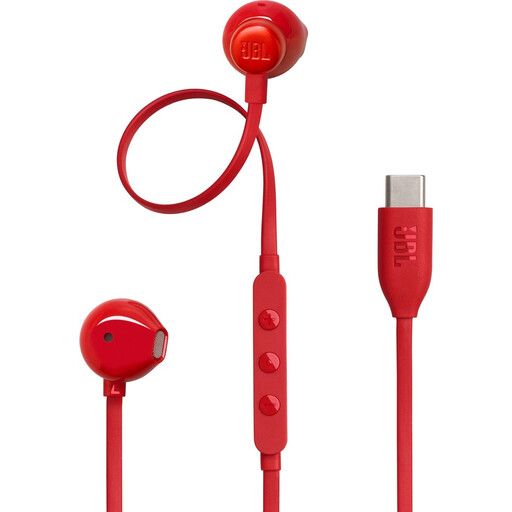 No image available
A wired option if you want to listen to spoken-word recordings without relying on the headphones’ battery.
Check that your playback device supports USB-C audio.
 No image available
A wireless over-ear option to compare if you mainly listen from a paired device and want a more enclosed fit.
The product name mentions noise cancelling and 60 hours of battery life.
 No image available
An over-ear option for listening to spoken-word recordings from a paired device.
The product name describes an over-ear Bluetooth headset.
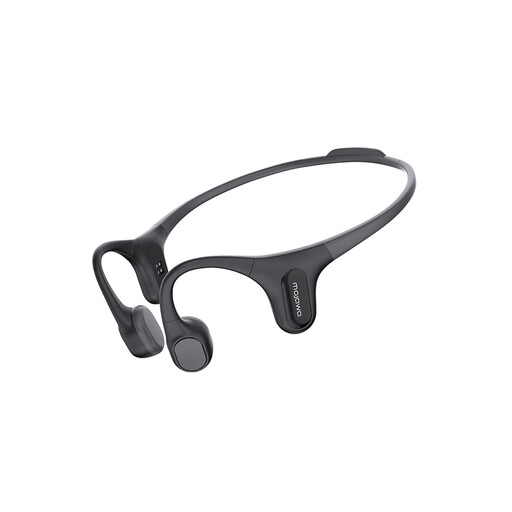 No image available
An option to compare if you want to listen without your phone and transfer your own audio files.
The product name mentions an MP3 player with 32 GB of storage and an open-ear design.
 No image available
An option to compare if you want to listen to spoken-word recordings from a paired device; app downloads and cached data use space on that device.
No. Spotify uses your device’s storage for cached data and downloads. You can manage unused downloads or clear the cache; check the settings in the app you use.
According to Shokz, you can’t: downloads from Spotify and other streaming platforms can’t be played through the built-in player. MP3 mode requires separate, transferable files in a supported format; you can transfer them using the supplied cable.
First check that your phone, tablet or computer supports audio through the USB-C connector in question. A cable means you don’t have to rely on a headphone battery, but it does limit your freedom of movement.
No. According to ACM ConsuWijzer, statutory guarantees are separate from manufacturer’s warranties, and the Netherlands has no fixed statutory two-year guarantee period. If a product breaks down during normal use sooner than could reasonably be expected, ask the retailer for an appropriate solution.
No. VeiligheidNL has found no evidence that bone conduction reduces the risk of hearing damage. Consider the volume and how long you listen; the World Health Organization gives an average of 80 dB for up to 40 hours per week as an example for adults, not as a guaranteed safe setting for every situation.