
Evening practice listener
Listens to Dutch museum stories at home again and again and wants a comfortable volume at which speech is easy to follow. The World Health Organization advises keeping the volume low.


For evening practice sessions, a comfortable fit and clear speech are important factors to consider. If you’re listening later in a museum, an ambient sound mode can be useful, but it doesn’t replace paying attention to what’s happening around you. Also check how the museum plays its audio tour, compare battery life only at the same setting, and check the CE marking on the actual product.
Listens to Dutch museum stories at home again and again and wants a comfortable volume at which speech is easy to follow. The World Health Organization advises keeping the volume low.
Wants to listen to an audio tour on their own phone and sometimes hear what’s going on around them while walking. Museums such as Wereldmuseum Amsterdam and the Stedelijk Museum describe different ways to listen to their audio tours, so check the arrangements at the museum you’re visiting.
Wears headphones for longer practice sessions and compares fit, controls and battery life using the settings they plan to use. Manufacturers’ battery life estimates can depend on the mode selected.
Start with the playback device and where you’ll be listening. Then compare fit, ambient sound and battery life for the way you plan to use your headphones.
| What to consider | What to look for | Who should pay extra attention? |
|---|---|---|
| Following spoken Dutch | Look for a comfortable fit and easy-to-use volume controls; start at a low volume. | If I’m practising with stories at home, I want to follow them comfortably without constantly turning up the volume. Around 36% of consumers put speech clarity first. |
| Hearing your surroundings | Check whether the exact version has an ambient sound mode and how to use it. | When I’m visiting a museum, I sometimes want to hear conversations or announcements around me. Listening with awareness of your surroundings is the top priority for around 29% of consumers. |
| Fit for longer sessions | Compare the wearing style and adjustability; try the headphones on yourself if possible. | If I’m listening for a long time, I want to know whether the headphones feel comfortable on my head and ears. Fit comes first for around 21% of consumers. |
| Battery life and devices | Compare battery life using the same ANC setting and check the connection or device pairing you need. | If you switch between your own listening devices or have longer sessions, you’ll want to estimate battery life using your chosen settings. Battery life and switching between devices are the main considerations for around 14% of consumers. |
Museums may offer audio tours that you can listen to on your own phone, a loan device or a dedicated audio tour device that you carry with you. Headphones won’t automatically work with every playback option.
Before your visit, check how the tour is played and which connection or connector the device supports.
The stated battery life can vary depending on whether noise cancelling is on or off. A maximum figure with ANC off doesn’t tell you how long the headphones will last with ANC on.
Compare manufacturers’ estimates only at the same ANC setting, and bear in mind the settings you want to use.
A manufacturer’s warranty is separate from your statutory right to a product that meets reasonable expectations. The Dutch government states that there is no fixed statutory warranty period for all products in the Netherlands.
If there’s a problem with a faulty product, contact the seller. If you’re considering a paid warranty extension, compare what additional rights it actually gives you.
The WH-CH720N is an over-ear model worth comparing if you want to look at ambient sound mode and battery life across different settings.
The Tune 770NC is an over-ear model worth comparing if ambient modes, a foldable design and connecting to two Bluetooth devices matter to you.
The TAH6509BK/00 is an over-ear model you can use as a reference when comparing adaptive noise cancelling with other options.
The Space One is a useful point of comparison if you want to look at adjustable ambient sound and battery life with ANC on and off.
The ACCENTUM Wireless is another model to compare if you want to look at a transparency mode and a listening mode for spoken content.
These Joybuy products are intended for wireless listening to museum audio. For each version, check that the listening modes are suitable, that it works with your playback device and that the actual product carries a CE marking.
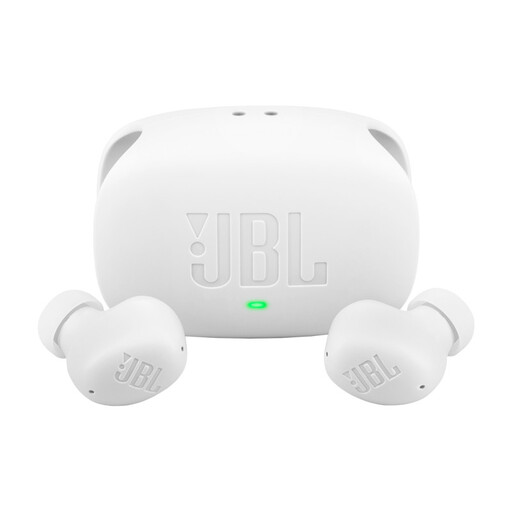 No image available
A wireless option to compare if you want to listen to museum audio on your own device and sometimes let in ambient sound; check the audio tour’s playback method and settings.
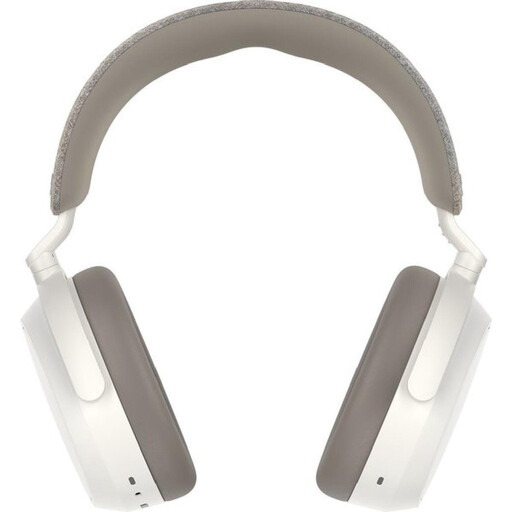 No image available
Worth comparing if you’re looking for wireless over-ear headphones for spoken audio; check that the listening modes suit both practising at home and using them in a museum.
The product name mentions noise cancelling, fast charging and 60-hour battery life.
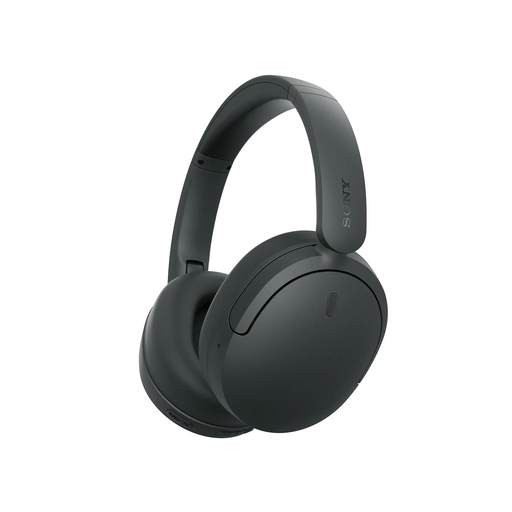 No image available
An over-ear model to compare for wireless evening practice; if you also want to use the headphones in a museum, check which ambient sound feature the exact version offers.
The product name describes wireless headphones.
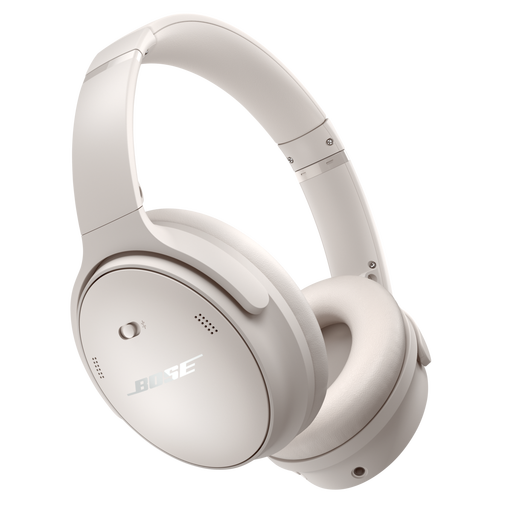 No image available
A model to compare if you’re looking for noise cancelling; check whether the exact version also offers the ambient mode you need for a museum visit.
The product name mentions Bluetooth, wireless listening and noise cancelling.
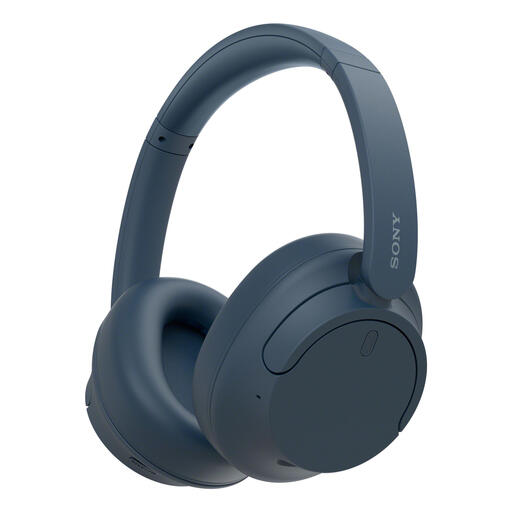 No image available
Worth comparing for evening practice and museum use if you want to be able to switch on an ambient sound mode; this feature doesn’t replace paying attention to your surroundings.
Sony lists around 192 g, an ambient sound mode and up to 35 hours with NC on or 50 hours with NC off for this model. These battery life figures are the manufacturer’s estimates.
No, you can’t take that for granted. Wereldmuseum Amsterdam describes listening on a phone that can scan QR codes and also offers loan devices; the Stedelijk Museum describes an audio tour device that you carry with you around the museum. Before your visit, check which playback device is used and whether it supports your headphones.
Start at a low volume and only turn it up if needed. The World Health Organization advises keeping the volume low and notes that well-fitting headphones can help you avoid turning them up as quickly in noisy situations. This is listening advice, not a Dutch legal volume limit.
Compare figures using the same noise-cancelling setting. Sony lists up to 35 hours with NC on and 50 hours with NC off for the WH-CH720N; soundcore lists 40 and 55 hours respectively for the Space One. These are manufacturer estimates, not measurements taken under a single shared test protocol.
When you buy from a business online, you’ll usually have a 14-day cooling-off period; check the terms that apply to your purchase. If a product is faulty, contact the seller about your statutory rights. The Dutch government states that there is no fixed statutory two-year warranty period for all products in the Netherlands.
Check that the actual product carries the correct CE marking. The Dutch Authority for Digital Infrastructure specifically lists headphones among the equipment that must carry this marking; a mention on a website alone doesn’t prove that the product you receive has the marking.