Who should bear these points in mind?

If you want to hear speech clearly

You often replay short Dutch clips and want to make out every word. So assess your own speech recordings and the controls, not just the music playback. The Dutch Consumers’ Association includes speech clips in its headphone tests.

If you practise in a noisy room

You practise with background noise around you and want to know how much a good fit or active noise cancelling can block out. Compare the headphones with the sounds you actually hear at home.

If you listen for long periods

You wear your headphones for a long time, so pay particular attention to pressure around your ears, fit and whether you can listen wirelessly without having to stop to recharge.

What should you look for in headphones for listening practice?

What to consider What should you check? Who is this important for?
Speech and controls Play one of your own recordings and test pausing and rewinding. Compare any voice-focused settings to see how clear the speech sounds. I want to make out words in short clips and replay them easily; around 36% of consumers prioritise speech clarity.
A quieter room Try the fit in your own surroundings and check whether the model has a transparency mode if you need to remain available to talk. If background noise disrupts my practice, I want more peace and quiet without constantly turning up the volume; around 29% of consumers give a quieter environment top priority.
Connection Check the audio port on your phone, tablet or computer. Confirm USB-C audio compatibility or that you have the right analogue plug, and test Bluetooth if you want to listen wirelessly. I want to use my headphones directly with my learning device; around 21% of consumers prioritise having the right connection for their device.
Comfort Try the headphones during a typical listening session and pay attention to pressure, ear cushions and, if you’re listening wirelessly, battery life. I don’t want headphones that press uncomfortably on my ears during longer practice sessions; around 14% of consumers give long-term comfort top priority.

Common pitfalls when choosing headphones

  • Assuming every USB-C port supports audio

    A plug that fits doesn’t automatically mean your device can play audio through USB-C. For the JBL Tune 520C USB-C, JBL advises checking compatibility with your device.

    Before buying, check that your learning device supports USB-C audio.

  • Expecting noise cancelling to block out voices completely

    The Dutch Consumers’ Association says noise cancelling tends to work well against low, continuous humming. That doesn’t mean it will block out conversations in the room.

    Test the noise reduction against the sounds that actually bother you, and compare it with a well-fitting pair of closed-back headphones too.

  • Turning up the volume to drown out room noise

    According to the World Health Organization, the effects on your hearing depend on volume, listening time and repeated exposure to loud sounds.

    First try improving the fit or your listening environment, keep the volume low and take breaks.

  • Confusing the manufacturer’s guarantee with your full statutory rights

    ACM ConsuWijzer distinguishes between a guarantee from the manufacturer or seller and your legal right to a product that is fit for purpose.

    If there’s a fault, contact the seller and ask for a solution based on your statutory rights.

Brands to consider

JBL

JBL offers, among other models, the wired Tune 520C USB-C and the separate wireless Tune 520BT in the on-ear category.

  • JBL lists a microphone, controls and a voice-focused EQ preset for the Tune 520C USB-C.
  • Check that your device supports audio via USB-C. The voice setting is no substitute for trying the headphones with your own learning materials.

Sony

The WH-CH520 is a wireless on-ear pair with multipoint, which Sony says lets you connect the headphones to two Bluetooth devices at once.

  • Sony claims up to 50 hours of battery life for this model.
  • The on-ear fit may feel tight during long practice sessions; try the headphones if you’ll be listening for a while.

Sennheiser

The HD 569 is a wired, closed-back over-ear pair; the MOMENTUM 4 Wireless is a separate wireless model with active noise cancelling and transparency mode.

  • Sennheiser says the HD 569 has replaceable ear cushions and comes with cables featuring 3.5 mm and 6.3 mm plugs.
  • Check that the cable and connection are suitable for your device. The MOMENTUM 4 Wireless needs to be charged; the manufacturer’s claims about features and battery life aren’t a measure of performance during your practice sessions.

Philips

The SHP2500/10 is a wired over-ear TV headphone with in-line volume control.

  • The in-line volume control can be handy if you listen in one place and have a compatible connection.
  • Check the connection before using headphones designed for a TV with a phone or laptop. The product information doesn’t include measured speech performance for listening practice.

Headphones at Joybuy for different listening needs

This selection includes wired listening via USB-C, wireless on-ear headphones and wireless over-ear models with active noise cancelling.
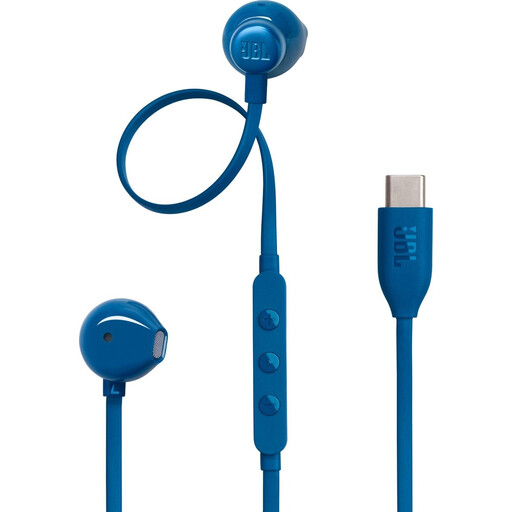
JBL Tune 305C wired USB-C earphones in blue

JBL Tune 305C wired USB-C earphones, blue

A wired option if your learning device supports USB-C audio and you want the controls on the cable.

The product details list a microphone, three-button controls and an adjustable vocal EQ preset. Check that your device is compatible with USB-C audio.

View at Joybuy

Sennheiser MOMENTUM 4 Wireless wireless over-ear headphones

Sennheiser MOMENTUM 4 Wireless

A wireless over-ear option if you want to use active noise cancelling during practice and also value a transparency mode.

Bluetooth, active noise cancelling and a transparency mode are listed features. Sennheiser claims up to 60 hours of battery life; usage time may vary depending on the listening mode.

View at Joybuy

Bose QuietComfort Ultra Bluetooth headphones in black

Bose QuietComfort Ultra, black

A wireless over-ear option if you’re looking for active noise cancelling and also want the option of using an audio cable.

The product details list Bluetooth, active noise cancelling and an audio cable included in the box.

View at Joybuy
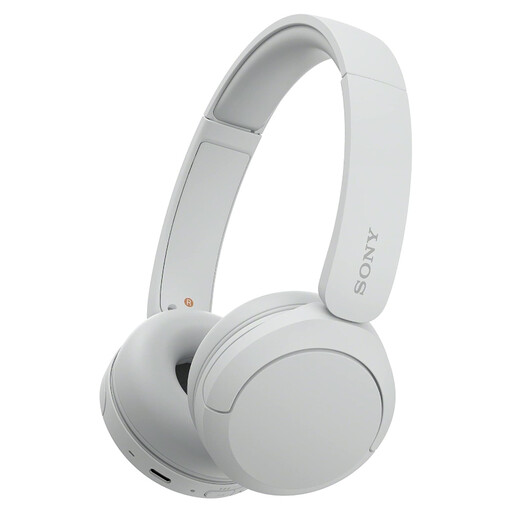
Sony WH-CH520 wireless Bluetooth on-ear headphones in white

Sony WH-CH520, white

A wireless on-ear option if you want to listen from a Bluetooth source and, for example, switch between your phone and laptop.

The product details list button controls and multipoint for two devices. Sony claims up to 50 hours of battery life; fit still matters during long sessions.

View at Joybuy
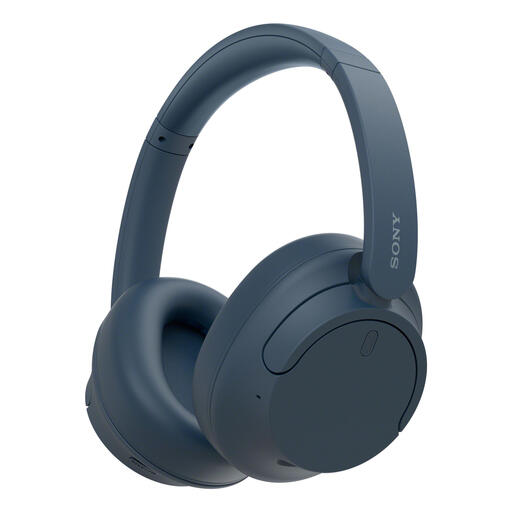
Sony WH-CH720N wireless Bluetooth over-ear headphones

Sony WH-CH720N

A wireless over-ear option if you want to try active noise cancelling and switch between two playback devices.

The product details list adjustable noise cancelling and multipoint for two devices. Compare the battery life with noise cancelling on and off, using the listening mode you prefer.

View at Joybuy

Frequently asked questions about headphones for listening practice

Do I need active noise cancelling to listen to sentences again?

Not necessarily; first try your own recording with a well-fitting pair of headphones. Active noise cancelling may be useful if background noise bothers you, but the Dutch Consumers’ Association describes its effect mainly on low engine hum and says it doesn’t guarantee that people talking at home will disappear.

How do I connect wired headphones to my learning device?

Check the audio port and make sure the device supports sound through that connection. JBL specifically advises checking USB-C compatibility for the Tune 520C USB-C; the Sennheiser HD 569 comes with separate cables featuring 3.5 mm and 6.3 mm plugs.

How can I listen safely when replaying a clip often?

Keep the volume low and take regular breaks. The World Health Organization suggests setting your device volume to no more than 60% as a practical guideline and stresses that volume, listening time and repeated exposure all matter; 60% isn’t a guarantee of safety in every situation.

What are my rights to return an online purchase and claim a guarantee in the Netherlands?

According to ACM ConsuWijzer, with a typical online consumer purchase you generally have a statutory 14-day cooling-off period from delivery, subject to exceptions that must be explained in advance. You also have a statutory right to a product that is fit for purpose; if there’s a fault, contact the seller. A manufacturer’s guarantee doesn’t replace your statutory rights.
