
Regular speech listener
You often replay short Dutch clips and want to follow voices comfortably. The Consumentenbond considers voice reproduction important in headphones for study and work.


First, choose headphones that work with your playback device and let you listen back to speech comfortably. Wired headphones are practical if your device has a suitable connection; wireless headphones give you more freedom to move, while noise cancellation can be useful in the presence of background noise, but it does not guarantee clearer speech. Your phone or computer plays the recording, so also check that your own file and connection work.
You often replay short Dutch clips and want to follow voices comfortably. The Consumentenbond considers voice reproduction important in headphones for study and work.
You practise where background noise is distracting and want to listen in peace without constantly turning up the volume. The WHO points to well-fitting headphones and noise cancellation as ways to reduce the need to listen at higher volumes.
You practise at a computer or on a phone and want to be able to access your own recording and make sure your headphones connect properly.
Voice reproduction is a useful point of comparison for listening practice. The Consumentenbond considers it important for study and work, and also assesses comfort and features.
| What to consider | What to check when buying | Who this matters most to |
|---|---|---|
| Speech clarity | Compare voice reproduction using a recording you know, and check that the playback controls are easy to use. | When I repeat exercises often, I want to follow Dutch voices comfortably, not just enjoy good music playback. Around 28% of consumers prioritise speech clarity. |
| Peace and quiet in noisy places | Consider the fit and, if you need it, noise cancellation or an ambient sound mode. | When I practise somewhere with distracting background noise, I want to listen comfortably without turning up the volume. Around 22% of consumers prioritise listening in noisy environments. |
| Comfort | Compare over-ear and in-ear fits. For over-ear models, check the headband and ear cushions too. | For long or frequent sessions, I want a fit that stays comfortable. Comfort comes first for around 22% of consumers. |
| Connections and files | Compare the plug with your device’s audio output, or check Bluetooth support and whether your app plays files offline. | I want to be sure that my own recording plays on my phone or computer and that the headphones connect to it. Device compatibility is the main concern for around 17% of consumers. |
| Cost and maintenance | Consider which features you’ll actually use. If parts are replaceable, check their availability and the terms for the exact version. | If you want to avoid unnecessary features and future maintenance, focus on what you really need. Around 11% of consumers prioritise purchase and maintenance costs. |
With ordinary wired and Bluetooth headphones, your phone or computer plays the recording and sends the audio to the headphones.
Before buying, open one of your own recordings on the device you plan to use and test the cable or Bluetooth connection you intend to use.
Reducing background noise can help you avoid listening at higher volumes, but it doesn’t tell you how a particular Dutch recording will sound on a specific model.
Assess voice reproduction and fit separately. Stay aware of the sounds around you when travelling; noise cancellation is no reason to stop paying attention to them.
A commercial warranty period does not replace your statutory rights against the seller. ACM ConsuWijzer explains that the statutory guarantee exists alongside a manufacturer’s or seller’s warranty.
Read the terms of any additional cover, and bear in mind that there is no single fixed number of years for the statutory guarantee on every pair of headphones.
The TAH2005BK/00 is a wired over-ear pair of headphones; according to Philips, the TAH6000BK/00 can be used both wired and wirelessly.
The WH-CH720N is a wireless over-ear pair of headphones with noise cancellation and the option to listen via a cable.
The Tune 770NC is a wireless over-ear pair of headphones; the Tune 210 is a separate wired in-ear model.
The updated Fairbuds XL is worth considering if replaceable parts are important to you.
This selection includes wireless headphones and wired earbuds for listening back to recordings. Before buying, check that the connection is compatible with the device you’ll use to play your files.
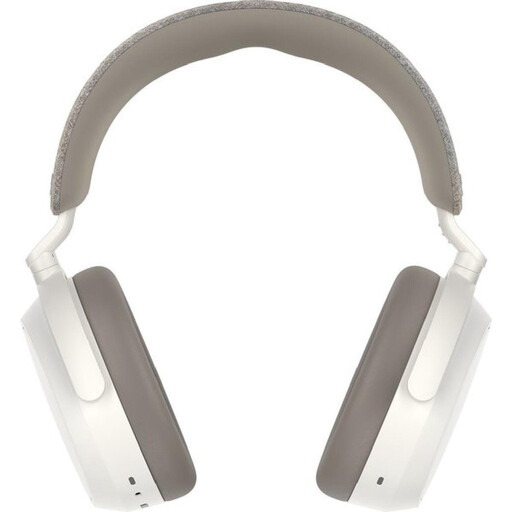 No image available
Wireless over-ear headphones for listening via Bluetooth or a cable.
Noise cancellation; battery life of up to 60 hours according to the product name; includes a 3.5mm audio cable and supports passive use according to the product description.
For wired listening, your playback device needs a suitable 3.5mm connection.
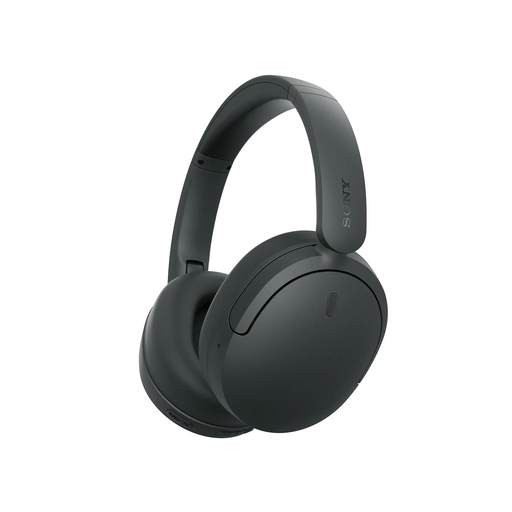 No image available
Wireless headphones with the option of using a cable to listen from a compatible device.
The product description mentions Bluetooth, noise cancellation, an ambient sound mode and a detachable cable for passive listening.
For wired use, you’ll need a suitable stereo mini-jack input.
 No image available
Wired earbuds for anyone who wants to use a cable connection when listening back to recordings.
The product description mentions a USB-C connection, music playback controls and several sizes of ear tips and stability bands.
Check whether your playback device supports USB-C audio.
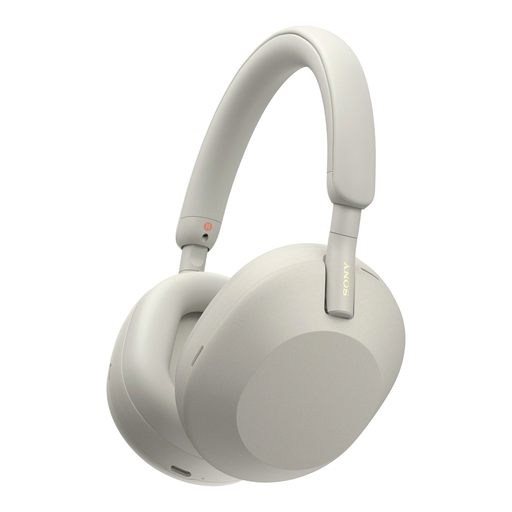 No image available
Wireless headphones with the option of using a cable to practise on a compatible device.
The product description mentions Bluetooth, noise cancellation, pairing with two devices and an audio cable for wired listening.
For wired use, your playback device needs a suitable connection.
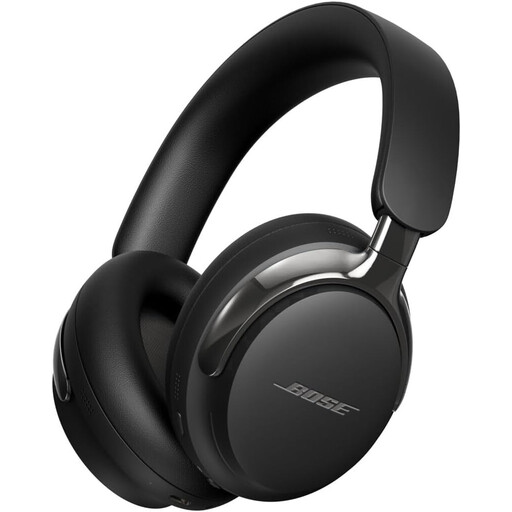 No image available
Bluetooth headphones with a detachable cable as an alternative to wireless listening.
The product description mentions active noise cancellation and a cable with USB-C and 3.5mm connections.
A charger is not included; also check that the cable is compatible with your playback device.
No. With the standard wired and Bluetooth models described here, your phone or computer plays the recording. Check that your own file opens in the app you use and that your device can send audio to the headphones.
The WHO recommends setting the volume to no more than 60% of the device’s maximum. This is a general guideline, not an exact measurement of the sound level at your ears. Well-fitting headphones and noise cancellation can help you avoid turning up the volume in noisy places.
Play one of your own recordings using the cable or Bluetooth connection you plan to use, and check the fit. If replaceable parts are important to you, check which parts are available for the exact version. Fairphone, for example, describes how to replace the battery and ear cushions on the updated Fairbuds XL.
No. According to ACM ConsuWijzer, the statutory guarantee exists alongside a manufacturer’s or seller’s warranty. If a product breaks sooner than you could reasonably expect under normal use, the seller is responsible for offering an appropriate solution. There is no single fixed statutory guarantee period for every pair of headphones.
Bluetooth radio equipment covered by the European Radio Equipment Directive must meet the applicable requirements when placed on the market, including the required CE marking. The CE marking is a declaration by the manufacturer, not an independent assessment of speech reproduction. Check the conformity information for the exact version.