Start by choosing headphones that make spoken Dutch easy to follow and feel comfortable during your lesson. Then consider your device and surroundings: wired listening may be all you need at home, while wireless convenience or noise cancellation can help when there’s background noise. Try them with your own lesson recording. Specifications alone can’t prove that conversations will be easier to understand.
Who should consider these options?
Practising conversations at home
You listen to phrases repeatedly and want to assess the voices using your own lesson recording, without automatically opting for extra features. The Dutch Consumers’ Association includes speech clips in its headphone tests.
Listening in a noisy environment
Traffic, travel or household noise can interrupt your concentration. How well the headphones block out noise, and whether you want to hear what’s happening around you, are both worth considering.
Listening at your laptop for long periods
You practise at a computer for longer sessions, so you’ll want to consider comfort, a suitable connection and whether you can follow your lesson without having to stop to recharge.
What should you look for?
Closed-back, wired over-ear headphones
Choose these if: you mainly practise at home, have a suitable audio output and don’t want to manage a battery or Bluetooth connection.
Keep in mind: the cable limits your freedom of movement. Check the plug, whether you’ll need an adapter and the cable length.
Wireless headphones with an audio cable as a backup
Choose these if: freedom of movement or switching between devices matters to you, but active noise cancellation isn’t essential. JBL says the Tune 720BT supports multipoint and comes with an audio cable.
Keep in mind: JBL’s stated maximum battery life may not reflect your usage. Also check that the cable is compatible with your device.
Closed-back, wireless headphones with noise cancellation
Choose these if: recurring background noise disrupts your lessons. Sony lists noise cancellation, an ambient sound mode and a wired input for the WH-CH720N. The WHO recommends well-fitting noise-cancelling headphones to help you avoid turning up the volume as much in noisy environments.
Keep in mind: noise cancellation won’t make every type of sound inaudible. Sony specifies a maximum of 35 hours of music playback with noise cancellation on and 50 hours with it off for this model.
Open-back, wired over-ear headphones
Choose these if: you practise in a quiet room and want an open-back design. The Sennheiser HD 560S is an open-back, wired model.
Keep in mind: open-back headphones aren’t designed to block out background noise. Check that the connection is compatible with your device.
When choosing headphones for language lessons, the main things to consider are speech clarity, reducing background noise, comfort and compatibility with your playback device.
| What to consider |
What to check before buying |
Who is this important to? |
| Speech clarity |
Listen to quiet and fast speech using your own recording. Also compare the controls for pausing and replaying. |
If I want to follow Dutch phrases clearly, I assess the voices using my own lesson recording rather than comparing music specifications alone. Around 36% of consumers put speech clarity first. |
| Background noise |
Compare the fit and how well the headphones block out noise where you’ll be having your lesson. Check whether you can switch between noise cancellation and ambient sound. |
When noise around me disrupts my concentration, I pay attention to how well the headphones block it out and whether I can still hear what’s happening around me. Around 29% of consumers prioritise a quiet listening environment. |
| Comfort |
Check for pressure around or on your ears, and if possible, try the fit while wearing glasses too. |
For longer or repeated lessons, I want my headphones to stay comfortable. Around 21% of consumers say comfort is their top priority. |
| Connection and playback |
Check your device’s outputs, the cable supplied and whether you’ll need an adapter. Compare battery life using the settings you’ll use. |
If I want to play my lesson recording without interruptions to the connection or playback to recharge, I check that it connects to my phone or computer. Around 14% of consumers prioritise connectivity and uninterrupted playback. |
Common buying mistakes
-
Comparing battery life without checking the settings
The stated maximum battery life can vary depending on whether noise cancellation is on or off. Sony lists separate maximum figures for each setting on the WH-CH720N.
Compare battery life using the feature settings you normally use during lessons.
-
Assuming every wired pair of headphones connects straight to your phone
Wired headphones need a connection that’s compatible with your device. The Audio-Technica ATH-M40x has a 3.5 mm plug.
Before buying, check the connections and what’s included. If necessary, make sure your device has a suitable output or that you have an adapter.
-
Choosing open-back headphones for a noisy lesson space
An open-back model such as the Sennheiser HD 560S has a different design from the closed-back models you might consider for noise isolation.
If background noise is distracting, consider the fit and how well the headphones block it out. Keep open-back headphones as an option for a quiet place to study.
-
Confusing an additional warranty package with your statutory consumer rights
An optional warranty is in addition to your statutory protection; it doesn’t replace it.
Check separately what your statutory rights, the manufacturer’s warranty and any additional cover include.
Brands to consider
Sony
The WH-CH720N is a wireless model with noise cancellation, an ambient sound mode and a wired input.
- Sony specifies up to 35 hours of music playback with noise cancellation on and up to 50 hours with this feature off.
- These are the manufacturer’s figures, not measured lesson times or proof that conversations are easier to understand.
JBL
According to JBL, the Tune 720BT is a wireless over-ear pair of headphones with multipoint and a supplied audio cable.
- JBL states up to 76 hours of wireless playback and offers sound settings through the app.
- The Dutch Consumers’ Association says this model doesn’t have active noise cancellation. JBL’s Pure Bass description is a brand claim; judge for yourself how lesson voices sound.
Audio-Technica
The wired, closed-back ATH-M40x is an option for home use, with a suitable 3.5 mm connection.
- Audio-Technica lists two detachable cables: a 1.2–3.0 m coiled cable and a 3.0 m straight cable.
- The cable limits your freedom of movement. Audio-Technica’s description of a flat response isn’t an independent assessment of how clearly you’ll hear your lesson recording.
Sennheiser
The open-back, wired HD 560S is an alternative for practising in a quiet room.
- Sennheiser lists open ear cups and a 120 Ω transducer.
- Check the connection and the volume you can get from your own device. Sennheiser’s description of accurate sound reproduction doesn’t prove that it’s better for Dutch lesson recordings.
Joybuy products
This Joybuy selection includes wireless over-ear models with noise cancellation or ambient sound features. Check which connections are compatible with your playback device for each model.
 No image available
Sennheiser MOMENTUM 4 Wireless, Black
An option if you want to listen wirelessly but also have the option of a wired connection.
Bluetooth, noise cancellation, transparency mode and a 3.5 mm audio cable. The description mentions a padded headband and deep ear cushions.
View at Joybuy
 No image available
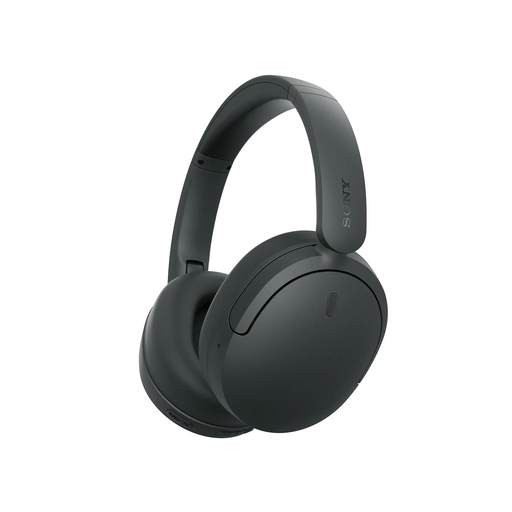
WH-CH730 Wireless Headphones, Black
An option if you want to switch between noise cancellation and ambient sound while listening.
Closed-back over-ear design, Bluetooth and a supplied cable for wired listening, even when the battery is flat. The product description gives a weight of around 207 g.
View at Joybuy
 No image available
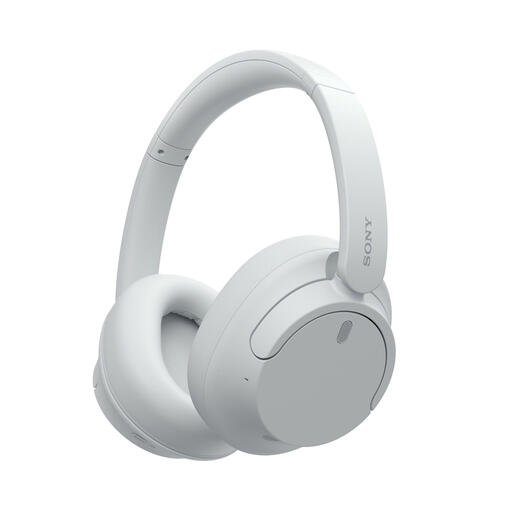
Sony WH-CH720N, white
An option if you want to reduce background noise and switch between your phone and laptop.
Bluetooth, active noise cancellation, an ambient sound mode and a multipoint connection to two devices. The product description gives a weight of 192 g.
View at Joybuy
 No image available
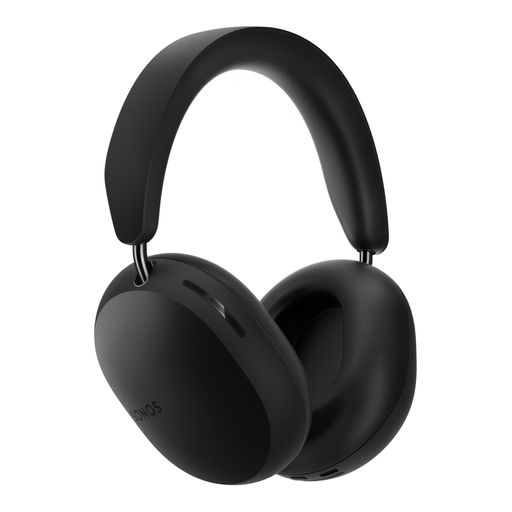
Sonos Ace, black
An option if you want to listen wirelessly but also have the option of a wired audio connection.
Bluetooth, active noise cancellation, an Aware mode and wired audio via USB-C or 3.5 mm. The product description mentions memory foam ear cushions and an adjustable headband.
View at Joybuy
 No image available
Bose QuietComfort Ultra Headphones (2nd Gen), black
An option if you want to listen wirelessly or with a cable and are looking for active noise cancellation.
Bluetooth, active noise cancellation and a detachable cable with USB-C and 3.5 mm connectors. The model folds up and is supplied without a charger; PD fast charging isn’t supported.
View at Joybuy
Frequently asked questions
Do the headphones need to open local audio files themselves?
No. Play the file on your phone or computer and send the audio to your headphones using a compatible cable or Bluetooth. Check which connections your playback device supports.
Do you need a microphone for pre-recorded conversation lessons?
No, not if you’re only listening to local recordings. If you also want to speak live or make video calls, check the microphone and compatibility with your calling device separately.
How can you listen safely when replaying lessons many times?
Keep the volume low and take regular breaks. The WHO gives a maximum of 40 hours per week at an average of 80 dB as an example, and recommends well-fitting headphones to help you avoid turning up the volume as much in noisy environments. That dB figure doesn’t guarantee a safe volume setting on your device.
What are your rights when buying online in the Netherlands?
When you buy from a business online, you generally have 14 days to change your mind, subject to statutory exceptions. If a product is faulty, you also have the right to an appropriate solution; an offered manufacturer’s warranty doesn’t replace these statutory rights. Check the seller and terms before buying.
What should you look for in Bluetooth headphones sold in the EU?
Bluetooth equipment is covered by the European Radio Equipment Directive, which sets essential requirements including safety and electromagnetic compatibility. The Dutch government states that electronic products offered for sale in the EU must carry the applicable CE marking. A product listing alone doesn’t prove that a specific item meets the requirements.


