
Working out chords by ear
You want to replay musical passages and assess the sound using your own music, without expecting headphones to recognise chords automatically.


Start with headphones that let you follow your own music clearly at a comfortable volume: no model can identify an unclear or ambiguous chord for you with certainty. On a noisy coach, well-fitting headphones with active noise cancellation can help, but wired listening, comfort over long periods and quick access to ambient sound may matter more on your journey.
You want to replay musical passages and assess the sound using your own music, without expecting headphones to recognise chords automatically.
You want to cut down on distracting background noise so you don’t have to keep turning up the volume.
You prioritise a comfortable fit for extended wear and want to know how you can still hear announcements.
| What to consider | What should you check? | Who is this important for? |
|---|---|---|
| Following musical passages | If possible, listen to your own track and check that play, pause and rewind are easy to use. | If you replay passages to work out chords, you’ll want to follow the music clearly. Around 31% of consumers prioritise working out chords by ear. |
| Reducing bus noise | Assess the fit and noise cancellation; don’t expect complete silence. | If bus noise distracts you, well-fitting noise-cancelling headphones can help without you automatically needing to turn up the volume. Around 25% of consumers prioritise reducing bus noise. |
| Comfort | Look out for pressure from the headband and ear cushions; if possible, try wearing the headphones for a longer period. | If you’ll be listening throughout a long journey, you’ll want headphones that feel comfortable, including with glasses if you wear them. Around 19% of consumers consider comfort their top priority. |
| Hearing announcements | Check whether you can quickly switch on ambient sound or pause playback; don’t assume every mode will make all announcements clear. | If you want to keep up with announcements during your journey, it’s important to be able to switch quickly to hearing your surroundings. Around 13% of consumers prioritise this feature. |
| Connection and battery | Check your device’s connection, whether you need a cable or adapter and, if listening wirelessly, the battery life with noise cancellation on. | If you don’t want a flat battery or incompatible connection to interrupt your listening, check these before you set off. Around 12% of consumers prioritise connectivity or battery life. |
Noise cancellation targets background noise; assessing musical passages is a separate task. You may still hear some ambient sounds, even with noise cancellation on.
Assess your own track and the sound quality separately from the noise-reducing effect.
Manufacturers may quote battery life under different conditions. Sony states that the WH-1000XM6 lasts up to 30 hours with noise cancellation on and up to 40 hours with it off. Don’t compare these figures without taking the settings into account.
Check the stated conditions of use and charge wireless headphones before you set off.
Wired headphones need a compatible socket, and you may need an adapter. The 32ohm and 250ohm versions of the beyerdynamic DT 770 PRO differ in their suitability for different audio sources.
Check the exact version, your device’s output and the connection you need before ordering.
According to the Dutch government, there is no fixed time limit for the statutory guarantee in the Netherlands. An additional warranty package does not replace your statutory right to a product that meets what you could reasonably expect.
Check what extra rights an offered warranty package gives you.
According to Sony, the WH-1000XM6 combines noise cancellation with an ambient sound mode. This could be useful if you want to listen on the bus while still being able to hear your surroundings.
According to Sennheiser, the MOMENTUM 4 Wireless features adaptive noise cancellation, a transparency mode and adjustable sound.
According to JBL, the JBL Tour One M3 combines noise cancellation with playback using the supplied USB-C or 3.5mm cable.
The closed-back 32-ohm DT 770 PRO is a wired option if you don’t need wireless headphones and have a compatible output.
These Joybuy products are wireless headphones for listening on the go, including models with stated noise-cancellation or ambient-sound features.
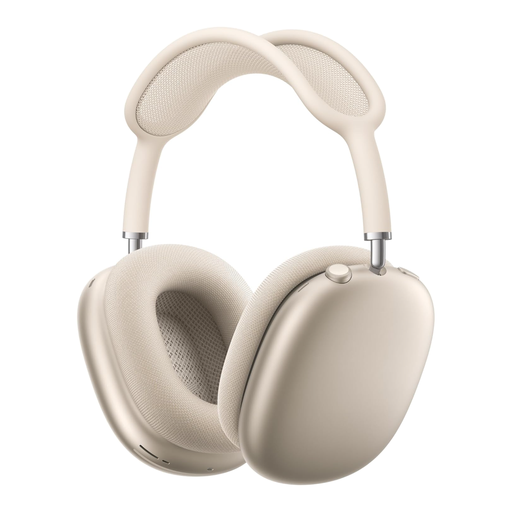 No image available
An option to consider if you’re looking for active noise cancellation and the ability to let in ambient sound.
The product description mentions Adaptive Audio, Transparency and Conversation Awareness, as well as high-fidelity audio and active noise cancellation.
 No image available
An option if you want noise cancellation and playback controls while listening on the go.
The product description mentions adaptive noise cancellation, EQ settings, sound modes and touch controls. Sennheiser states that the MOMENTUM 4 Wireless lasts up to 60 hours per charge.
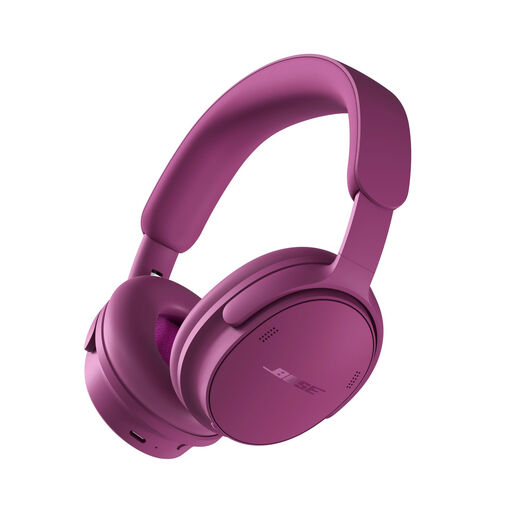 No image available
An option to look at if you’re weighing up active noise cancellation and an ambient-sound mode.
The product description mentions Quiet Mode, Aware Mode, Transparency, on-earcup controls and high-fidelity lossless audio via USB.
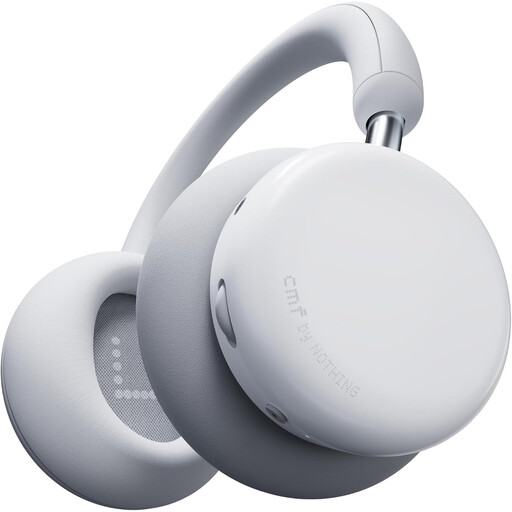 No image available
An option if you want to listen wirelessly and adjust the sound settings to suit you.
The product description mentions hybrid active noise cancellation, 40mm drivers, bass and treble controls, and settings through the Nothing X app. The stated weight is 283 g.
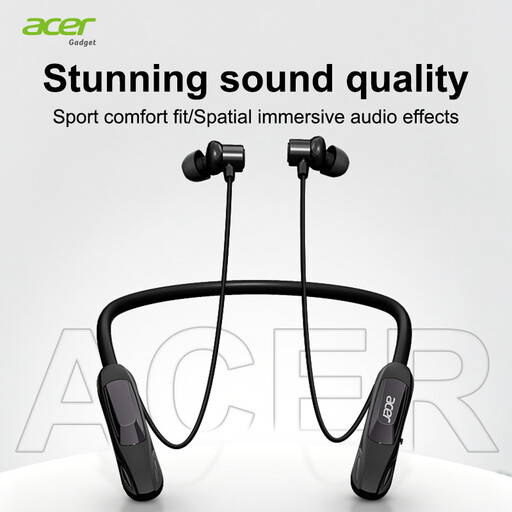 No image available
An option if you want to listen wirelessly on the go with a neckband design.
The product title mentions Bluetooth 5.4. The description mentions a Type-C charging port and a music mode.
No, headphones don’t recognise chords automatically or flawlessly. Focus on whether you can follow the recording clearly; harmonic interpretation can also be ambiguous depending on the musical context.
Well-fitting noise-cancelling headphones can reduce the need to turn up the volume, but they won’t block out every background sound. The World Health Organization also advises keeping the volume down and taking regular listening breaks.
Before buying, check that the headphones are compatible with your phone or music player’s connection and find out which cable or adapter you need. If you choose a wireless model, remember to charge it, and test the controls and fit with your own device.
No. According to the Dutch government, there is no fixed time limit for the statutory guarantee in the Netherlands: the product must meet what you could reasonably expect from it. If something goes wrong, contact the seller; an additional warranty doesn’t replace this right.
For eligible distance purchases from a business, the Dutch government says you generally have a 14-day cooling-off period. Check the terms and any exceptions that apply to your purchase.