
Commuter looking for some peace
You regularly listen on noisy trains and want to follow quieter choral passages without constantly turning up the volume.


If you mainly listen on a noisy train, compare well-fitting, noise-isolating headphones or in-ear earbuds with ANC, and see how choral voices and quieter passages sound to you. If you want to hear train announcements more easily, a readily accessible ambient sound mode or open-ear model may suit you better, though it will let in more train noise. Fit and sound vary between models, so a brand claim alone won’t tell you how you’ll experience choral music.
You regularly listen on noisy trains and want to follow quieter choral passages without constantly turning up the volume.
You care about how voices sound and want to compare them for yourself, alongside noise cancelling and wearing comfort.
You want to hear announcements and what’s happening around you while travelling, and weigh this against noise isolation.
Choose these if: you mainly want to reduce train noise on longer journeys and have room in your bag.
The trade-off: the headphones take up more space, and ANC, sound and comfort vary between models. Use an ambient sound mode or take them off if you want to hear an announcement.
Choose these if: you want to travel light and find well-fitting ear tips comfortable.
The trade-off: how well they block out noise depends on the fit; a stated battery life isn’t a test of how they’ll perform over a long journey.
Choose these if: staying aware of your surroundings matters more to you than blocking out noise.
The trade-off: open-ear headphones leave your ear canal uncovered and don’t block out noise in the same way as an ANC model. Make sure your music can’t be heard by fellow passengers.
| What to consider | What should you check? | Who is this most important for? |
|---|---|---|
| Reducing train noise | Compare ANC and fit at your usual listening volume; check whether you can quickly switch to an ambient sound mode. | If I want to follow quiet choral passages on a busy train without constantly turning up the volume, I’ll focus on noise reduction and fit. Around 25% of consumers prioritise reducing train noise. |
| Hearing choral voices | If possible, compare the same choral recording at a comfortable, consistent volume; listen to the voices and quieter passages. | I want to hear whether voices sound natural and quieter passages remain audible, regardless of driver size or brand claims. Around 25% of consumers prioritise choral music reproduction. |
| Staying aware of your surroundings | Try how quickly you can access the ambient sound mode and compare it with open-ear headphones. | If I want to hear train announcements during my journey, I’ll weigh ease of access against having less separation from the music. Around 20% of consumers prioritise staying aware of their surroundings. |
| Comfort and battery life | Try the pressure and fit; only compare battery life when using the same ANC setting. | On regular or longer journeys, I want my headphones to stay comfortable and suit how long I listen for. Around 15% of consumers focus mainly on comfort and battery life. |
| Choosing the right option | Compare sound, noise reduction and fit; check what a paid warranty package adds to your statutory rights. | I don’t want to pay for extra features or a package unless they suit my listening needs. Around 15% of consumers prioritise choosing the right option without unnecessary extras. |
Noise reduction and staying aware of your surroundings serve different purposes. A noise-isolating ANC model can make it harder to hear sounds around you.
Compare the fit and ANC, and try how quickly you can switch to ambient sound.
Claimed maximum battery life can vary depending on the setting. Sony states that the WH-1000XM6 offers up to 30 hours with NC on and 40 hours with NC off.
Compare stated playback time using the same setting, and don’t assume the maximum is guaranteed in everyday use.
If battery life is shorter than you expect, you may need to charge more often.
A set of features or a manufacturer’s description won’t automatically tell you whether you’ll enjoy the sound of choral voices or find the headphones comfortable to wear.
If possible, compare a familiar choral recording and try the fit for yourself. Treat manufacturers’ descriptions as claims, not independent listening test results.
An additional package and your statutory rights are not the same thing. According to the Government of the Netherlands, there is no fixed statutory warranty period in the Netherlands.
Check what additional rights a paid package offers, and keep your proof of purchase in case you need to contact the seller.
The WH-1000XM6 is an over-ear model with ANC and an ambient sound mode; the WF-1000XM5 is a more compact, noise-isolating in-ear option.
The MOMENTUM 4 Wireless is an over-ear option with adjustable sound, ANC and a transparency mode.
According to JBL, the Tour One M3 combines over-ear ANC with Bluetooth, USB-C and 3.5mm listening options.
The QuietComfort Ultra Headphones (2nd Gen) are an over-ear option with ANC, adjustable ambient sound and USB-C audio.
The OpenDots ONE represents the open-ear option for anyone who prioritises being able to hear sounds around them.
This Joybuy selection includes noise-isolating over-ear and in-ear models, as well as open-ear earbuds for travel. Product information varies by model, so compare the features, fit and connection options with your own listening needs.
 No image available
The over-ear design may suit you if you want to weigh up ANC and a transparency mode on train journeys.
The product information lists adaptive ANC, a transparency mode, EQ settings and a supplied 3.5mm cable. Sennheiser states up to 60 hours of playback.
 No image available
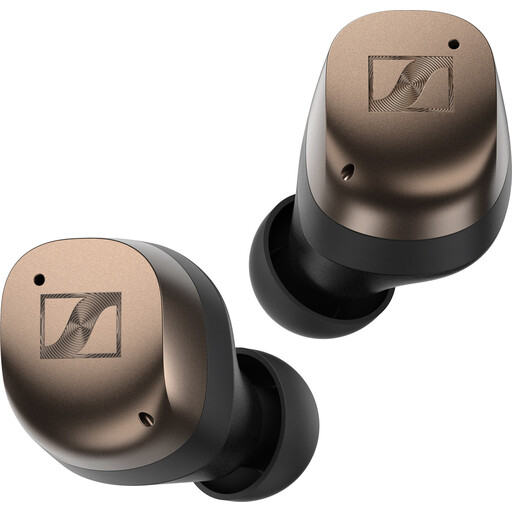
These in-ear earbuds may suit you if you want to travel light and compare ANC with a transparency mode.
The product information lists adaptive ANC, a transparency mode, touch controls and a multipoint connection. Fit also depends on the supplied silicone ear tips.
 No image available
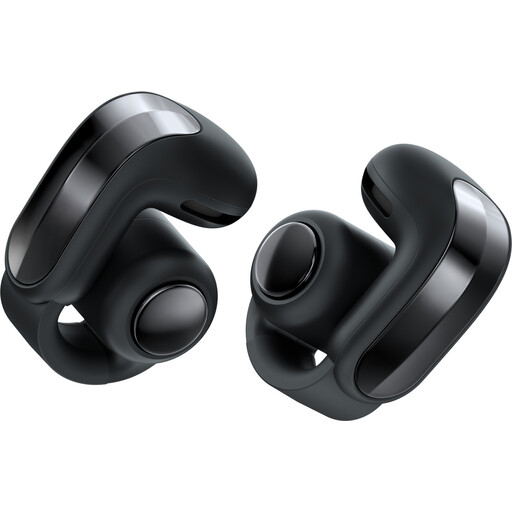
The open-ear design is an option if you want to stay aware of sounds around you, though it offers less isolation from train noise.
The product information lists Bluetooth, app controls and up to 9 hours of listening time. Open-ear headphones don’t block out noise in the same way as an ANC model.
 No image available
You could include this wired over-ear model in your comparison if you’re looking for a headset with a 3.5mm connection.
The product information lists a detachable microphone, volume controls, a mute button and memory foam ear cushions. The headset name and features alone won’t tell you how choral music will sound to you.
 No image available
These closed-back over-ear headphones may suit you if you’re comparing a model with active noise cancelling and the option of wired listening.
The product information lists Bluetooth 5.3, multipoint, an audio cable and leather ear cushions.
If possible, use the same familiar recording at the same comfortable volume. Compare the voices and quieter passages, and assess ANC and wearing comfort separately; the Consumers’ Association also tests these features separately.
Choose a model with an ambient sound mode you can access quickly, or take your headphones off temporarily. If hearing sounds around you is a priority, open-ear is an alternative that offers less isolation.
Keep the volume low, limit prolonged listening and take breaks. The World Health Organization gives a maximum of 40 hours per week at an average of 80 dB as an example; this isn’t a measurement of the volume of any model mentioned here.
Check that the ear cushions or ear tips fit well and that the battery is sufficiently charged. If you have wireless connection problems, follow the instructions for your specific model.
A paid warranty package is not the same as a statutory warranty. According to the Government of the Netherlands, there is no fixed statutory warranty period in the Netherlands. Check what additional rights the package offers, and contact the seller if something goes wrong.
According to NS’s house rules, the quiet zone must be completely silent, and you must not disturb fellow passengers anywhere on the train with loud music. This is an NS rule; the source does not set a general legal volume limit for all Dutch train operators.