
Choir music listener on a noisy coach
You want to hear quiet choir passages without turning up the volume to drown out the engine noise. Noise cancelling can help reduce the need to increase the volume, according to the World Health Organization.


With constant engine hum, well-fitting, noise-isolating headphones or a pair of noise-cancelling in-ear earphones can help you listen to choir music at a moderate volume. Judge the sound using a recording you know well. Prioritise comfort and an easily accessible pause or transparency mode if you listen for long periods or want to hear announcements, and compare battery life at the listening setting you actually use.
You want to hear quiet choir passages without turning up the volume to drown out the engine noise. Noise cancelling can help reduce the need to increase the volume, according to the World Health Organization.
You want a fit that stays comfortable as the journey goes on, perhaps while wearing glasses, as well as enough battery life at the setting you use. Comfort is one factor to consider when comparing headphones, the Consumentenbond points out.
You want to be able to pause your music easily or let in surrounding sounds when the driver or a fellow passenger speaks. Check that the controls for this are easy to reach on the model you choose.
Start with what matters most for your journey: how choir voices sound, less engine hum, comfort, awareness of your surroundings or battery life.
| What to consider | What to look for | Who will value this most? |
|---|---|---|
| How choir voices sound | Compare a familiar recording on the same device at a moderate volume; only try EQ if the model has this feature. | I want to judge for myself whether voices and harmonies sound natural. Around 27% of consumers prioritise choir sound above all else. |
| Engine noise | Compare noise cancelling with passive isolation and check the fit; also try how to switch on ambient sound. | If the low rumble of the coach drowns out quiet passages, I want to reduce it without turning up the volume. Around 27% of consumers prioritise less engine noise. |
| Comfort during the journey | Check the pressure from the headband, ear cushions or earphones; consider whether you wear glasses and how much room you have in your bag. | I want to stay comfortable while listening later in the journey too, perhaps while wearing glasses. Around 20% of consumers consider comfort the most important factor. |
| Hearing announcements | Try the pause control or ambient mode; open-ear designs also let in more coach noise. | If I want to be able to hear the driver or fellow passengers, staying aware of my surroundings matters more than maximum isolation. Around 13% of consumers put awareness of their surroundings first. |
| Playback time and cost | Compare battery life with noise cancelling switched on if that is how you listen; check that any wired connection is compatible with your audio source. | I want to know how long the headphones last in my listening mode and which extra features I really need. Around 13% of consumers focus mainly on playback time and their purchase choice. |
A constant low engine hum is different from voices that come and go, and announcements may be harder to hear.
Try both the noise isolation and the ambient sound controls. Don’t choose based on the term noise cancelling alone.
Claimed playback time can vary depending on the setting. Sony quotes up to 30 hours with noise cancelling on and 40 hours with it off for the WH-1000XM6; soundcore quotes 40 and 55 hours respectively for the Space One.
Compare figures for the same setting and charge your headphones before you set off.
An additional plan is not the source of your statutory right to a product that works as it should. The Dutch government explains that there is no fixed statutory guarantee period in the Netherlands.
Before buying, read which additional damage and conditions an extra plan actually covers.
The WH-1000XM6 is an over-ear model with noise cancelling, ambient mode, multipoint and a wired input.
The MOMENTUM 4 Wireless has adaptive noise cancelling, a transparency mode and adjustable EQ.
The QuietComfort Ultra Headphones (2nd Gen) offer noise cancelling and wired connection options.
The Tour One M3 has adaptive noise cancelling and USB-C and 3.5mm listening options.
The Space One is an over-ear model with noise cancelling and adjustable transparency.
This selection features over-ear headphones with noise cancelling for anyone who wants to listen to choir music on a coach journey.
 No image available
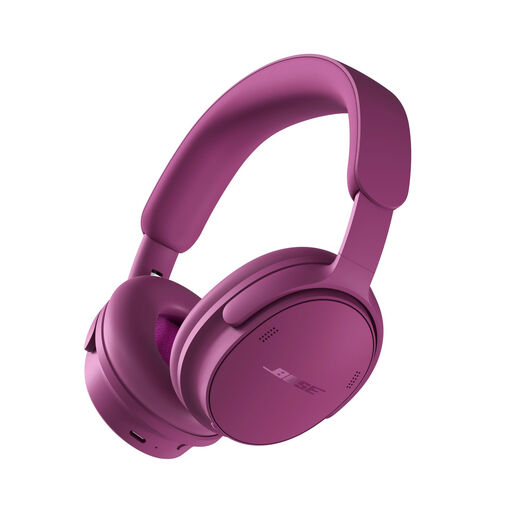
An option if you want to combine adaptive noise cancelling with adjustable sound and a transparency mode.
Up to 60 hours of playback time; adaptive noise cancelling, transparency mode and adjustable EQ.
 No image available
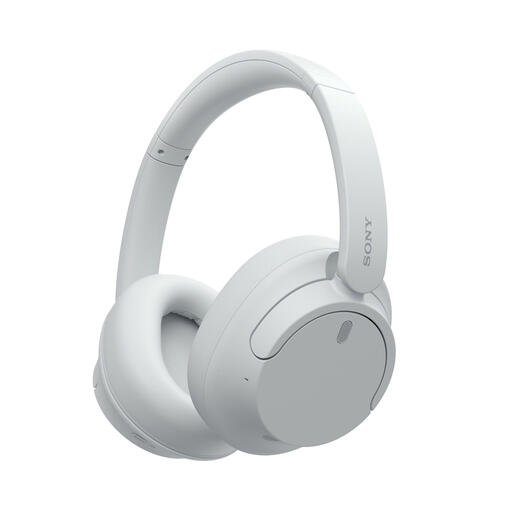
An option if you want to switch between noise cancelling and a mode that lets in surrounding sounds.
Quiet Mode for noise cancelling and Aware Mode for transparency; the product information quotes up to 24 hours of battery life and wired listening via USB.
 No image available
An option if you want to compare over-ear noise cancelling with an ambient sound mode.
Up to 35 hours of battery life with noise cancelling on; noise cancelling has 20 adjustment levels.
 No image available
An option if you want noise cancelling and the choice to listen using a wired connection too.
The product information quotes up to 24 hours of battery life and includes an audio cable for listening without battery power.
 No image available
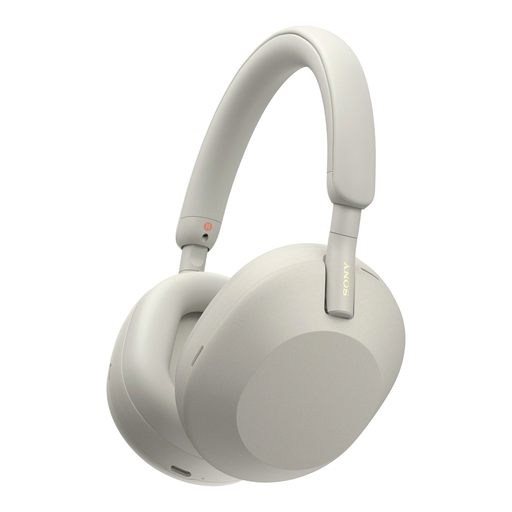
An option if you want to switch between devices or have your music pause when you start a conversation.
The product information lists noise cancelling, multipoint, LDAC and Speak-To-Chat.
Noise cancelling doesn’t remove every voice, but you can’t assume that every announcement will remain audible either. If needed, choose an easy-to-reach pause or ambient mode and try it before you set off; the Consumentenbond notes that performance varies depending on the circumstances.
Pair them with your audio source in advance, try the pause control and listening mode, and check the battery. The World Health Organization lists noise-cancelling headphones as one way to reduce the need to turn up the volume in noisy situations.
No, the Netherlands has no fixed statutory guarantee period. According to the Dutch government, you are entitled to a product that works as it should, depending on what you could reasonably expect; if a product is faulty, the seller must provide a solution. A paid-for guarantee plan is additional to that right.
When you buy from a business at a distance, you will often have a 14-day cooling-off period, but there are exceptions. The Dutch government sets out these exceptions; also check the information and returns terms that apply to your order.