
Listeners looking for peace and quiet
You mainly sit and listen to spoken lessons, and want to be less distracted by campsite noise without constantly turning up the volume.


If you want to sit and listen to spoken lessons while campsite noise distracts you, start with a well-fitting, noise-isolating model with noise cancelling. This may help you resist the urge to turn up the volume. If you want to remain approachable, an open-ear model or ambient sound mode may be a better fit, but it will block out less noise. Also compare the fit, battery life with the settings you use, and moisture protection for the exact model.
You mainly sit and listen to spoken lessons, and want to be less distracted by campsite noise without constantly turning up the volume.
You want to hear your course, but also be able to respond to people or sounds around you. An open design or ambient sound mode calls for a different trade-off than maximum noise isolation.
You listen to lessons over several days, so you compare battery life per charge, the charging connection and the conditions under which battery life is quoted.
Choose these when: you mainly listen while sitting down and background noise drowns out the spoken lesson.
The trade-off: this option blocks out more noise than open-ear headphones. Check whether you can let in ambient sound when needed and whether the fit stays comfortable.
Choose these when: staying in touch with people or sounds around you matters more than blocking out campsite noise.
The trade-off: because your ears remain uncovered, noise can also disrupt your lesson. An open design doesn’t guarantee that you’ll notice every sound.
Choose these when: you want a compact option and the ability to switch between blocking out noise and staying in touch with your surroundings during lessons.
The trade-off: comfort and fit are personal. Also check battery life per charge and which components have a moisture rating.
| What to consider | What should you look for? | Who should give this more weight? |
|---|---|---|
| Hearing speech clearly in noisy surroundings | Fit and seal; noise cancelling and the option to let in ambient sound. | If I mainly listen while sitting down, I want to follow spoken lessons without constantly turning up the volume. Around 33% of consumers prioritise hearing clearly in noisy surroundings. |
| Staying approachable | An open-ear design or adjustable ambient sound mode; try it out to see if you can still respond to what’s happening around you. | I want to be able to hear people around me during lessons and respond if needed. Around 27% of consumers give staying in touch with their surroundings top priority. |
| Fit and moisture outdoors | Consider pressure and how the headphones sit; check the moisture rating and usage instructions for each component. | If I listen for longer periods or may be exposed to moisture outdoors, I want to know whether the headphones are comfortable and exactly what the protection covers. Around 20% of consumers prioritise comfort and outdoor use. |
| Charging between lessons | Compare battery life using the same settings; for earbuds, check the battery life per charge without the charging case separately. | If I’m taking lessons over several days and can’t charge regularly, battery life with my listening settings matters. Around 20% of consumers put battery life first. |
The quoted battery life may vary when noise cancelling is on. For earbuds, the total may include extra charges from the case.
Compare battery life per charge using the settings you plan to use during lessons.
A manufacturer’s warranty or an additional service plan is separate from your statutory rights if there’s a problem with a product.
Read the additional terms and contact the seller if there’s a fault.
The WH-CH720N is a noise-isolating over-ear option with ANC and adjustable ambient sound, suited to lessons where you need to switch between blocking out noise and staying approachable.
The OpenRun Pro 2 is an open-ear option for anyone who wants to stay in touch with their surroundings.
The Tune Beam 2 is a compact in-ear option with ANC, Ambient Aware and TalkThru, letting you switch between listening and talking.
The ACCENTUM Wireless is another over-ear option to consider if the quoted battery life with ANC on matters to you.
This selection includes headphones and earbuds for spoken lessons, with a focus on noise cancelling. Check that each model’s fit, connection and battery life suit the way you plan to use it.
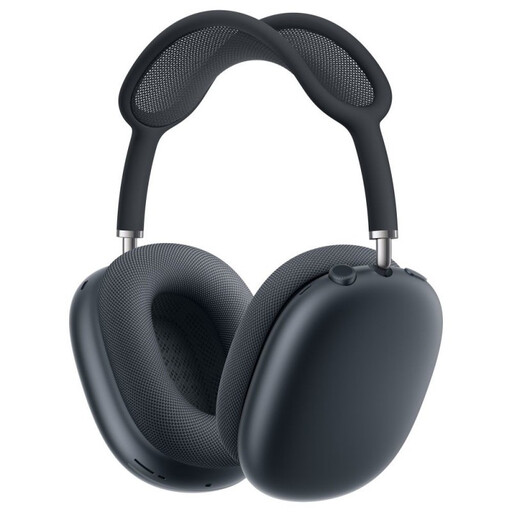 No image available
Consider these over-ear headphones if you want to listen in noisy surroundings and let in outside sounds from time to time.
 No image available
A wired option to consider if you don’t want to rely on a charged battery while listening.
They use a USB-C connection; check that your device supports audio through this connection.
 No image available
Consider these closed-back over-ear headphones with active noise cancelling if you mainly sit and listen to spoken lessons.
The product information lists Bluetooth and up to 24 hours of battery life.
 No image available
These noise-cancelling over-ear headphones have an ambient sound mode, so you can switch between focusing on your lessons and staying in touch with your surroundings.
Sony quotes up to 35 hours of use with ANC on. This is a manufacturer figure, not a guarantee of battery life in your circumstances.
Keep the headphones dry and don’t expose them to moisture.
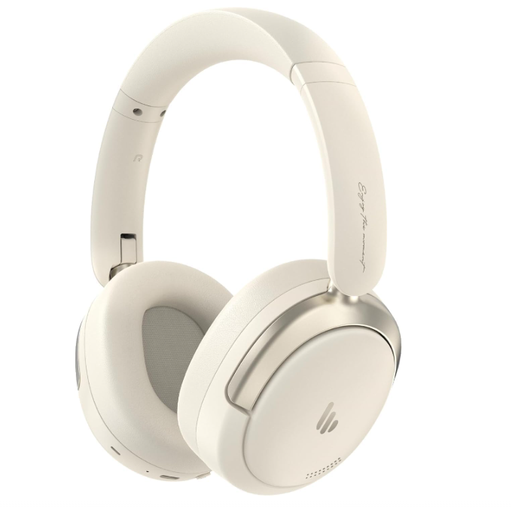 No image available
Consider these foldable over-ear headphones if you want to carry them between listening spots.
The product title lists active noise cancelling, Bluetooth 5.4 and up to 45 hours of playback.
First, decide whether blocking out distracting ambient noise or staying in touch with people around you matters more during your lesson. Noise-isolating headphones with ANC suit the first need; open-ear headphones suit the second. An ambient sound mode can offer a middle ground, but it doesn’t guarantee that you’ll hear every sound.
The World Health Organization recommends keeping the volume low and using well-fitting or noise-cancelling headphones to reduce the temptation to turn up the volume in noisy surroundings. The WHO gives an average of 80 dB for up to 40 hours a week as an example; this isn’t a guaranteed safe volume level for every device.
No. Follow the limits and instructions for the exact product and component. Shokz specifies IP55 for the OpenRun Pro 2; JBL lists IP54 only for the Tune Beam 2 earbuds, not the charging case. Store your equipment according to the product instructions and don’t charge it if the connection is wet.
According to the Dutch Government, many applicable distance purchases generally come with a 14-day cooling-off period, although exceptions may apply. If a product is faulty, you can assert your statutory rights with the seller. In the Netherlands, the statutory guarantee doesn’t have a fixed two-year period; a manufacturer’s warranty and any additional service plan are separate.