
Vandaag of morgen in huis

Kwaliteit gegarandeerd

Welkomstaanbiedingen ontgrendelen: GRATIS bezorging | Tot 80% korting | Gratis 30 dagen JoyPlus-proefperiode
Download de app
Buying new headphones sounds simple until you have to choose between Bluetooth, wired, noise cancelling, open-ear or a gaming headset. Marketing copy often highlights features that matter less in practice than fit, microphone quality and compatibility.
The three most common pitfalls:
Over-ear headphones surround the ear and can passively reduce ambient noise. This is useful on the train, in the office or during long listening sessions, but the model may feel warmer and take up more space.
An on-ear model rests on the ear and is often more compact. Sports headphones with ear hooks or an open-ear design stay in place better during movement, while allowing you to remain aware of your surroundings. With bone-conduction headphones, check that the manufacturer clearly explains how the model should be worn and charged.
Look out for:
“Memory foam” and “cloud-like comfort” are product descriptions used by brands, not a guarantee that every user will have the same experience. The right size and a personal fit remain decisive.
Bluetooth headphones are convenient for smartphones, tablets and laptops. As well as checking the Bluetooth version, check which codecs are supported. According to Baseus product information, LDAC can transmit more audio data than standard Bluetooth codecs, but the playback device must support this codec too.
For gaming, a wired connection can offer lower latency. The JBL Quantum 300 uses a 3.5mm connection and comes with a USB audio adapter. According to the product information, the headset works with PC, PlayStation, Xbox, Nintendo Switch, mobile devices, Mac and VR; according to the description, surround functions via JBL QuantumENGINE are only available on PC.
A USB headset is practical for a fixed workstation. Check in advance that your computer has a suitable USB-A or USB-C port. With a wired headset, cable length is also important, especially if your PC is under the desk.
For a headset with a microphone, the microphone position, mute controls and any noise reduction all matter. Brands describe AI or ENC systems as helping to reduce background noise. Do not present this as guaranteed performance: according to the Baseus product description, five microphones and an AI-assisted ENC system are intended to make calls clearer.
For wireless models, check:
Do not use headphones at a high volume for extended periods. Product warnings advise starting at a low volume and taking breaks. For swimming models, the charging port must be completely dry before you connect it.
The choices below are linked to verifiable specifications in the product information. They are not based on general superlatives, but on the intended use.
Why it suits this profile: This wireless open-ear model is designed for music, calls and mobile use without enclosed ear cups. The product information lists Bluetooth 5.3, a foldable design and a low-latency mode for gaming.
The open design means you do not have to rely solely on an ANC claim. However, check whether this design is suitable for noisy trains or busy offices.
Bluetooth 5.3, a foldable design and low-latency mode according to the product description.
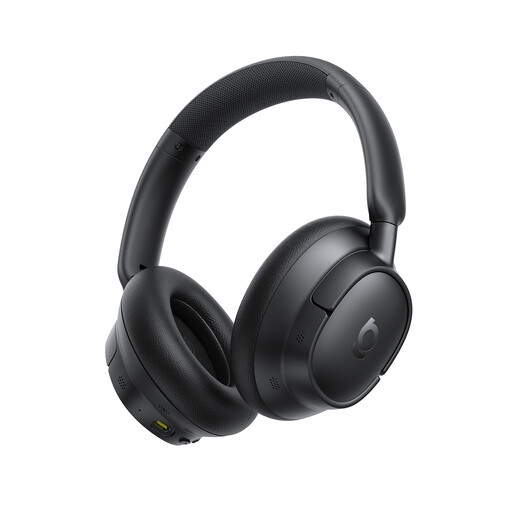
Why it suits this profile: Over-ear headphones with Hi-Res, LDAC, adjustable ANC and a long stated playback time are well suited to travellers and listeners who place a high value on wireless use.
The product information lists separate battery figures for ANC on and off. This makes comparisons more meaningful than relying on a general battery-life claim.
Up to 80 hours without ANC, 55 hours with ANC and 10 hours of additional playback after 10 minutes of charging, according to the product description.
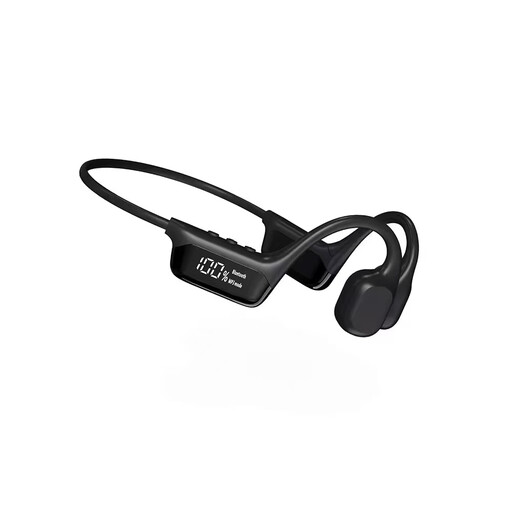
Why it suits this profile: According to the product information, these bone-conduction headphones are intended for swimming, running, cycling and office work. The open-ear design may be suitable when staying aware of your surroundings is important.
The product information mentions a swimming mode and warns that the charging port must be dry. Before using it in water, check the correct mode and care instructions.
Bluetooth 5.3, multipoint connection, ear-hook design and a stated weight of 80 grams.
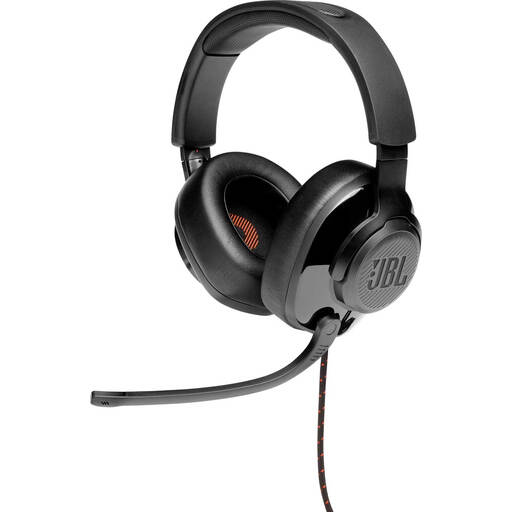
Why it suits this profile: This wired gaming headset combines 50mm drivers, a flip-up directional microphone and a 3.5mm connection. This makes it suitable for gaming and calls across multiple platforms.
The cable means you do not have to depend on a drained battery during a long session. However, check whether your device has a 3.5mm port or requires the supplied USB adapter.
50mm dynamic drivers, directional microphone and compatibility with PC, consoles, mobile devices, Mac and VR according to the product information.
We have put together a complete, up-to-date list of products that fully meet these strict selection criteria and the applicable European safety regulations.
Yes, provided the Bluetooth connection is stable and the microphone is suitable for your working environment. For a fixed desktop workstation, a USB headset may be more practical, as you do not need to charge a battery. A multipoint model can be useful if you use a laptop and smartphone at the same time.
Their lifespan depends on the hinges, ear cushions, cables, battery and maintenance. With wireless models, battery capacity decreases over time. Store your headphones in a dry place, charge them according to the instructions and avoid prolonged exposure to heat or moisture. With sports or swimming models, always check the specific warnings.
Active noise cancellation uses additional power. The stated figures vary by model and testing conditions. Therefore, look at the battery life with ANC enabled, not just the maximum figure without ANC. For daily travel, a fast-charging function may also be more practical than simply having a high total number of playback hours.
