
Solo learner
You listen to short passages repeatedly and want a wired connection so you can focus on the recorded guitar part. Headphones won’t identify the notes for you automatically.


Closed-back, wired studio headphones are a good choice if you want to replay short passages without worrying about battery life. Just check that the impedance version and plug are compatible with your player. If bus noise is your main concern, well-fitting headphones with active noise cancellation may suit you better. A wireless model with an audio cable also gives you the option of listening wired. None of these headphones can slow down the solo itself; you’ll need a suitable feature in your playback or editing software for that.
You listen to short passages repeatedly and want a wired connection so you can focus on the recorded guitar part. Headphones won’t identify the notes for you automatically.
You want to hear less background noise while listening, without constantly turning up the volume. A good fit and seal, and active noise cancellation, are separate features to consider.
You wear your headphones for long stretches, so you’ll also want to consider the fit, how much room the cable takes up and, for wireless models, battery life.
First decide whether your main priority is reducing bus noise or replaying short passages over a wired connection. Then compare connectivity, fit and the features available on your playback device.
| What to consider | What should you check? | Who should prioritise this? |
|---|---|---|
| Bus noise | Compare the fit and seal, and check whether the model has active noise cancellation. Don’t rely on the word ‘studio’ alone. | If you want to hear less background noise on the bus without turning up the volume, noise reduction should be your priority. Around 31% of consumers cite bus noise as their main concern. |
| Replaying details | Check the exact model version and connection, and whether your playback software can repeat sections or adjust the tempo. | If you want to compare short passages and work out the guitar part by ear, being able to replay them and having the right connection matter more than wireless convenience. Around 31% of consumers say this is their main buying concern. |
| Comfort | Consider pressure around your ears and glasses, and how much room the cable takes up in your seat. If possible, try the headphones on for a while. | If you’ll be wearing your headphones throughout a longer journey, you’ll want them to stay comfortable and the cable not to get in the way. Comfort is the top priority for around 23% of consumers. |
| Connection and battery life | Check the output on your phone or player, whether you need an adapter, the cable included and the battery specifications for the exact version. | If you want to make sure your headphones work with your own player and keep going throughout your journey, check both ends of the connection. Around 15% of consumers say connectivity and uninterrupted use are their main concerns. |
A closed-back design provides passive isolation; active noise cancellation is a separate feature. The fit also affects how much background noise you can hear.
If bus noise is your main problem, compare the seal and fit with a noise-cancelling model. The WHO recommends well-fitting headphones, potentially with noise cancellation, to help reduce the tendency to turn up the volume in noisy environments.
beyerdynamic offers 32, 80 and 250 ohm versions, intended for different types of playback equipment.
Check the full version name and make sure it’s suitable for your player. If possible, test your preferred listening volume on your own device.
An included cable will only work if its connector matches the output on your phone or player.
Before you buy, check both ends of the connection and which accessories are included with the exact version. You may need a suitable adapter.
The DT 770 PRO is a closed-back, wired studio headphone. The manufacturer describes different impedance versions for different playback devices.
The closed-back, wired HD 280 PRO has a foldable design. Sennheiser states that it offers passive ambient noise reduction of up to 32 dB.
According to Audio-Technica, the ATH-M50xBT2 is a wireless version in the M50x series, with a cable available as a wired option.
The closed-back WH-1000XM6 is a travel-focused headphone with active noise cancellation and a detachable audio cable.
This selection focuses on wireless headphones with active noise cancellation for listening on the go, including models that also offer wired listening.
 No image available
An option if you want noise cancellation on the bus and the ability to listen wired too.
The product name lists noise cancelling, a 3.5mm audio cable, 60 hours of battery life, fast charging and four microphones.
 No image available
An option if you want active noise cancellation and the ability to listen wired is important to you.
The product information lists active noise cancellation and an audio cable included for wired use.
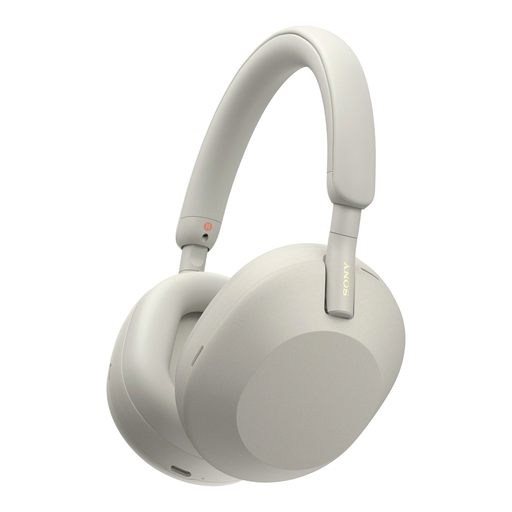 No image available
A wireless option for anyone who wants to use active noise cancellation on the bus.
The product name describes wireless headphones with noise cancelling.
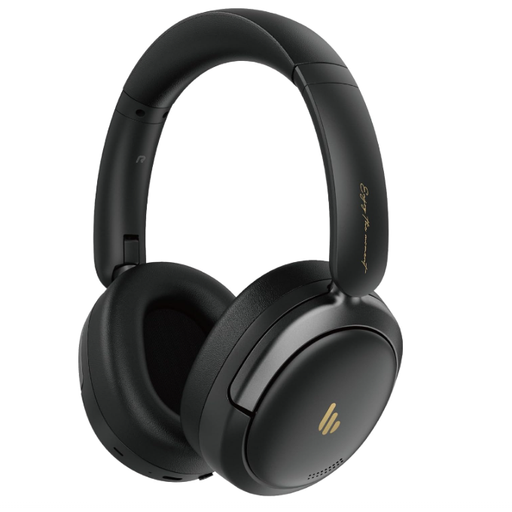 No image available
An option if you want active noise cancellation on the go and find a foldable design useful.
The product name lists hybrid active noise cancellation, Bluetooth 5.4, a foldable design and 45 hours of playback time.
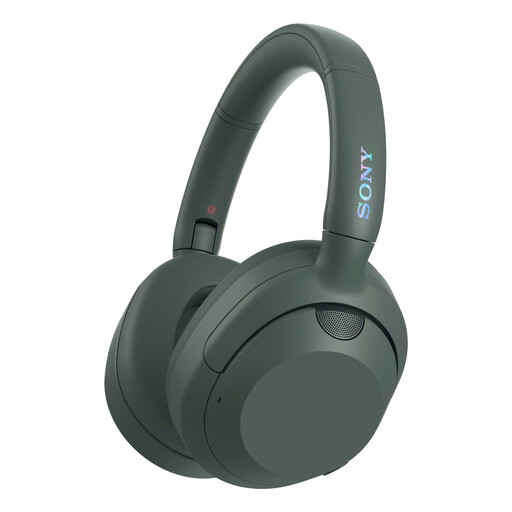 No image available
A wireless option for anyone who wants noise cancellation and headphones they can take along when travelling.
The product name lists Bluetooth and noise cancelling; the product information also mentions a 3.5mm connection and a foldable design.
No, you’ll need a suitable feature in your playback or editing software. Audacity describes ‘Change Tempo’ as a feature that changes the tempo and therefore the length of a selection without changing its pitch.
Only if you want to listen directly through a 3.5mm plug. The HD 280 PRO and the DT 770 PRO wired version we looked at both use this connection. Check which output your phone or player has and whether you need a suitable adapter.
The World Health Organization recommends well-fitting headphones, potentially with noise cancellation, to help reduce the tendency to turn up the volume in noisy environments. Keep the volume low and take listening breaks; no general setting is guaranteed to be safe for everyone or every device.
According to the Dutch Government, you should contact the seller. The Netherlands has no fixed statutory guarantee period; what you could reasonably expect from the product affects your right to a product that works properly. Normal wear and tear and damage caused by you aren’t automatically covered by free repairs.
According to the Dutch Government, when you buy online from a business, you usually have a 14-day cooling-off period. Check the relevant returns policy and any exceptions before buying; the statutory cooling-off period is separate from your rights if a product is faulty.