
Anyone working out a bassline
You listen to short sections repeatedly to identify individual low notes and want a suitable listening set-up, not simply more bass.


For listening while seated, start with a well-fitting pair of closed-back headphones. Check whether you can distinguish individual bass notes, rather than simply how much bass you can hear. A snug-fitting pair of in-ear headphones may work if they feel comfortable; active noise cancellation is mainly worth considering if background noise distracts you. Keep the volume at a modest level and take your headphones off before you go to sleep.
You listen to short sections repeatedly to identify individual low notes and want a suitable listening set-up, not simply more bass.
You want to listen just before bed with minimal sound leakage, without constantly turning up the volume to drown out background noise.
You want a comfortable fit while listening and to be able to finish your session easily before going to sleep.
Choose these if: you listen to sections repeatedly while seated, want to limit sound leakage and can connect your audio source to the headphones.
Bear in mind: earcups and cables can be awkward in bed. Check the connection and, where applicable, the impedance version.
Choose these if: you want a more compact set-up and the right-sized eartips feel comfortable.
Bear in mind: fit affects the seal, and pressure on your ears is worth paying extra attention to if you might fall asleep wearing them.
Choose these if: recurring background noise distracts you while listening.
Bear in mind: noise cancellation does not block every sound and can make important signals harder to hear. It is no proof of neutral bass reproduction.
Choose these if: you can listen without interruption and sound leakage will not bother anyone else.
Bear in mind: an open-back design offers less isolation and leaks more sound than a closed-back one.
| What to consider | What should you look for? | Who is this important for? |
|---|---|---|
| Distinguishing bass notes | Listen to a familiar section at a modest volume; do not judge accuracy by frequency range alone. | If I want to work out a sequence of low notes, I want to be able to distinguish them clearly. Around 36% of consumers put this first. |
| Limiting sound for others | Look for a closed-back design or well-fitting in-ear tips; also consider whether you need to hear important sounds around you. | In a shared bedroom, I do not want to disturb anyone or listen over background noise. Around 29% of consumers prioritise sound leakage and isolation. |
| Comfort and finishing before bedtime | Check the fit and eartip size; be mindful of the volume and listening time, and finish your session before going to sleep. | If I listen just before bed, I want a comfortable fit and to be able to take my headphones off easily. Around 21% of consumers prioritise comfort and finishing their session. |
| Connection and controls | Check the output on your phone, computer or audio interface, whether you need an adapter, and how the cable will run. | When I replay sections from my own device, I want the connection to suit my set-up. Around 14% of consumers put compatibility with their audio source first. |
A strong impression of bass does not, by itself, tell you whether you can identify individual notes clearly.
Compare the same familiar section at a modest volume and check that the fit feels comfortable.
The beyerdynamic DT 770 PRO comes in 32, 80 and 250 ohm versions. Check the full model name and make sure the connection suits your phone, computer or audio interface.
Also check whether you need a suitable connection or adapter for your chosen audio source.
Pressure, moisture and prolonged exposure to sound may raise different concerns when falling asleep than during a short session. Noise cancellation can also make important signals harder to hear.
Finish listening and take your headphones off before you go to sleep.
The HD 480 PRO and HD 280 PRO are different closed-back, wired models. Compare the version that suits your listening set-up.
The ATH-M50x is a closed-back, wired option with detachable cables.
The DT 770 PRO is a closed-back model. The manufacturer links the choice between 32, 80 and 250 ohms to the audio source you use.
The SE215 is a wired in-ear option with interchangeable eartips.
The WH-1000XM6 is a wireless over-ear option with active noise cancellation for listening when background noise is distracting.
This selection includes wireless over-ear models with noise cancellation and wired in-ear headphones. Check that the connection suits your playback device and that the fit feels comfortable for listening while seated.
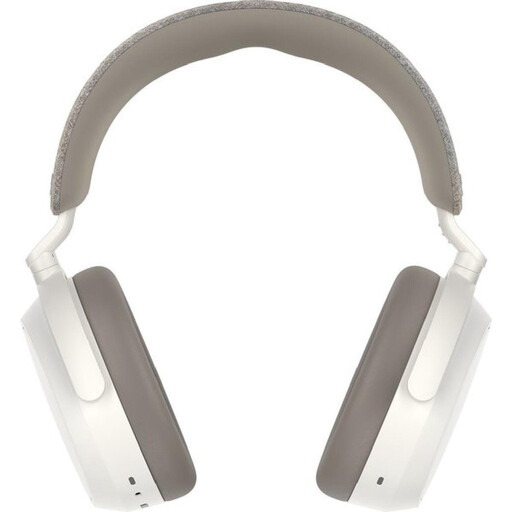 Image unavailable
Wireless over-ear headphones with noise cancellation; the product title also states a 60-hour battery life.
Check whether you want to use the specified 3.5 mm audio cable for wired listening. Keep an eye on the volume and listening time, and take the headphones off before you go to sleep.
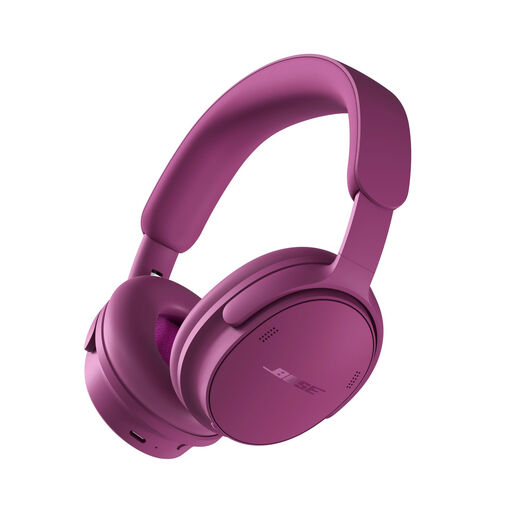 Image unavailable
An over-ear option to consider if noise cancellation matters when listening in a shared space.
Check that the wired listening option suits your audio source. Noise cancellation can make important signals, such as an alarm, harder to hear; take the headphones off before you go to sleep.
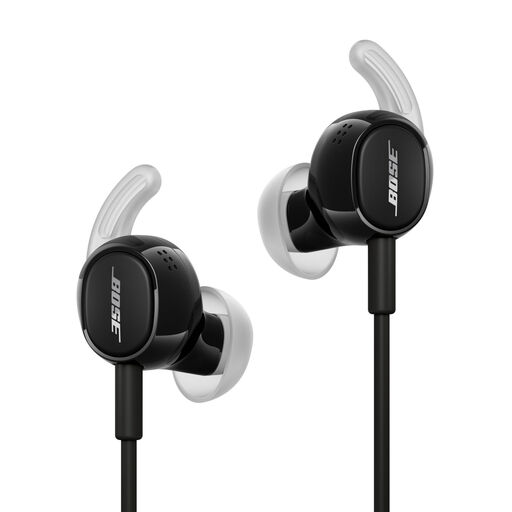 Image unavailable
Wired in-ear headphones with noise cancellation for anyone considering a more compact listening set-up.
Check that the specified USB-C connection suits your audio source and that the eartips seal comfortably. Take the earbuds out when you have finished listening.
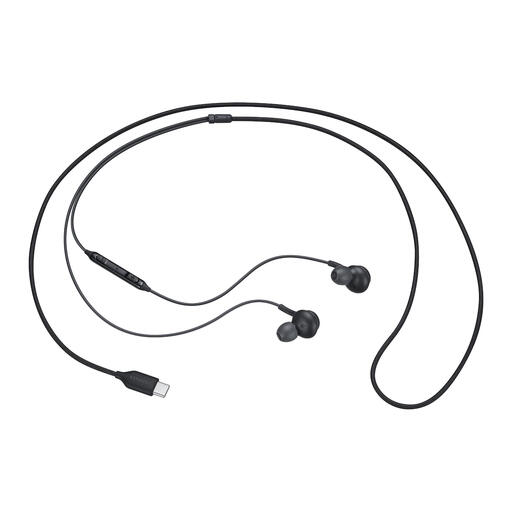 Image unavailable
Wired in-ear headphones with a USB Type-C connection; check that your playback device has this connection.
Choose eartips that fit your ears and take the earbuds out before you go to sleep.
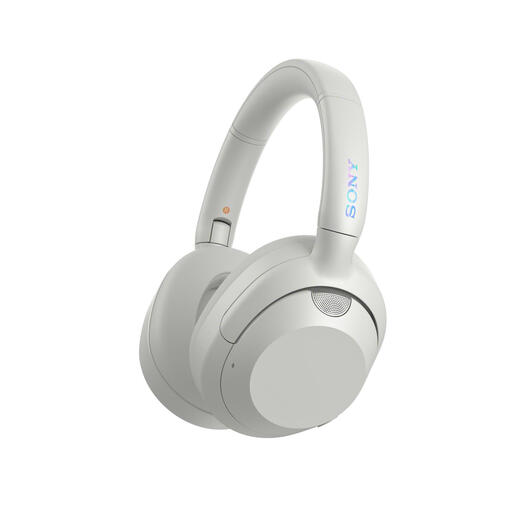 Image unavailable
Wireless over-ear headphones with noise cancellation and ULT bass modes; the product title states a maximum battery life of 30 hours.
A bass mode is no guarantee that you can distinguish individual bass notes accurately. Check the sound with your chosen track, and bear in mind that noise cancellation can make important signals harder to hear.
No, not just for the amount of bass. At a comfortable, low volume, check whether you can distinguish a sequence of notes; the fit affects the sound. A stated frequency range does not measure how well you can transcribe a bassline.
There is no need to for a listening session before bed: take your earbuds out when you have finished. Cleveland Clinic highlights potential issues with pressure, moisture, earwax, prolonged exposure to sound and alarms being harder to hear when sleeping with earbuds in.
Shure advises cleaning the eartips and letting them dry completely before using them again. Remove the tips before cleaning, and follow the care instructions for other brands.
If a product does not meet the terms of the purchase, the seller must offer a solution under Dutch government rules; there is no fixed statutory warranty period in the Netherlands. Online purchases generally also come with a 14-day cooling-off period after delivery, subject to legal exceptions. ACM ConsuWijzer notes that certain opened hygiene products may be exempt; check the terms that apply to your product.