Who is this choice relevant to?

Transcribing on a noisy train

You replay short passages over and over and want to reduce train noise without turning up the volume. The World Health Organization recommends well-fitting noise-cancelling headphones in noisy situations to help reduce the need to listen at a higher volume.

Picking out individual bass notes

You want to use a recording of your own to judge whether the bass response is useful, rather than relying on a bass label or frequency range. The Consumentenbond describes listening tests and measurements of low, mid and high frequencies as part of its assessment of sound quality.

Listening on the go with a laptop or phone

Your choice mainly depends on your device’s connection, battery life, fit and how much room the headphones take up in your bag. The Consumentenbond notes that over-ear headphones can be comfortable for long listening sessions, but take up relatively more space.

What should you look for?

Closed-back over-ear headphones with ANC

Choose these if: train noise masks quieter passages and you want to compare active noise cancellation with your own recording.

Bear in mind: ANC makes ambient noise less audible; wireless use also means keeping the battery charged.

Wired, closed-back studio headphones

Choose these if: a direct wired connection and use without a battery matter more to you than active noise cancellation.

Bear in mind: passive isolation isn’t ANC. Check that the connection is compatible with your device and that train noise won’t drown out the passage.

Compact in-ear headphones

Choose these if: space in your bag is at a premium and you can get a good seal with in-ear tips.

Bear in mind: the seal and comfort depend on the fit; a compact design alone says nothing about how clearly you’ll hear bass notes.

Key consideration What should you look for? Who is this important to?
Reducing train noise Compare ANC and passive isolation using the same bass passage; check whether you can quickly switch to an ambient sound mode. If the train masks my quieter passage, I want to reduce the noise without turning up the volume. Around 31% of consumers give reducing train noise their top priority.
Picking out individual bass notes Listen to the same tricky passage on the headphones you’re considering, and compare different EQ settings if needed. I want to follow the individual notes in my recording, not just hear prominent bass. Around 31% of consumers prioritise picking out bass notes.
Connection and battery life Check your device’s output, the cable type you need and the stated battery life for your preferred listening mode. I want to replay clips on the go without interruptions from a flat battery or an unsuitable connection. Around 19% of consumers prioritise connection and battery life.
Comfort and size Try the headphones on with any glasses you wear, check how they fold and wear them for longer than a quick demonstration. On a longer journey, I want a fit that doesn’t pinch and headphones that fit in my bag. Around 19% of consumers prioritise comfort and size.

Common buying mistakes

  • Assuming a bass label means notes will be easier to transcribe

    A description such as JBL’s ‘Pure Bass’ refers to the sound tuning. It doesn’t prove that you’ll find it easier to pick out individual notes in a recording.

    Compare the headphones you’re considering using the same tricky passage and a sensible listening level.

  • Assuming an audio cable means every feature works without a battery

    A wired input, passive playback and active noise cancellation are different features. Which ones work depends on the model and listening mode.

    Check the specifications separately to see whether wired playback, passive listening and ANC are available in the situation you have in mind.

  • Treating the first and second-generation QuietComfort Ultra as the same product

    Bose describes the QuietComfort Ultra Headphones (2nd Gen) as including USB-C audio, among other features; the first generation is a different product version.

    Check the full model and generation name before relying on details about connections or battery life.

  • Confusing an extended warranty with your statutory rights

    ACM ConsuWijzer distinguishes between statutory warranty rights and additional manufacturer warranties or cover. The retailer remains responsible for faulty goods under your statutory rights.

    Check what any additional cover includes. If a product is faulty, contact the retailer about your statutory rights.

Brands to consider for this choice

Sony

According to Sony Netherlands, the WH-1000XM6 is a closed-back, over-ear ANC model with a cable input, passive operation and an ambient sound mode.

  • Sony specifies up to 30 hours of music playback with NC on.
  • This is a manufacturer figure, not proof that the model separates bass notes better than other headphones.

Sennheiser

According to Sonova Consumer Hearing, MOMENTUM 4 Wireless offers adaptive ANC, an ambient mode and adjustable EQ.

  • Sonova Consumer Hearing states up to 60 hours per full charge and includes an aux cable.
  • The sound benefits described are the manufacturer’s claims, not an independent test of bass transcription.

Bose

According to Bose, the QuietComfort Ultra Headphones (2nd Gen) offer ANC, an aux input and USB-C audio.

  • Bose specifies up to 30 hours per charge for this generation.
  • Check the generation name: the first generation is a different product version.

Audio-Technica

According to Audio-Technica, the ATH-M50x is a wired, closed-back studio headphone with detachable cables and passive isolation.

  • The cables are detachable; check that the connection is compatible with your playback device.
  • Based on the product description, this model doesn’t have ANC; passive isolation isn’t the same as active noise cancellation.

JBL

JBL describes the Tune 770NC as a foldable wireless over-ear model with adaptive ANC, ambient modes and adjustable EQ.

  • The listed features let you compare listening modes and EQ settings.
  • ‘Pure Bass’ is a manufacturer’s label, not an independent measure of how clearly you can hear individual notes; check the battery life for each listening mode.

Headphones on Joybuy

This selection includes headphones for transcribing bass on the go, including noise-cancelling over-ear models and compact in-ear headphones.

Bose QuietComfort Ultra Bluetooth Headphones - Black

Bose QuietComfort Ultra Bluetooth Headphones - Black

An over-ear option for anyone looking for noise cancellation and wired listening; check the exact generation name and which cable is included.

View on Joybuy
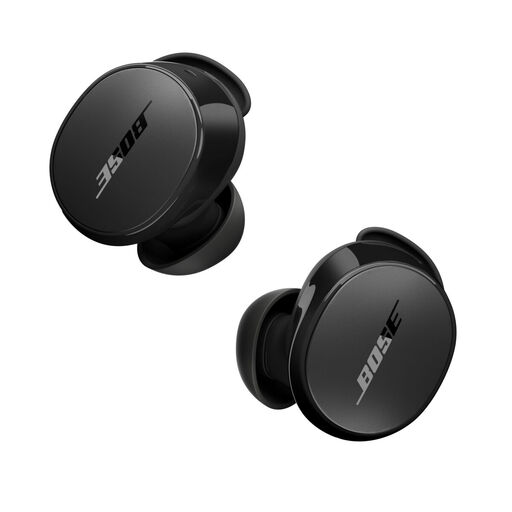
Bose QuietComfort Earbuds Black

Bose QuietComfort Earbuds Black

A compact in-ear option for anyone who values isolation and adjustable EQ; check that they create a good seal and remain comfortable.

View on Joybuy
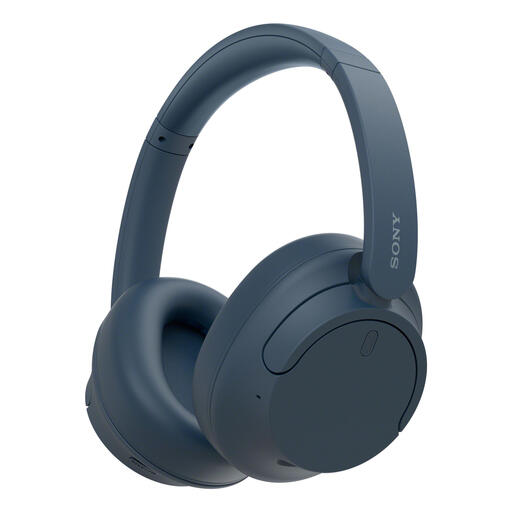
Sony WH-CH720N Noise Cancelling Wireless Bluetooth Headphones - Up to 35 Hours Battery Life and Quick Charge - Blue

Sony WH-CH720N Wireless Bluetooth Headphones - Blue

A wireless over-ear option for anyone who wants to use noise cancellation when replaying passages.

The product name states up to 35 hours of battery life and quick charging; check the conditions that apply to the stated battery life.

View on Joybuy
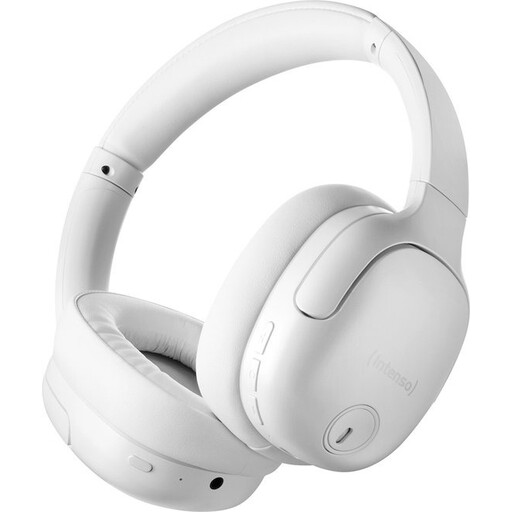
Intenso O400HA over-ear headphones - White

Intenso O400HA Over-Ear Headphones - White

An over-ear option for anyone who wants to compare noise cancellation and wired listening on the go. Check the listening modes and connection listed to make sure they suit your needs.

View on Joybuy
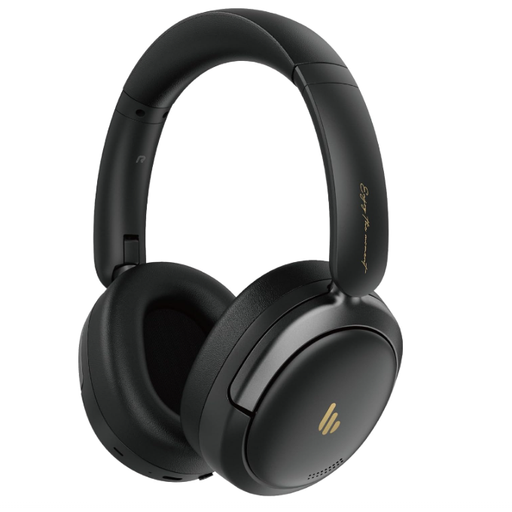
Edifier Atom Max Foldable Over-Ear Headset – Hybrid Active Noise Cancellation, Hi-Res Audio, Integrated Microphone, Volume Control, 45H Playback, Fast Charge, Bluetooth 5.4, App Personalization, Black

Edifier Atom Max Foldable Over-Ear Headset - Black

A foldable over-ear option for anyone who wants noise cancellation on the go and needs to carry their headphones in a bag.

The product name states Bluetooth 5.4 and 45H Playback; check which listening mode the stated battery life applies to.

View on Joybuy

Frequently asked questions

For transcribing bass, should I rely on a frequency range or a label such as ‘extra bass’?

No, not as proof on its own that you’ll be able to pick out individual notes more clearly. Compare the same tricky passage on the headphones you’re considering; the Consumentenbond describes listening tests and measurements of low, mid and high frequencies as part of its assessment. ‘Pure Bass’ is JBL’s own product description.

How can I avoid continually turning up the volume on the train?

Start with a good fit and use suitable noise cancellation if your headphones have it. The World Health Organization recommends well-fitting noise-cancelling headphones in noisy situations to help reduce the need to listen at a higher volume, and also recommends taking listening breaks.

Can a spectrogram help me work out an unclear bass part?

A spectrogram can show how energy in different frequency ranges changes over time. According to the Audacity manual, this gives you a visual clue to investigate a passage; it doesn’t guarantee that the bass guitar will be separated from other sounds.

Can I listen to music through headphones on an NS train?

Follow the operator’s rules when travelling on an NS train. NS’s guide to Sprinter and Intercity trains says that the quiet zone must be kept quiet and that passengers must not disturb others with loud music. Check the rules of any other operator you travel with.

What should I look for when trying headphones on for a longer listening session?

Check that the headphones feel comfortable with any glasses you wear and don’t pinch when worn for a longer period. The Consumentenbond assesses fit and comfort separately; a quick try-on won’t tell you everything about how they’ll feel on a longer journey.
