Start with a well-fitting pair of closed-back headphones and listen to a familiar excerpt at a moderate volume. In a shared quiet space, keeping sound leakage to a minimum matters more than maximum noise cancellation. Then choose between wired listening without a playback battery, ANC for noisy places or a compact on-ear model. Compare the bass reproduction and fit for yourself: a stated frequency range doesn’t prove that individual bass notes in your recording will be easy to distinguish.
Who is this choice for?
Bass transcriber working in a quiet space
You want to replay bass notes without disturbing other visitors, so you’re looking for closed-back earcups, a good seal and a moderate listening volume. Shure notes that sound can also escape through open-back earcups.
Listener looking to distinguish bass notes
You want to follow the pitch and attack in an existing recording, not just hear more bass. Compare your options using the same familiar excerpt; model specifications are no substitute for listening tests.
Transcriber with long sessions or changing work locations
Consider comfort, the cable and the battery if you’ll be using the same headphones for long stretches or outside the library too. Over-ear and on-ear models can feel different, and fit varies from person to person.
What should you look for when choosing?
First, check that the design and fit are right for a shared quiet space. Then compare bass notes and attack using the same excerpt. Finally, make sure the connection, cable and any battery suit your playback device and session.
| What to consider |
What to look for |
Especially relevant if you |
| Sound leakage and seal |
Choose a closed-back design and check that the ear cushions fit well and that someone sitting next to you can’t hear the excerpt at your usual volume. |
Want to listen repeatedly in a quiet space without disturbing others. Around 36% of consumers put minimising sound leakage first. |
| Bass notes and attack |
Listen to the same challenging excerpt at a similar, moderate volume. Focus on pitch and the start of each note, not just bass power. |
Want to write out a bass line and distinguish successive notes in the recording. Around 29% of consumers give bass detail top priority. |
| Comfort when listening repeatedly |
Consider pressure, warmth, room for your ears and how the headphones feel in your usual working position. |
Need to replay passages often and want a fit that feels comfortable throughout your session. Around 21% of consumers put long-wearing comfort first. |
| Connection and battery |
Check your device’s output, the plug and cable length. With an ANC model, also check whether you can listen wired when the battery is flat. |
Want to work without interruption and need the connection to suit your device and how you use it. Around 14% of consumers give connectivity and ease of use top priority. |
Common buying mistakes
-
Choosing an open-back model because it’s meant for critical listening
Shure notes that sound can escape through open-back earcups. That may not be suitable for a shared quiet space.
As a starting point, choose a closed-back model for the library and check for audible sound leakage at your usual volume. Save an open-back model for somewhere where sound escaping isn’t a problem.
-
Assuming a wider stated bass range means bass notes will be easier to hear
A frequency range in the specifications doesn’t tell you how clearly individual notes will sound in your recording. Manufacturers also describe different sound profiles without providing a direct comparison for transcription.
Compare the same challenging excerpt at the same moderate volume. Focus on pitch and attack rather than bass power alone.
-
Treating different DT 770 versions as identical
beyerdynamic lists the DT 770 PRO X with a nominal impedance of 48 ohms and a detachable mini-XLR cable. The separately listed DT 770 PRO has an impedance of 80 ohms.
Check the full model name and version, and make sure the connection suits your playback device and cable requirements.
Brands to compare
AKG
The K371 is a closed-back, foldable, wired over-ear studio headphone to compare if bass detail and portability matter to you.
- AKG lists replaceable ear cushions and three detachable cables for the K371.
- AKG’s claim that it has a neutral sound profile isn’t independent confirmation that every bass line will be easier to transcribe with it. Also check that the ear cushions fit you well.
beyerdynamic
The closed-back, wired DT 770 PRO X is an over-ear option with a detachable cable; the DT 770 PRO 80 ohm is a separate version.
- According to beyerdynamic, the PRO X has a detachable mini-XLR cable and a nominal impedance of 48 ohms.
- The DT 770 PRO 80 ohm has a different impedance, according to the same manufacturer. Don’t treat the versions as identical; claims about comfort and sound aren’t an independent comparison.
Audio-Technica
The wired ATH-M50x is a closed-back studio over-ear headphone to compare if you’re looking for a detachable cable and passive isolation.
- Audio-Technica lists a detachable cable for this model and describes it as offering passive isolation.
- The manufacturer’s descriptions of its sound and comfort aren’t an independent assessment of bass detail or fit during long sessions.
Sony
The WH-1000XM6 is a closed-back over-ear alternative if you also need ANC and wireless listening alongside library work.
- Sony lists ANC, a detachable audio cable and passive use for this model.
- The stated maximum playback time varies depending on the NC setting. ANC alone doesn’t prove that bass notes will be easier to distinguish or that no sound will leak out.
Sennheiser
The HD 25 is a closed-back, wired on-ear monitor alternative to compare if you prefer a compact style.
- Sennheiser lists passive isolation and a detachable single-sided cable.
- The manufacturer also describes a strong clamping force. On-ear fit and pressure can feel different during long sessions compared with an over-ear model.
Joybuy products
These product options include over-ear headphones, including closed-back ANC models, and a wired gaming headset. For each product, check that the fit, connection and controls meet your needs for transcription.
 No image available
Sennheiser MOMENTUM 4 Wireless, over-ear, black
An over-ear option if you want to combine ANC with wired listening without using the playback battery.
The product information lists a 3.5mm cable, passive use without a battery and a stated battery life of 60 hours.
View at Joybuy
 No image available
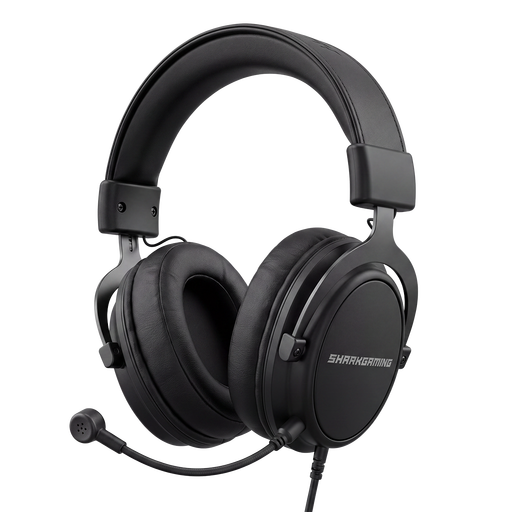
Shark Gaming Receptor H70, wired gaming headset
A wired headset to consider if connectivity options and adjustable sound matter to you.
The product information lists USB-C and 3.5mm connections, plus a 10-band equaliser for adjusting bass, mid-range and treble.
View at Joybuy
 No image available
Bose QuietComfort Ultra, Bluetooth over-ear, black
A closed-back over-ear model to compare if you want ANC and the option to listen wired without a battery.
The product information lists active noise cancellation, an audio cable for listening without a battery and a stated maximum battery life of 24 hours.
View at Joybuy
 No image available
Sonos Ace, over-ear Bluetooth headset, black
A closed-back over-ear option if you want to combine ANC with wired connectivity.
The product information lists USB-C and 3.5mm cables, ANC and a stated battery life of up to 30 hours.
View at Joybuy
 No image available
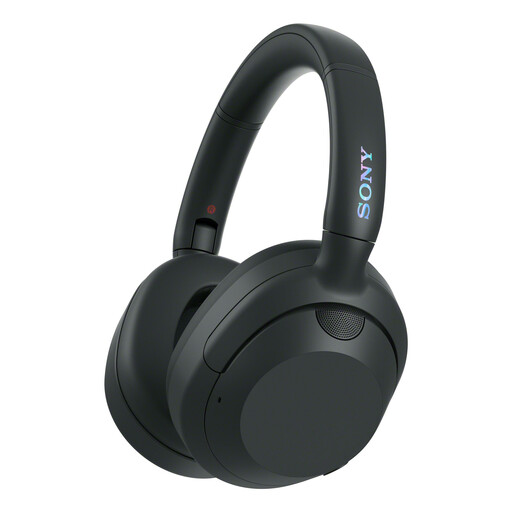
Sony WH-ULT900N ULT Wear, over-ear, black
A closed-back over-ear model to compare if you want ANC and need a cable for wired listening.
The product information lists active noise cancellation and a detachable cable.
View at Joybuy
Frequently asked questions
Are open-back headphones suitable for a quiet library?
Not if keeping sound leakage to a minimum is your priority: Shure notes that sound can escape through open-back earcups. Check your library’s rules too. Bibliotheek Rotterdam and Bibliocenter have their own wording; it doesn’t automatically apply to all Dutch libraries.
How do I connect wired studio headphones?
Compare your playback device’s output with the plug and any adapter for the exact version. AKG lists three detachable cables and adapters for the K371; that doesn’t mean other models come with the same accessories.
Should I turn up the volume to hear a quiet bass note?
Don’t automatically turn up the volume to look for detail. VeiligheidNL warns that prolonged exposure to loud noise can cause hearing damage. Instead, compare difficult passages at a moderate volume and check that the headphones fit well.
What if the fit or bass reproduction isn’t right after buying online?
For eligible online consumer purchases, you generally have a statutory 14-day cooling-off period after delivery, although exceptions apply. Check the terms for your purchase. According to ACM ConsuWijzer, the seller is responsible for the statutory guarantee if a product doesn’t perform as you could reasonably expect under normal use. Simply preferring a different sound isn’t necessarily a fault.


