
Bass transcriber on a noisy coach
You want to keep track of quiet bass notes without turning up the volume when you can hear the engine.


If engine noise is masking the bass line, well-fitting headphones with active noise cancelling (ANC) are a sensible first choice. If you mainly want a direct wired connection and passive isolation is enough, you could also consider closed-back studio headphones. Test them with your own recording to see if the notes remain clear, check the connection on your playback device and don’t turn the volume up to drown out the noise of the coach. The Consumers’ Association (Consumentenbond) explains that headphones can make engine noise on a bus less noticeable; the WHO recommends using noise cancelling to help reduce the temptation to listen at higher volumes in noisy environments.
You want to keep track of quiet bass notes without turning up the volume when you can hear the engine.
You replay short passages over and over, and want a cable connection that works with your phone, laptop or other playback device.
You want to listen comfortably during the journey and, when needed, hear announcements or other travel information.
Start with the type of sound you want to reduce: ANC is designed to reduce ambient noise, while closed-back studio headphones offer passive isolation. Then test them with your own recording and check the connection and controls you’ll need on the move.
| What to consider | What should you check? | Who is this important for? |
|---|---|---|
| Engine noise | Compare the ANC performance and fit; check how to switch on ambient mode. | If I can hear the engine while transcribing a bass line, I want to be able to listen at a comfortable volume. Around 33% of consumers prioritise reducing engine noise. |
| Recognising bass notes | Listen to a familiar recording and compare the available sound settings. | If I need to transcribe notes from my own mix, I want to be able to follow them individually without relying on bass boost. Around 33% of consumers give note recognition top priority. |
| Wired connection | Check your playback device’s port, the cable type and which features work when connected by cable. | If I replay short passages, I want to know whether the headphones can connect directly to my playback device. Around 20% of consumers prioritise this connection. |
| Comfort and travel information | Assess the fit for longer listening sessions and try the controls for pausing or letting in ambient sound. | If I’m making a longer journey, I want to listen comfortably and hear announcements when needed. Around 14% of consumers give travel comfort and information top priority. |
A specification doesn’t automatically tell you how clearly you’ll hear notes in your recording. The balance between low, mid and high frequencies also matters.
Try a familiar bass passage at a comfortable volume and compare the available settings.
Closed-back studio headphones passively block out sound; ANC is a different approach to ambient noise such as engine rumble.
Choose based on the sounds you encounter on your journey, and compare both approaches if you can.
The cable, ANC, controls and sound settings can vary between models and listening modes.
Check the manual for the exact version and try the connection with your own playback device.
The WH-1000XM6 combines ANC with a detachable analogue cable option.
According to the manufacturer, the MOMENTUM 4 Wireless offers adaptive ANC, a Transparency Mode, adjustable EQ and a supplied aux cable.
The ATH-M50x is a wired, closed-back studio headphone with detachable cables.
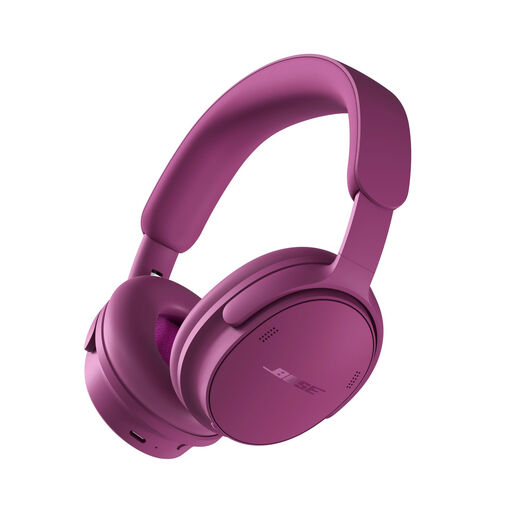
The QuietComfort Ultra Headphones (2nd Gen) are an ANC model with analogue and USB-C connections.
The standard version of the Tour One M3 is a wireless over-ear ANC headphone with app features.
This selection focuses on over-ear headphones with ANC for listening on a coach journey; several models also list wired connections or sound settings. Compare these options with your own recording and the connection on your playback device.
 No image available
The stated adaptive ANC and Transparency Mode may be useful if you want to reduce or let in ambient sound while on the move.
The product description lists a 42 mm transducer, adjustable EQ via the app and a supplied 3.5 mm audio cable.
 No image available
The stated Quiet and Aware modes may be useful when you want to switch between listening and hearing ambient sound while travelling.
Wired connectivity and lossless audio via USB are listed; check that the connection works with your playback device.
 No image available
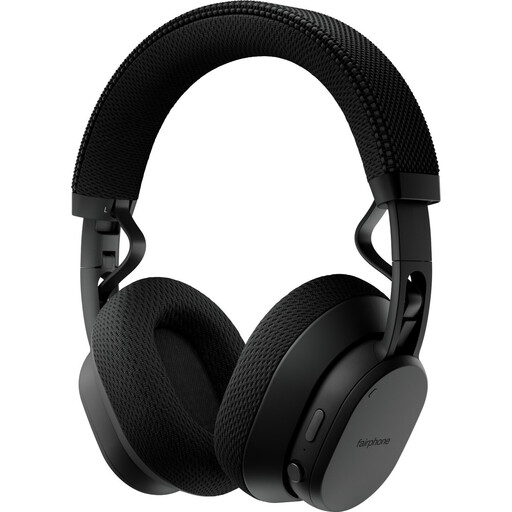
The stated hybrid ANC and ambient sound mode give you two listening settings to compare on the move.
The product description lists EQ presets via the app and a replaceable battery.
 No image available
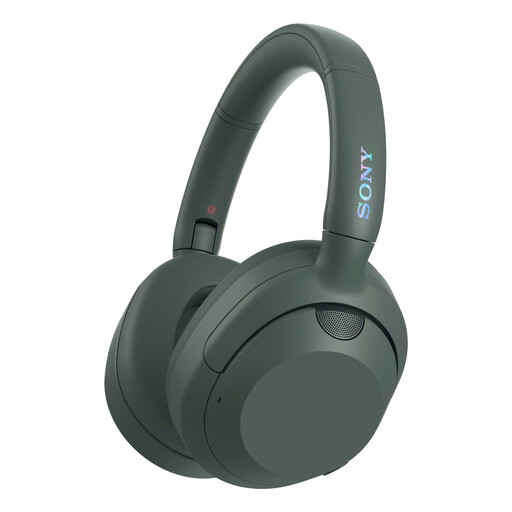
The headphones list noise cancelling and ambient sound modes for use on the move.
The product description lists two ULT sound modes; try them with your own recording to see which setting you prefer.
 No image available
This over-ear model lists active noise cancelling for listening in noisy surroundings.
A detachable cable with USB-C and 3.5 mm connections is listed; check which connection works with your playback device.
No, don’t turn up the volume to drown out engine noise. A good fit and ANC can reduce the temptation to listen louder. The WHO recommends keeping the volume down, considering how long you listen and taking breaks.
Check that the cable and connection work with your playback device, and try your preferred listening mode beforehand. Sony lists a stereo cable for the WH-1000XM6, Sennheiser an aux cable for the MOMENTUM 4 Wireless, and Bose an audio cable and USB-C for the QuietComfort Ultra Headphones (2nd Gen). Also check how ANC and sound settings work with the connection you’re using.
Pause your recording or use ambient or Transparency Mode if your model has one. Sennheiser and Sony list these modes for the models mentioned; check in advance how quickly you can access them.
No. According to ACM ConsuWijzer, there is no fixed period for the statutory guarantee in the Netherlands; it depends on how long you can reasonably expect the product to last. If the seller is responsible for a fault, you can ask them for an appropriate solution. A shorter manufacturer’s guarantee doesn’t take away this right.
For distance purchases from a business, you’ll often have a 14-day cooling-off period. The Dutch government lists exceptions; check the information about the cooling-off period and the terms that apply to your purchase.