Who is this for?

Choir singer listening along

You mainly practise by listening to an existing backing vocal or accompaniment while travelling. Comfort and manageable train noise both matter; the Consumentenbond highlights wearing comfort and available features as things to consider when choosing headphones.

Singer monitoring their own voice

You want to hear your voice alongside the accompaniment when recording. So check the connection and latency across your entire recording setup. Ableton describes direct monitoring through a suitable audio interface as a way to send the microphone signal to your headphones.

Traveller who wants to stay alert

You want to practise without missing announcements or disturbing fellow passengers. NS asks passengers not to disturb others and keeps its quiet zone peaceful.

What should you look for?

Closed-back over-ear headphones with ANC

Choose these if: you mainly listen to an existing vocal or instrumental part and want to reduce train noise.

Bear in mind: the space the earcups take up in your bag, and how important it is to have an ambient mode you can access quickly.

In-ear headphones with ANC

Choose these if: a compact design matters and you find in-ear headphones comfortable.

Bear in mind: the seal varies from ear to ear; a transparency mode is no substitute for staying aware of your surroundings.

Wired headphones with direct monitoring

Choose these if: you want to hear your own voice back in real time while recording.

Bear in mind: carrying a cable and, possibly, an adapter or suitable audio interface is less convenient when travelling; check the whole connection.

What to consider What should you check? Who is this important for?
Hearing the accompaniment Compare the fit and seal; also consider whether ANC and an easily accessible ambient mode suit the way you’ll use them. If I want to follow the harmonies clearly during my journey, I prioritise an easy-to-hear accompaniment without having to listen unnecessarily loudly. Around 29% of consumers make this their top priority.
Monitoring your own voice Check the recording app, microphone, connection and any direct monitoring from your audio interface. When singing and recording at the same time, I want to hear my voice back promptly, not after a noticeable delay. Around 29% of consumers prioritise live voice monitoring.
Your surroundings and fellow passengers Check how to switch on ambient mode, and take the rules and the zone you’re travelling in into account. If I want to hear announcements and be considerate of others, staying aware of my surroundings while travelling matters most. This is the top priority for around 24% of consumers.
Comfort and listening volume Assess the fit for longer journeys and keep the volume low; don’t try to drown out train noise by turning it up. For regular journeys, I want comfortable headphones that help me avoid listening at an unnecessarily high volume. Around 18% of consumers say this is their priority.

Pitfalls to avoid

  • Assuming a call microphone lets you monitor live vocals

    A microphone for calls doesn’t prove that you can hear yourself back while recording without distracting delay. Bluetooth can add latency; performance depends on your recording app and equipment.

    Before buying, check your recording app, microphone signal path and options for wired listening or direct monitoring. Ableton describes direct monitoring through a suitable audio interface.

    If your existing recording setup doesn’t offer usable direct monitoring, you may need a suitable adapter or audio interface.

  • Assuming ANC means you won’t miss anything or disturb anyone

    Noise isolation can make announcements harder to hear. Your headphones won’t stop fellow passengers from hearing you sing, either.

    Check the ambient mode controls. NS quiet zones must be kept quiet; don’t disturb fellow passengers elsewhere, either. If you’re travelling with another operator, check its rules.

  • Comparing battery life without considering the listening mode

    Stated battery life can vary between settings, for example with noise cancellation on or off.

    Compare manufacturer figures only for the same relevant listening mode, and also consider whether the fit suits your journey.

Brands to consider

Sony

The WH-1000XM6 is a closed-back over-ear option to consider if you’re comparing ANC, ambient mode and wired listening.

  • Sony Netherlands lists a stereo mini-jack input, passive operation and up to 30 hours of music playback with noise cancellation on for the WH-1000XM6.
  • These specifications don’t prove that live vocal monitoring will work with your recording setup; check the connection and microphone signal path separately.

Sennheiser

The MOMENTUM 4 Wireless is an over-ear option if a transparency mode and the stated playback time are important to you.

  • Sennheiser states that this model offers up to 60 hours of playback and has a transparency mode.
  • The maximum battery life is a manufacturer estimate and doesn’t guarantee the same usage time with every setting or make the headphones suitable for live monitoring.

Apple

AirPods Pro 3 are a compact in-ear option with different ear tip sizes, ANC and a transparency mode.

  • Apple lists five sizes of silicone ear tips and up to 8 hours of listening time on a single full charge with ANC on.
  • Fit needs to be assessed for each ear; these specifications don’t indicate whether vocal monitoring works without delay.

JBL

The Live 780NC over-ear and Live 680NC on-ear offer different styles to compare.

  • JBL describes both models as wireless headphones with noise cancelling.
  • Check whether the exact model has the ambient mode, cable and connection you need.

Teufel

The REAL BLUE PRO is a closed-back, foldable over-ear model; Teufel says it has replaceable ear cushions.

  • Teufel states that this model offers up to 44 hours with ANC and 56 hours without ANC, and comes with a travel case.
  • Microphone details for calls don’t prove that the headphones are suitable for live vocal monitoring.

Joybuy products for travelling

These Joybuy models are suited to listening to vocal accompaniment while travelling. If you also want to monitor your own voice live while recording, check separately that the connection you choose and your recording equipment support this.

Sennheiser MOMENTUM 4 Wireless, black

Sennheiser MOMENTUM 4 Wireless, Black

An over-ear option for anyone wanting to reduce train noise while listening to accompaniment. Sennheiser states that this model offers up to 60 hours of playback and has a transparency mode; battery life depends on how you use it.

View at Joybuy
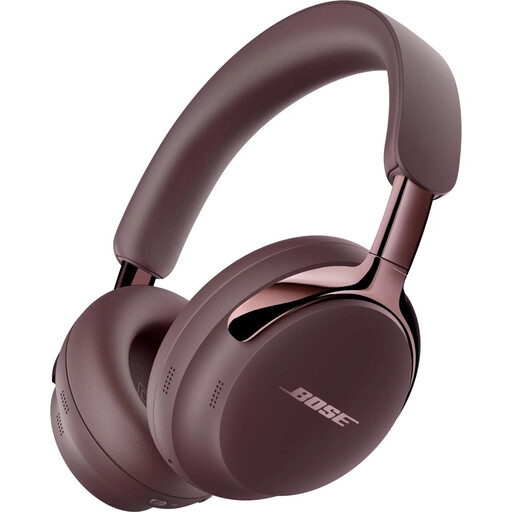
Bose QuietComfort Ultra Headphones (2nd Gen), Cherry Chocolate

Bose QuietComfort Ultra Headphones (2nd Gen), Cherry Chocolate

An over-ear option for anyone mainly listening to accompaniment on the train. For live monitoring, check that the cable, connection and recording equipment work together.

View at Joybuy
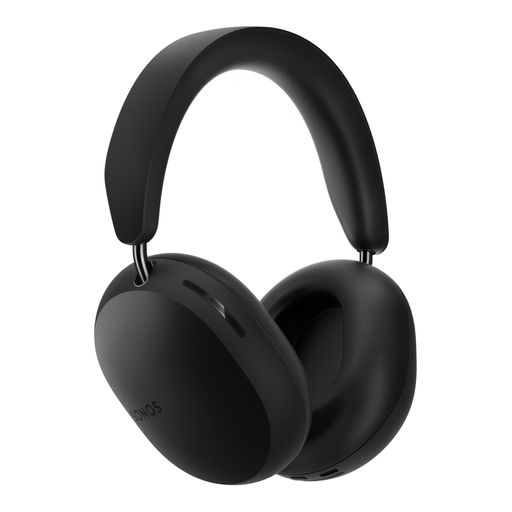
Sonos Ace over-ear Bluetooth headphones, black

Sonos Ace Over-Ear Bluetooth Headset, Black

An over-ear option for anyone wanting to reduce train noise while listening to vocal accompaniment. Check the connection separately if you want to use the headphones for live voice monitoring.

View at Joybuy
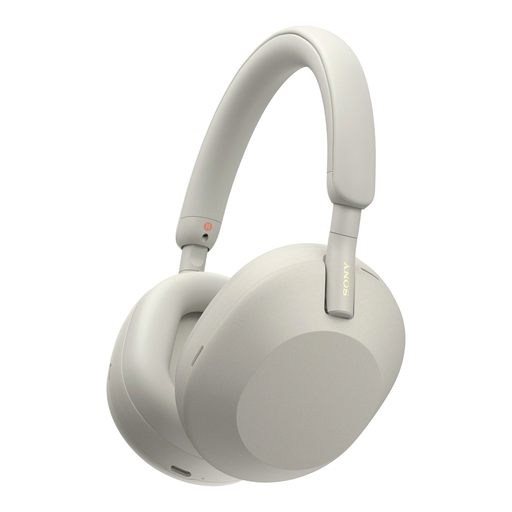
Sony WH-1000XM5 wireless headphones, silver

Sony WH-1000XM5 Wireless Headphones, Silver

These wireless noise-cancelling headphones are a good choice if you want to reduce train noise while listening to accompaniment. The stated maximum battery life of 30 hours applies with noise cancelling switched on.

View at Joybuy
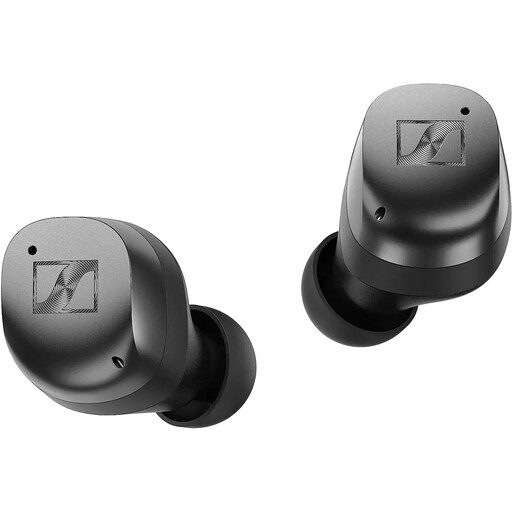
Sennheiser MOMENTUM True Wireless 4 smart earbuds, black

Sennheiser MOMENTUM True Wireless 4 Smart Earbuds, Black

A compact in-ear option for anyone wanting to reduce train noise and use a transparency mode. Check the fit with the available ear tips, and remember that this mode doesn’t mean you can stop paying attention to your surroundings.

View at Joybuy

Frequently asked questions

Can I sing out loud while wearing headphones in an NS quiet zone?

No, quiet zones on NS trains must be kept quiet. You mustn’t disturb fellow passengers elsewhere on the train with loud conversations or music, either; headphones won’t stop others from hearing your voice. Check the rules of other train operators separately.

Is Bluetooth enough to hear myself back straight away while recording?

Don’t assume so. Ableton explains that Bluetooth can add latency compared with wired listening, and that direct monitoring requires a suitable audio interface. Test your recording app, microphone and headphones together before relying on live monitoring.

Why does the accompaniment sound different when I use my Bluetooth headphones’ microphone?

Apple explains that Bluetooth headphones may switch to a voice mode with lower playback quality when their built-in microphone is in use. This example relates to use with a Mac; check how your own device and app behave.

How can I keep the listening volume at a safe level on the train?

Keep the volume low and don’t try to drown out train noise by turning it up. The World Health Organization gives 80 dB for up to 40 hours a week as an example of safe listening; the actual sound level depends on your device and settings.

Who should I contact in the Netherlands about faulty headphones?

According to the Dutch government, report the problem to the seller, who must provide a solution. There is no fixed statutory warranty period for all products in the Netherlands; what you could reasonably expect from the product and the cause of the fault are both relevant.
