
Singer in a noisy home
You want to hear the backing track without constantly turning up the volume to drown out household noise. Fit and isolation come first; VeiligheidNL notes that well-fitting headphones can help you listen at a lower volume.


For practising backing vocals in a noisy home, a well-fitting pair of closed-back headphones is a sensible place to start. Closed-back models generally limit sound leakage, while the fit affects how much outside noise you hear, as Audio-Technica explains. If you record yourself or monitor your voice live, check that the wired connection works with your recording equipment and that it supports monitoring. For longer practice sessions, fit and replaceable parts matter even more.
You want to hear the backing track without constantly turning up the volume to drown out household noise. Fit and isolation come first; VeiligheidNL notes that well-fitting headphones can help you listen at a lower volume.
You want to stop sound from your headphones bleeding into the recording through the microphone, and hear your own voice in good time. Audio-Technica describes low sound leakage as important when recording.
You value a comfortable fit, a cable that works with your equipment and replaceable ear pads. Check these features for the exact model and version.
Start by thinking about what you need to hear while practising: block out background noise, limit sound leaking into the microphone, or monitor your own voice with as little distracting delay as possible.
A good choice if: you want to block out background noise at home or record with a microphone.
Keep in mind: how much sound is actually blocked also depends on how the ear pads fit you.
A good choice if: you’re listening back to a recording in a quiet room and don’t need isolation.
Keep in mind: Audio-Technica describes open-back models as allowing more sound through, making them less suited to practising in a noisy room.
A good choice if: you’re only playing the backing track and don’t need to hear your own voice live through the headphones.
Keep in mind: Bluetooth can introduce delay. The figures Ableton gives for Note aren’t measurements for every model or setup.
| What to consider | What should you check? | Who does this matter to? |
|---|---|---|
| Background noise | Check whether the model is closed-back and whether the over-ear pads fit around your ears. | If I practise in a noisy home, I want to hear the backing track without constantly turning up the volume. Around 33% of consumers prioritise isolation. |
| Sound in the vocal recording | Choose a closed-back design and test with your own microphone to see whether it picks up the backing track at your usual listening volume. | When I record a rehearsal, I want to stop the backing track from being picked up by the vocal microphone. Around 27% of consumers prioritise preventing sound leakage into recordings. |
| Hearing your voice live | Check the headphone connection and whether your audio interface supports direct monitoring. | If I hear my own singing live, I want the timing to feel comfortable. Around 20% of consumers prioritise direct voice monitoring. |
| Fit and maintenance | Try the headphones on if possible and check the cable length, plugs and whether the ear pads can be replaced. | For long or regular practice sessions, I want a fit and parts that suit the way I use them. Around 20% of consumers also give comfort and maintenance top priority. |
Sennheiser quotes up to 32 dB of ambient noise attenuation for the HD 280 PRO. That figure doesn’t tell you how much noise will be blocked for every wearer or in every room.
Use it as a model specification, and also check whether the ear pads fit you properly.
Bluetooth can introduce delay. Monitoring through a computer or software can also affect when you hear your voice.
Check whether you can listen through a wired connection and whether your audio interface supports direct monitoring.
A closed-back design limits sound leakage, but fit and listening volume matter too. The backing track may still be audible in a microphone recording.
Make a short test recording with your own microphone at the volume you use for rehearsals.
The closed-back HD 280 PRO is worth considering if isolation and replaceable ear pads are important to you.
The closed-back K271 MKII is designed, among other things, for vocalists looking for monitoring with little sound leakage into a microphone.
The closed-back DT 770 PRO is available in versions with different impedance ratings.
The closed-back ATH-M50x is worth considering if you want to compare passive isolation and the number of cables included.
The closed-back SRH440A is a model Shure offers for uses including home recording.
This selection includes over-ear headphones with noise cancellation and a wired listening option. For live vocal monitoring, also check that the connection and monitoring on your equipment work well for you; the features listed alone don’t confirm low latency.
 Image unavailable
The description lists noise cancellation and a 3.5mm cable included for wired listening without battery power.
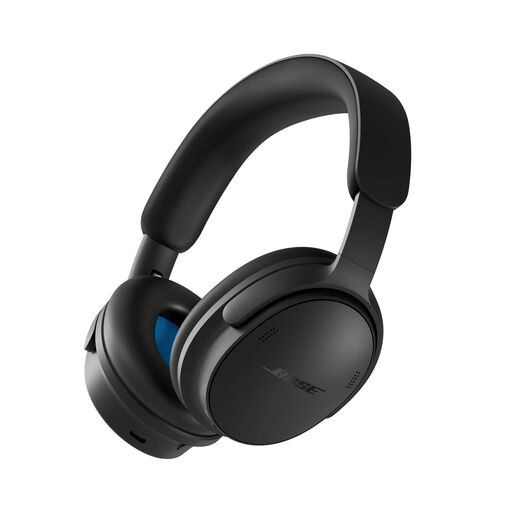 Image unavailable
The description mentions Quiet Mode with noise cancellation and a wired USB audio option; check that the connection works with your recording equipment.
 Image unavailable
The description lists noise cancellation, Bluetooth 5.3 and an audio cable included. If you’re monitoring live, test whether the wired listening option meets your timing needs.
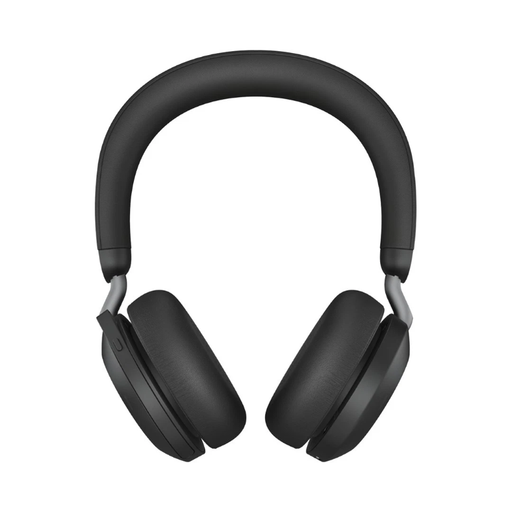 Image unavailable
The description mentions active noise cancellation, Bluetooth and a wired USB-C connection; check that USB-C works with the headphone output on your equipment.
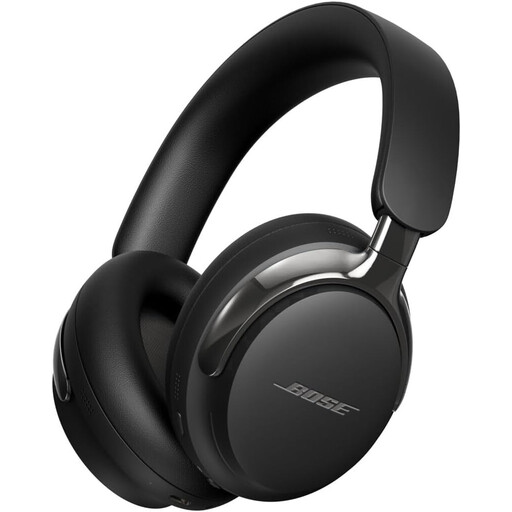 Image unavailable
The description lists active noise cancellation, Bluetooth 5.4 and a detachable cable with USB-C and 3.5mm connections. The headphones are supplied without a charger.
If you hear your own singing live, a wired connection removes the Bluetooth link from the listening path. Check your interface or software monitoring too; Ableton’s latency information for Note isn’t a measurement for every device. If you’re only playing the backing track and don’t hear yourself live, that delay matters less.
First check whether the output needs a 3.5mm or 6.3mm plug. The HD 280 PRO, DT 770 PRO 80 ohms and K271 MKII, among others, are listed with a 3.5mm connection and a 6.3mm adapter; check which accessories are included with the exact version you’re buying.
Choose ear pads that fit you well, and don’t turn up the volume just to drown out household noise. VeiligheidNL advises choosing headphones that block out background noise effectively and using a volume limiter where available; this isn’t a guarantee of safety for any particular model.
ACM ConsuWijzer states that online purchases have a 14-day cooling-off period from delivery; legal exceptions may apply. If a product doesn’t meet what you could reasonably expect under normal use, the seller is responsible for offering an appropriate solution.