Choose headphones that play audio from your course app via Bluetooth and feel comfortable in your usual sleeping position. Then compare battery life in the relevant mode, whether you can set the audio to stop at a certain time, and how much sound they block out. A tighter seal or ANC isn’t automatically more comfortable than a more breathable fit. For example, Soundcore EU describes different tip options for the Sleep A20, offering a choice between a tighter seal and greater airflow.
Who this choice is for
Course listener using their own app
You want to listen to a spoken lesson from an app on your phone, so check that the headphones support Bluetooth streaming rather than just offering built-in sleep sounds. Soundcore EU and Ozlo both describe options for streaming your own audio.
Side sleeper looking to avoid pressure
You want to lie down without an earbud or speaker pressing against your ear. Low-profile in-ear headphones and a headband with speakers offer different fits. SoundGuys praises the Soundcore Sleep A20’s comfort for side sleepers, but also notes limitations in sound quality and the lack of ANC.
Listener in a noisy bedroom
You want to follow the lesson without constantly turning up the volume. Compare sealing tips, sound masking and ANC, and consider what feels comfortable in your bedroom. The WHO highlights that both sound level and listening time matter.
What to consider when choosing
First, check that the headphones work with your course app. Then choose a fit and playback settings that suit your bed and how long you plan to listen.
| What to consider |
What should you check? |
Who is this important for? |
| Playing your own course |
Check that the headphones support Bluetooth streaming from your device, and test the specific course app. |
If I want to follow a lesson from an app on my phone, its audio needs to stream properly. Around 36% of consumers prioritise playing their own course. |
| Comfort when lying down |
Check the profile of the earbuds or the position of the speakers, and see how the fit feels in your usual sleeping position. |
If I sleep on my side, I don’t want an earbud or speaker pressing hard against my ear on the pillow. Around 29% of consumers prioritise a pressure-free fit. |
| Timer and battery life |
Check whether your player or app has a timer, and compare battery life in the exact mode you’ll use to play the lesson. |
If I only want to listen while I’m falling asleep, I don’t want the lesson to keep playing unnecessarily. Around 21% of consumers prioritise controlling playback time. |
| Background noise |
Compare passive noise isolation, more breathable tips and ANC only if noise in your bedroom bothers you. Start at a low volume; the WHO points out that both sound level and listening time matter. |
If background noise distracts me from the course, I want to know which type of noise reduction suits me. Around 14% of consumers prioritise managing background noise. |
Pitfalls when buying headphones for sleep audio
-
Assuming the longest battery life applies to Bluetooth listening
Claimed battery life can vary between playback modes. Soundcore EU lists 10 hours in Bluetooth mode and 14 hours in sleep mode for the Sleep A20.
Compare battery life in the mode you’ll use to play your own course.
-
Confusing built-in sleep sounds with course audio
A sleep library alone doesn’t tell you whether the headphones can play audio from an external course app.
Check that they support Bluetooth streaming from your device, and test the course app before relying on the built-in sounds.
-
Assuming you can always return in-ear headphones once worn
The ACM notes an exception to the statutory cooling-off period for certain hygiene products that have been unsealed.
Before opening the packaging, check the returns information and how the exception applies to the product you’ve chosen.
Brands to consider
Soundcore
The Sleep A20 and Sleep A30 are different in-ear designs made for sleep: the A20 offers passive noise isolation, while the A30 has ANC.
- Soundcore EU describes Bluetooth streaming and both sealing and more breathable tips for the A20. In an independent review, SoundGuys highlights its comfort for side sleepers.
- SoundGuys also notes limitations in the A20’s sound quality and its lack of ANC. The extra noise-reduction features Soundcore describes for the A30 don’t, by themselves, tell you whether it will fit comfortably against your pillow.
Ozlo
Ozlo describes Sleepbuds 2 as compact sleep earbuds for your own audio and built-in sleep sounds.
- Ozlo mentions streaming your own audio and a low-profile design for side sleeping.
- The noise-reduction approach described is passive isolation and sound masking, not ANC. Ozlo says the battery life of up to 14 hours was measured under its own test conditions.
SnoozeBand
SnoozeBand describes Bluetooth headbands and sleep masks with speakers as an alternative to wearing something in your ear canal.
- The manufacturer mentions Bluetooth playback for content such as podcasts.
- The position of the speakers against your pillow, as well as how heat and pressure are distributed, can vary by design and wearer.
Philips
The TAN7808GY/00 is a historical example of sleep earbuds, not an indication that it’s currently available to buy.
- Philips lists a low-profile fit and audio that fades out automatically for this model.
- Philips Netherlands says production of the TAN7808GY/00 has ended.
Joybuy products for listening to a course before bed
This selection includes Bluetooth options for listening to course audio, from in-ear headphones to headband and neckband styles.
 No image available
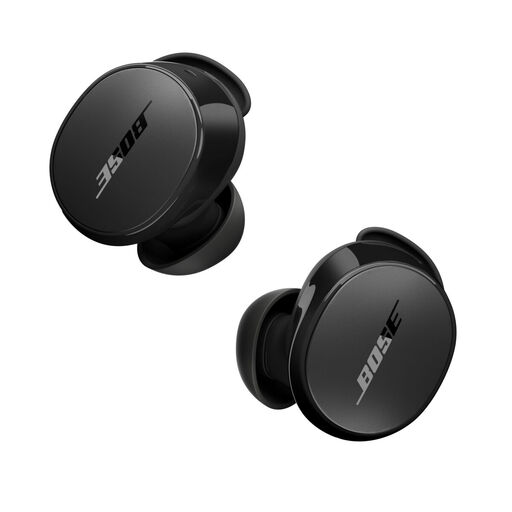
Bose QuietComfort Earbuds Black
Suitable if you want to play course audio via Bluetooth and are also looking for active noise cancellation and an Aware mode.
The product description lists up to 8.5 hours of battery life and playback and pause controls.
View at Joybuy
 No image available
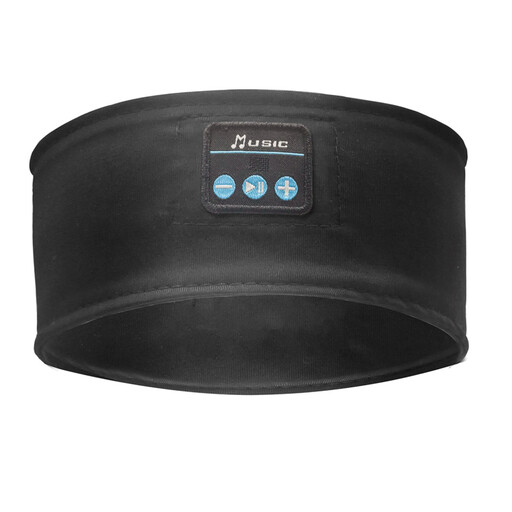
Elastic Bluetooth headband with speakers
An option if you’d rather not wear earbuds in your ear canal and want to play audio from a Bluetooth device.
The product description lists Bluetooth 5.0, built-in speakers and streaming for podcasts and music. The title specifies acrylic and polyester.
View at Joybuy
 No image available
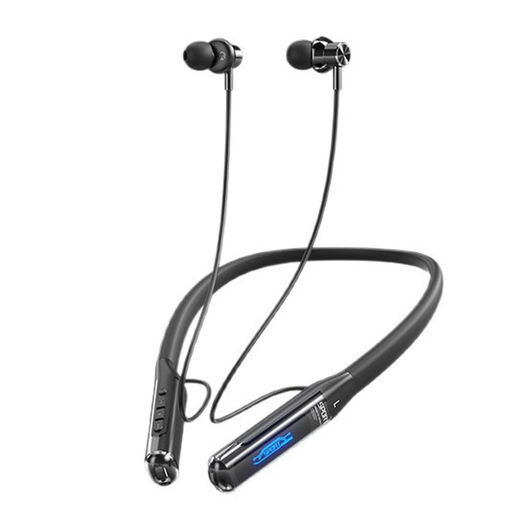
Bluetooth neckband headphones, 1800 mAh, Bluetooth 5.4, black
A good fit if you want to listen to course audio from a Bluetooth source and prefer a neckband design.
The product title lists an 1800 mAh battery, Bluetooth 5.4, an LED battery display, ENC noise cancellation and USB-C charging.
View at Joybuy
Frequently asked questions
Can you listen to any audio course on your phone with sleep earbuds?
Not necessarily: check that the earbuds support Bluetooth streaming and test the course app on your phone. Soundcore EU lists streaming for the Sleep A20, while Ozlo describes streaming your own audio with Sleepbuds.
How should you set up listening before bed?
Keep the volume low and check whether your course player or device has a sleep timer. Also compare battery life in the mode you’ll actually use to play the lesson: Soundcore EU lists different battery life for the Sleep A20 in Bluetooth and sleep modes.
What about returns and warranty for sleep earbuds?
Online purchases usually come with a statutory 14-day cooling-off period, but ACM ConsuWijzer notes an exception for certain hygiene products that have been unsealed. Check how the exception applies to the product you’ve chosen. This is separate from your rights if a product is faulty or doesn’t match the contract. The Dutch government says the retailer is your point of contact in these cases and notes that there is no fixed statutory warranty period in the Netherlands.
What rules apply to wireless sleep headphones in the Netherlands?
The Dutch Authority for Digital Infrastructure explains that manufacturers, importers and sellers of radio equipment must meet the applicable European requirements. It also states that the required CE marking must be on the equipment, so check this on the specific product.
What’s a sensible volume for a long course?
Keep the volume low and consider both the sound level and how long you listen. The WHO gives 80 dB for up to 40 hours a week as an example of exposure; this isn’t a guarantee for every individual and doesn’t correspond directly to your phone’s volume setting.


